Across the global hospitality industry, meaningful change is no longer theoretical. It is visible in kitchens, on menus, and in the way businesses operate. Pioneering chefs are rethinking what responsible cooking looks like, while larger hospitality groups are embedding stronger CSR commitments into everyday decision-making. Together, these shifts are setting a clearer direction for the sector, one that prioritises long-term impact over short-term gains.
Looking ahead to 2026, several themes are coming into focus. Fibre is set to become the dominant wellness trend, low-ABV drinks are moving into the mainstream, and formal luxury continues to give way to more relaxed, accessible dining experiences. At the same time, single-use plastics are becoming increasingly unacceptable, and chefs are pushing back against homogenised global menus in favour of terroir-driven, hyper-local cooking. Perhaps most notably, collaboration is beginning to replace competition, allowing good ideas and responsible practices to spread more quickly across borders.
Fibre is emerging as the new protein as diners become more aware of digestive health and increasingly wary of ultra-processed foods. Restaurants are responding with gut-friendly, fibre-rich dishes built around real ingredients rather than supplements or substitutes. As customers seek healthier options and operators look to protect margins, menus are increasingly combining smaller amounts of meat with plant-based proteins. This approach blurs the traditional line between carnivore and vegetarian dining, creating dishes that feel balanced rather than restrictive.
Drinks culture is also shifting. Low-ABV options are gaining ground as more people look for flavour and sociability without excess. Some diners are alternating alcoholic and non-alcoholic drinks throughout the evening, and menus are evolving to support that behaviour. In 2026, drinks lists are expected to feature more sessionable cocktails, wines, and beers, using local flavours, zero-waste garnishes made from kitchen by-products, and fermented ingredients such as kombucha or water kefir to keep things interesting.
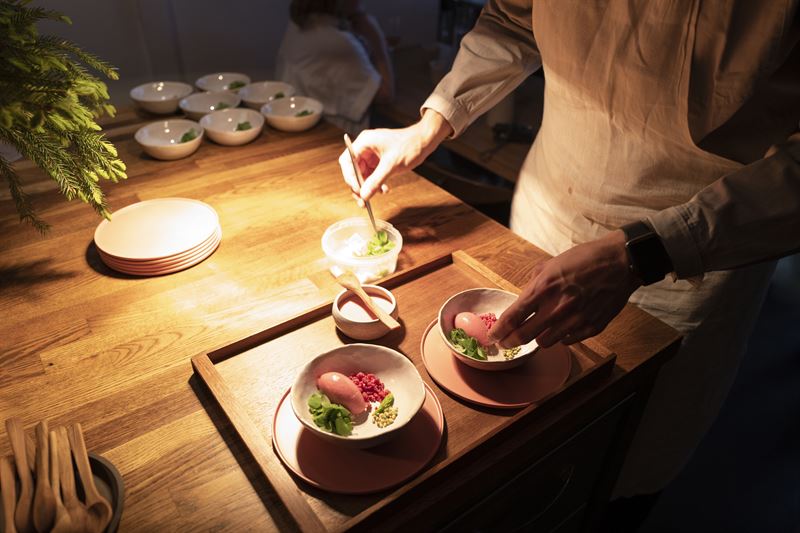
Portion size is another area of change. The growing use of GLP-1 medications is influencing how people approach eating out, driving demand for smaller, nutrient-dense portions that still deliver creativity and indulgence. Restaurants are responding with flexible portion sizes and refined small plates, allowing guests to enjoy varied experiences that align more closely with appetite and personal health goals.
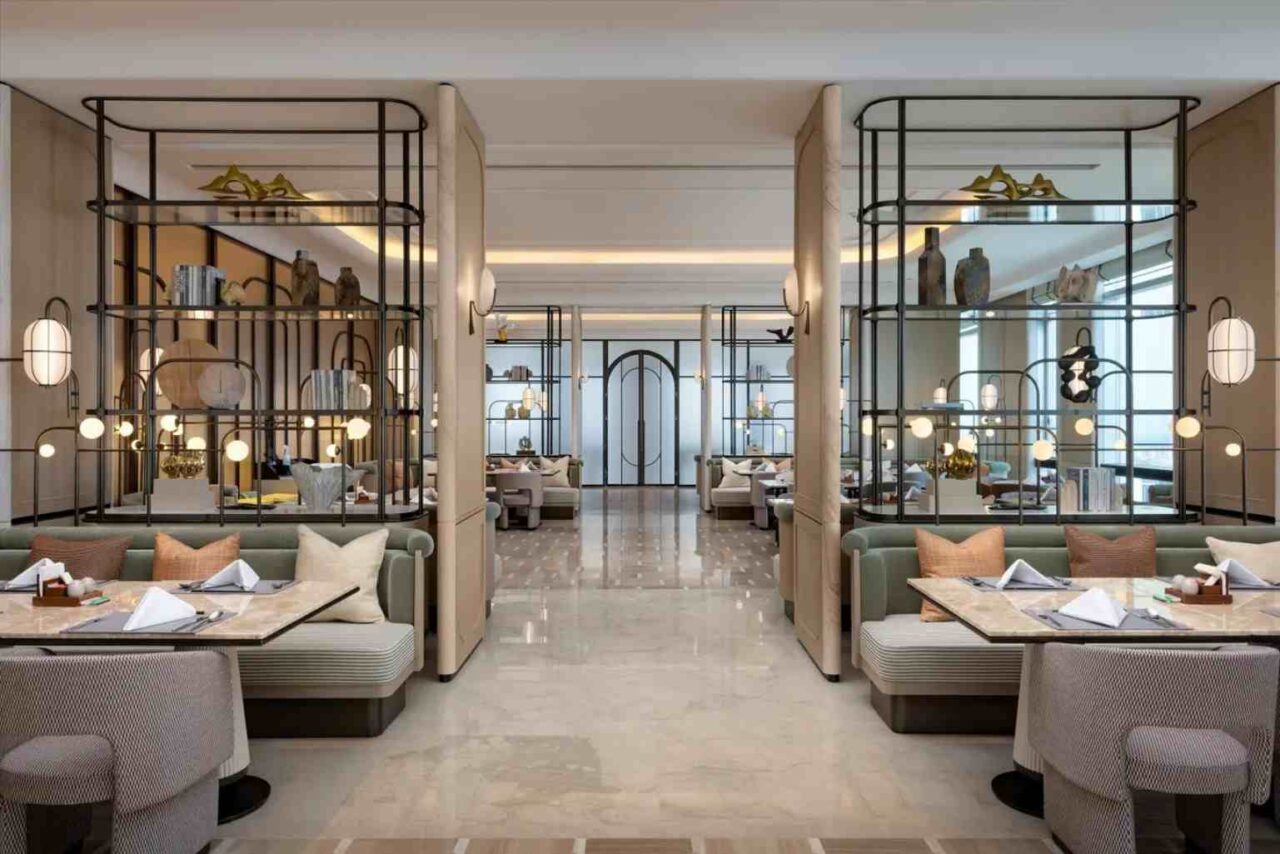
Comfort food is also undergoing a quiet reinvention. Even in high-end restaurants, diners are gravitating toward familiar dishes made with care, quality ingredients, and a creative edge. Industry research suggests that luxury is no longer defined by formality. Instead, bold flavours and relaxed settings are taking precedence, with a majority of Asia-Pacific diners now favouring casual dining over traditional tasting menus.
Sustainability expectations continue to harden. Single-use plastics, once positioned as a differentiator when removed, are now widely seen as unacceptable. Tightening legislation and shifting consumer attitudes are pushing hospitality businesses toward biodegradable alternatives and reusable systems. Operators adopting circular reuse models are not only staying ahead of regulation but also reducing costs and meeting increasingly firm guest expectations.
Transparency is becoming critical in seafood sourcing. Long criticised for its opacity, seafood supply chains are under greater scrutiny from both chefs and diners. In 2026, menus are expected to showcase a wider range of species, moving away from overfished staples. Restaurants that clearly communicate where seafood comes from, how it is caught, and who is involved in the process are likely to gain trust and loyalty.
At the same time, chefs are reclaiming a sense of place. Years of social media influence have contributed to a global sameness in restaurant menus, but there is now a deliberate move away from that model. More kitchens are embracing native and indigenous ingredients, traditional farming methods, and regional recipes. Diners are responding to authenticity and narrative, and restaurants are weaving local identity into everything from interior design to plating.
Underlying all of these trends is a broader cultural shift within hospitality itself. The global community is more connected than ever, and throughout 2025 there has been a noticeable increase in businesses willing to collaborate, share knowledge, and support one another. As competition gives way to cooperation, good practices are spreading faster, creating a ripple effect that benefits the entire sector as it moves into 2026.