
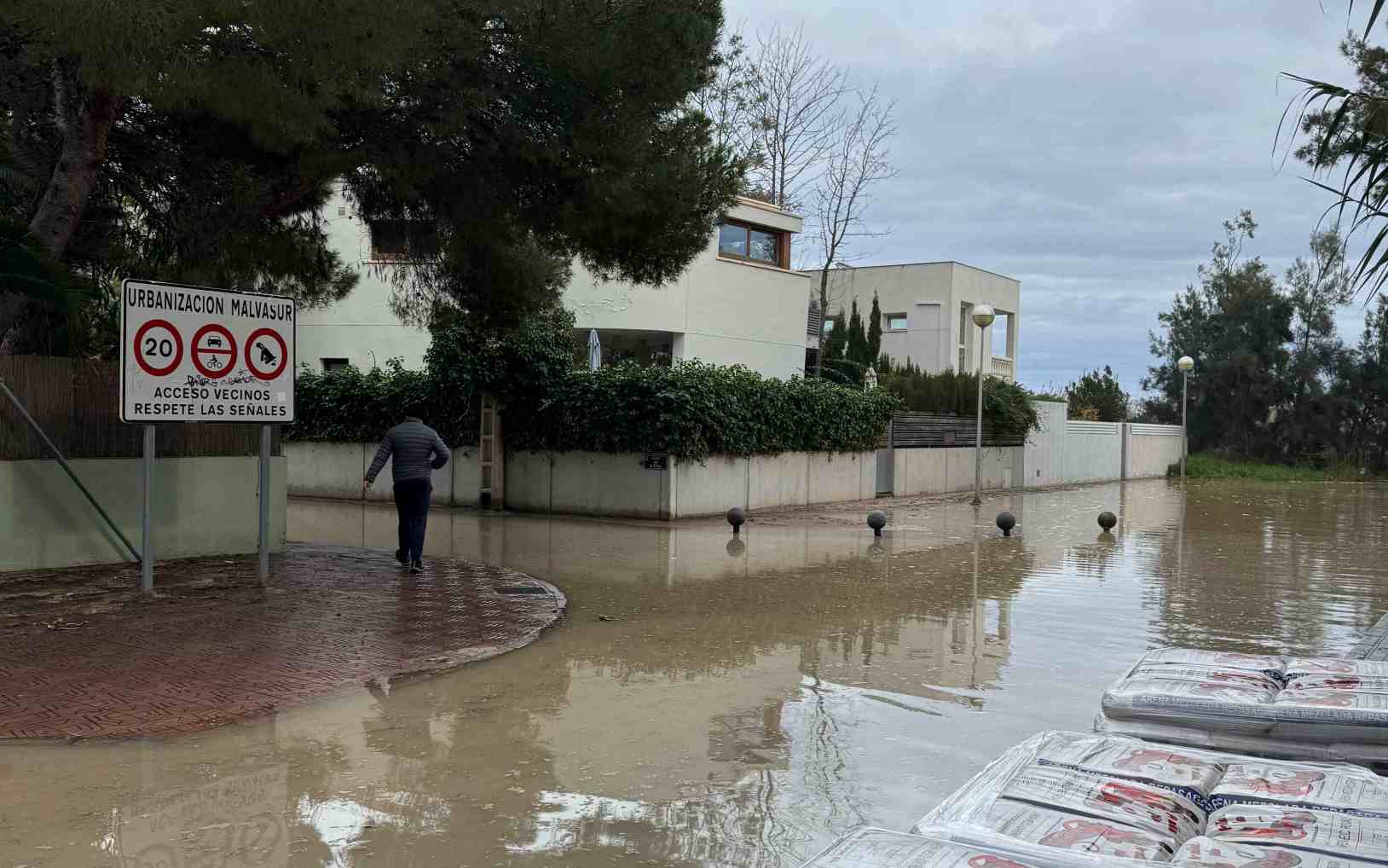
Storm Harry has swept across the central and western Mediterranean, battering coastlines from Malta to Spain and southern Italy, bringing violent winds, powerful storm surges and disruptive winter weather inland.
In Malta, residents woke on Tuesday to fallen trees, damaged buildings and flooded coastal areas after strong winds and high waves struck the islands overnight. Coastal localities including Marsascala, Sliema and Birżebbuġa were among the worst affected, with seawater inundating promenades and roads along the shoreline.
The storm also hit the Aeolian Islands north of Sicily. On the island of Lipari, storm surges sent waves crashing onto the seafront, flooding streets and causing widespread disruption. Italy’s public broadcaster Rai News reported wind gusts exceeding 120 km/h in exposed coastal areas.
Barcelona is facing the most critical phase of the storm. The Barcelona City Council has activated its maximum alert level after waves reaching up to seven metres battered the seafront. Police and port authorities have sealed off all access to beaches from Barceloneta to the Forum bathing area due to dangerous sea conditions.
Marine scientists warn that the impact goes beyond the dramatic images of waves breaking over sea walls. Experts from the Institut de Ciències del Mar say storms of this intensity are particularly damaging for Barcelona’s coastline, which already loses an estimated 30,000 cubic metres of sand each year. They warn that in just a few hours, Storm Harry may have displaced the equivalent of months of natural erosion, leaving beaches such as Sant Sebastià and Nova Mar Bella highly vulnerable.
According to the Servei Meteorològic de Catalunya, wind gusts along the Barcelona seafront have reached 78 km/h under a level five warning out of six. The combination of strong easterly swells and persistent gregal winds has intensified storm surges, forcing the cancellation of maritime routes between Barcelona and the Balearic Islands.
Further south along the Valencian coast, residents’ associations in Almardà, Corinto and Malvarrosa have warned that seawater entered streets during the early hours of Tuesday, reaching the doors of homes. They say the storm has once again exposed the vulnerability of the coastline after decades of inadequate protection and sediment management.
Inland, Madrid is experiencing one of the harshest winter episodes of the season. Spain’s national weather agency AEMET has issued a yellow warning for snowfall in the Sierra de Madrid, with up to five centimetres of snow expected above 1,200–1,300 metres. Forecasters say the snow line could drop to around 1,000 metres later in the week as a new cold front follows Storm Harry.