Imagine spending the night in a medieval castle, having breakfast in a monastery’s refectory, or watching the sunrise from a fortress tower. In Spain, that’s not fantasy — it’s everyday reality. For nearly a century, the country’s Paradores network of state-run hotels has transformed almost a hundred heritage sites into thriving tourism landmarks.
Today, the chain includes castles, monasteries, palaces, and even modern hotels in scenic locations — all under the management of the Spanish government. More impressively, it’s a profitable enterprise: in 2023, Paradores reported €328 million in revenue and €25 million in profit.
With 29 hotels located in natural parks and 24 in historic city centers, Paradores operates in 11 of Spain’s 15 UNESCO World Heritage cities, all while preserving and restoring the country’s architectural treasures.
How It All Began
The story started in 1910, when the Spanish government sought to develop the nation’s almost non-existent tourism infrastructure. The prime minister commissioned a system of state-owned hotels that would both welcome travelers and enhance Spain’s international image.
The first Parador, Parador de Gredos, opened in 1928, personally endorsed by King Alfonso XIII. Soon after, Parador de Oropesa became the first to open in a historic castle.
Despite setbacks during the Spanish Civil War, which saw several hotels damaged or turned into hospitals, the Franco regime later revived the initiative, and by the 1960s, during Spain’s tourism boom, the network had grown from 40 to 83 hotels.
In the 1980s, Paradores underwent modernization and restructuring, closing outdated properties and raising quality standards.
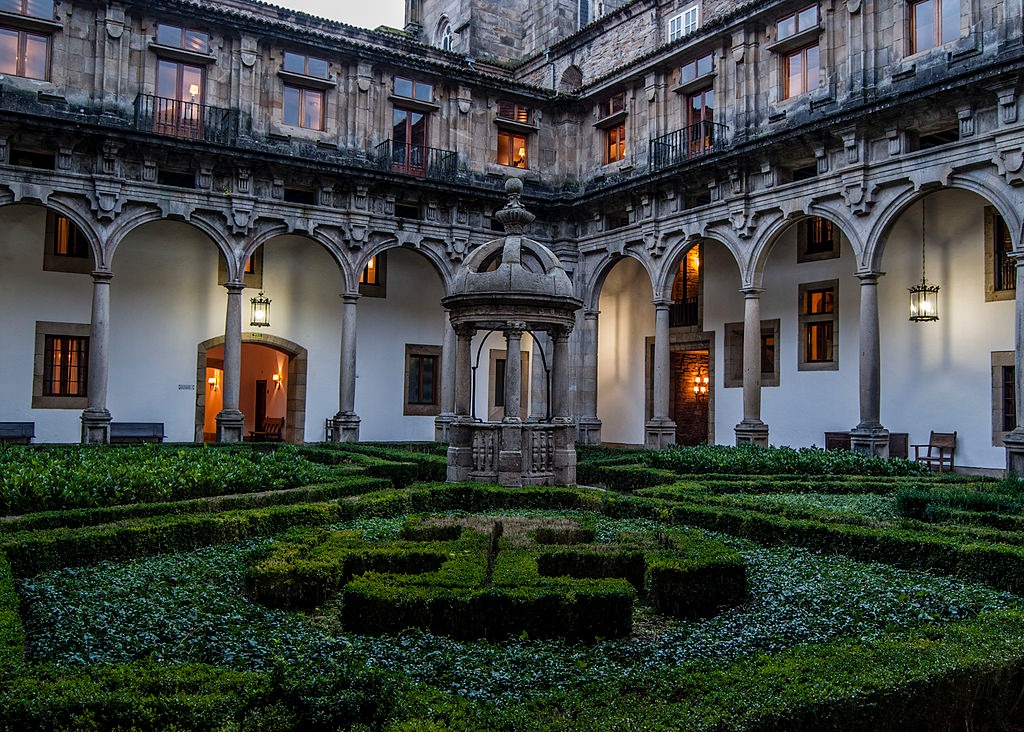
Among its crown jewels is Parador de Santiago de Compostela — considered the oldest continuously operating hotel in Spain, founded in 1499 and still welcoming guests today.
How the Model Works
From the beginning, Paradores has been a state-driven initiative with dual goals: preserving architectural heritage and stimulating tourism. The government took charge of restoration, hotel conversion, and management — ensuring historical buildings didn’t fall into ruin but instead became sources of income and cultural pride.
Initially, operations were leased to private entrepreneurs, but by the 1930s the government assumed full control. Over time, the system evolved into a centralized public company: Paradores de Turismo de España, S.A., established in 1991.
Each Parador is unique — some built from scratch, others fully restored heritage landmarks. The Parador de Úbeda, for instance, became the first complete architectural rehabilitation project of the network in the 1930s, setting a model that blended preservation and modern comfort.
By the 1950s–60s, during Spain’s tourism explosion, many Paradores were expanded or reconstructed, sometimes sacrificing authenticity for comfort. Later decades saw a shift back toward authentic restoration and minimal architectural intervention, balancing heritage and hospitality.
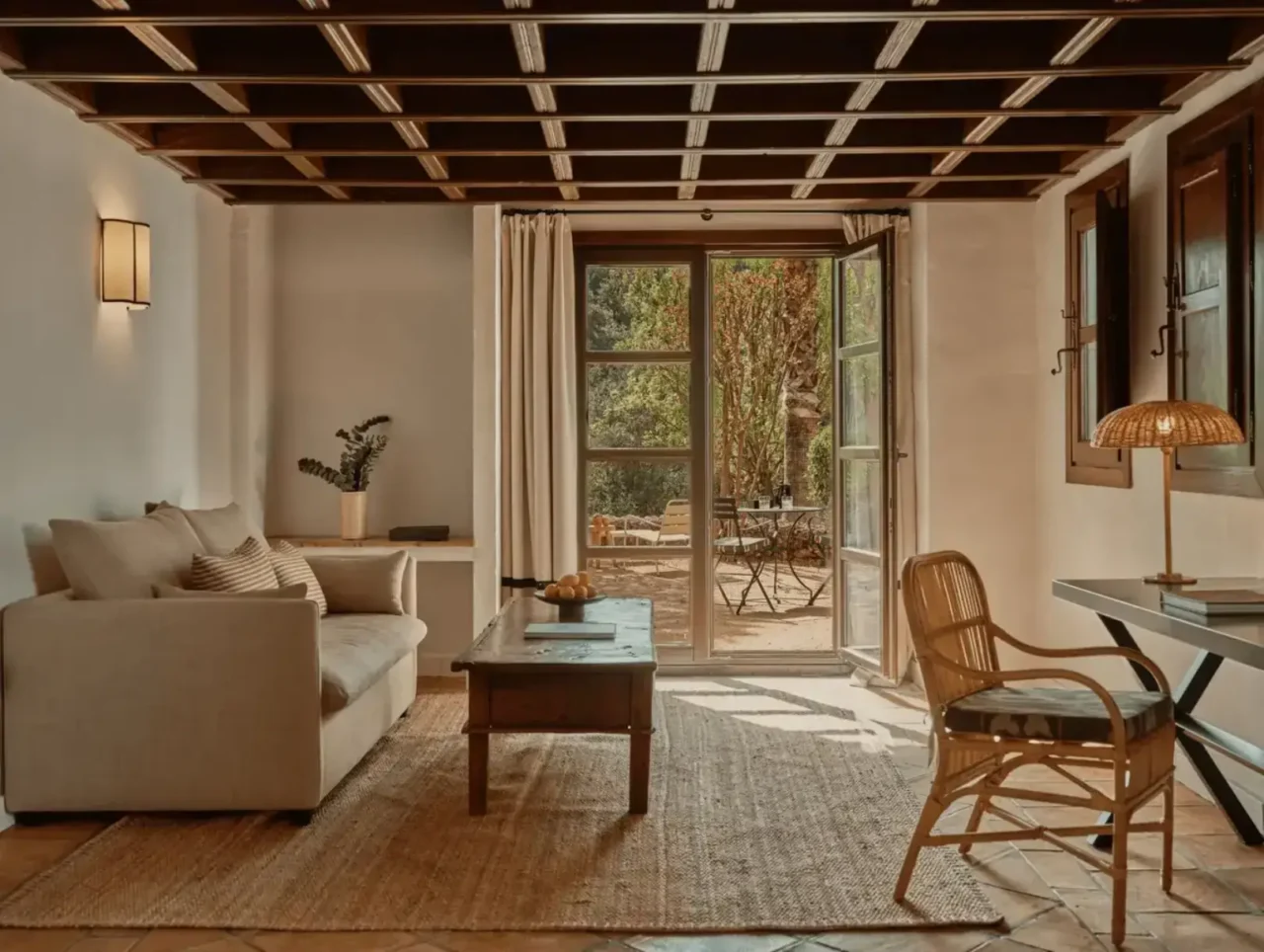
Today, two main styles coexist: the “classic Parador”, emphasizing discreet restoration, and the “new Parador”, showcasing bold contemporary design within historic contexts.
How It Operates Today
Paradores de Turismo de España is 100% state-owned, and the properties themselves belong to the Spanish government. However, the company runs as a commercially autonomous entity, reinvesting profits into restoration and tourism development.
Its dual mission: to be financially sustainable while protecting heritage and supporting regional economies. The network directly employs over 4,000 people and maintains an impressive 71% occupancy rate across its 98 hotels.
In 2023, Paradores achieved record-breaking results — €328 million in revenue and €25 million in net profit. The company continues to receive EU and national funding for heritage restoration, such as the €80 million allocated in 2024 under the NextGenerationEU program.
Each property reflects its local culture through regional cuisine, traditional design, and community-driven events, from wine festivals to craft fairs. Changes to heritage buildings require approval from the Spanish Ministry of Culture, ensuring historical integrity.