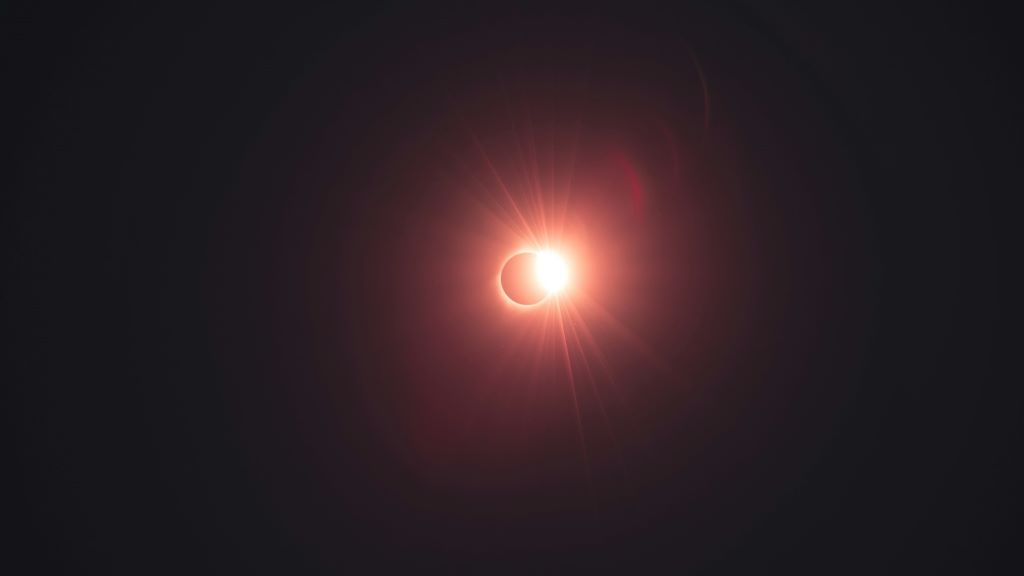
Spain is preparing for an extraordinary series of celestial events that will make it one of the world’s premier destinations for eclipse tourism. Between August 2026 and January 2028, the country will experience two total solar eclipses and one annular “ring of fire” eclipse within just 532 days.
The rare sequence is expected to attract astronomers, photographers and travellers from around the world, making Spain the global centre of eclipse viewing over the next two years.
Total Solar Eclipse Arrives on 12 August 2026
The first event will take place on 12 August 2026, when the Moon’s shadow crosses Greenland, Iceland, northern Spain and a small part of northeastern Portugal before sunset. It will be the first total solar eclipse visible from mainland Europe this century.
In Spain, the path of totality will begin in Galicia before crossing the country toward the Balearic Islands. The eclipse will occur with the Sun low above the western horizon, creating ideal conditions for dramatic photography and landscape viewing.
Areas around León, Burgos and Palencia are considered among the best observation locations thanks to their open landscapes and relatively higher solar elevation during totality.
Perseid Meteor Shower on the Same Night
The astronomical spectacle will continue after sunset, as the annual Perseid meteor shower reaches its peak during the night of 12–13 August.
With the Moon absent from the night sky following the eclipse, viewing conditions for the meteor shower are expected to be exceptionally favourable across the Northern Hemisphere, provided skies remain clear.
Two More Eclipses Follow
Spain’s eclipse sequence will continue on 2 August 2027, when another total solar eclipse crosses the country’s southern regions before continuing across North Africa and the Middle East. The eclipse will reach a maximum duration of six minutes and 22 seconds near Luxor, Egypt, making it one of the longest total solar eclipses of the decade.
The trilogy concludes on 26 January 2028 with an annular solar eclipse, commonly known as a “ring of fire,” which will once again be visible from southern Spain shortly before sunset.
Boost for Eclipse Tourism
The unique combination of three major solar eclipses in less than 18 months is expected to generate significant interest in eclipse tourism, with Spain positioned to welcome thousands of visitors seeking front-row views of one of nature’s rarest spectacles.