The global sea level has risen by around 21 centimeters since 1900, and the rate of increase continues to accelerate. In 2023, the level reached its highest point on record. By 2100, it is expected to rise by 0.28 to 0.55 meters under optimistic scenarios, and up to 1.02 meters in the worst case. The European Environment Agency (EEA) warns that much of Europe’s coastline is at serious risk.
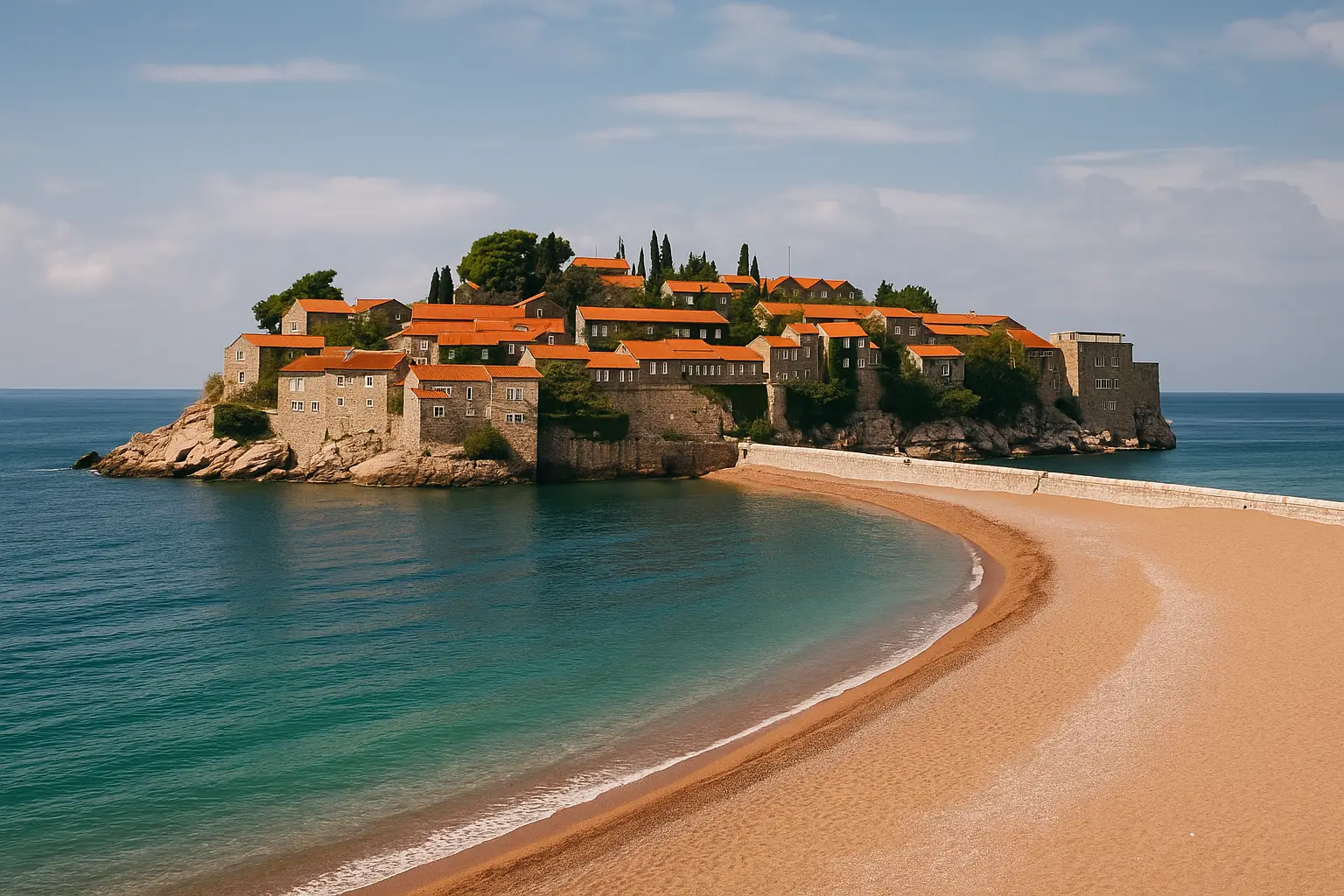
Dutch climate solutions company Reinders Corporation reached similar conclusions in a recent study on coastal erosion and rising sea levels across Europe. Among the continent’s most vulnerable and popular beaches, Montenegro’s Sveti Stefan tops the list. This tiny island resort, linked to the mainland by a narrow isthmus, could lose more than 200 meters of shoreline by the end of the century, effectively erasing its beach.
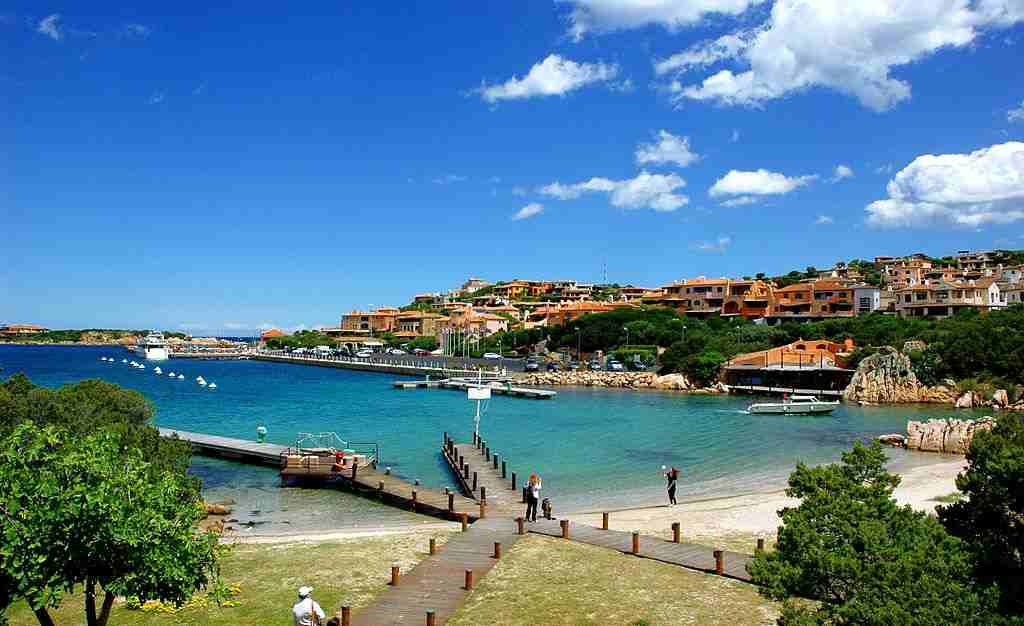
On Italy’s Sardinia, Porto Giunco — often described as a “tropical” Mediterranean paradise — is also at risk. Framed by dunes and rocky capes that protect it from the wind, the beach could lose up to 107 meters of coastline by 2100.
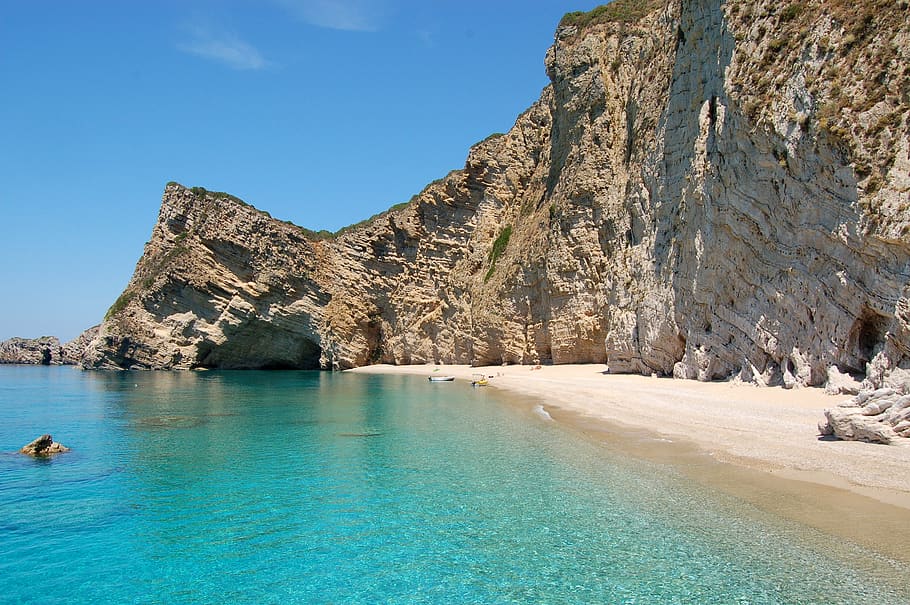
Benagil Beach in Portugal, famous for its sea caves and already struggling with overtourism, ranks third. Erosion could consume nearly 70 meters of sand, prompting authorities to restrict access: boats can no longer dock, and visits to the cave are limited to just two minutes per vessel.
Northern Europe’s hidden gems also at risk
Even the rugged coasts of northern Europe are not immune. Norway’s remote island of Værøy, one of the outermost communities in the Lofoten archipelago, could see its coastline retreat by nearly 60 meters. The island’s hiking trails, which lead to abandoned fishing villages and stunning viewpoints, could face irreversible damage.
In Ireland, Keem Bay on Achill Island — once a shark-fishing site and now a secluded white-sand haven — may lose up to 40 meters of shoreline.
Further north, Iceland’s Reynisfjara, already considered one of the world’s most dangerous beaches, could become even riskier. Known for its black volcanic sand and powerful waves, the beach could lose 35 meters by 2100. Visit Iceland warns tourists never to turn their backs to the ocean, as waves can easily knock visitors off their feet.
Southern Europe’s coastlines under pressure
Even the glamorous French Riviera is not spared. New tsunami warning signs have appeared along the coastline, including near Villefranche-sur-Mer, where erosion at the popular Marinières Beach could claim up to 35 meters of sand.
In Dubrovnik, Croatia, Pasjača Beach — a small golden-sand cove nestled between cliffs — could also vanish, losing about 31 meters of its already narrow strip.
In the United Kingdom, Cornwall’s Kynance Cove is among the most exposed to rising seas. Known for its dramatic cliffs and white sand, it could lose up to 30 meters of beach. At low tide, the cove reveals hidden caves with whimsical Victorian names like “Ladies’ Bathing Pool” and “The Drawing Room.”
Closing the top ten most endangered beaches is Anse de l’Argent Faux, located in Antibes’ so-called “Bay of Billionaires.” Despite its popularity, locals say it remains one of the wildest stretches of the Côte d’Azur. By 2100, it could lose 28 meters of shoreline.
“We can’t stop the sea,” say scientists
Can the rise in sea levels be stopped? “In short — no,” says Giorgio Budillon, professor of oceanography and atmospheric physics at the University of Naples Parthenope.
According to Budillon, halting sea-level rise is impossible due to the planet’s climatic inertia. The best response is adaptation through sustainable “soft” measures, such as beach nourishment, wetland restoration, and seagrass meadow recovery — all of which require significant time and investment.
“Hard” coastal defenses like seawalls and breakwaters often create new problems by altering natural sediment flow. Yet the most difficult challenge, Budillon adds, is not funding but tourism. Closing beaches to allow for regeneration is nearly impossible at Europe’s most popular destinations, where crowds still flock every summer.