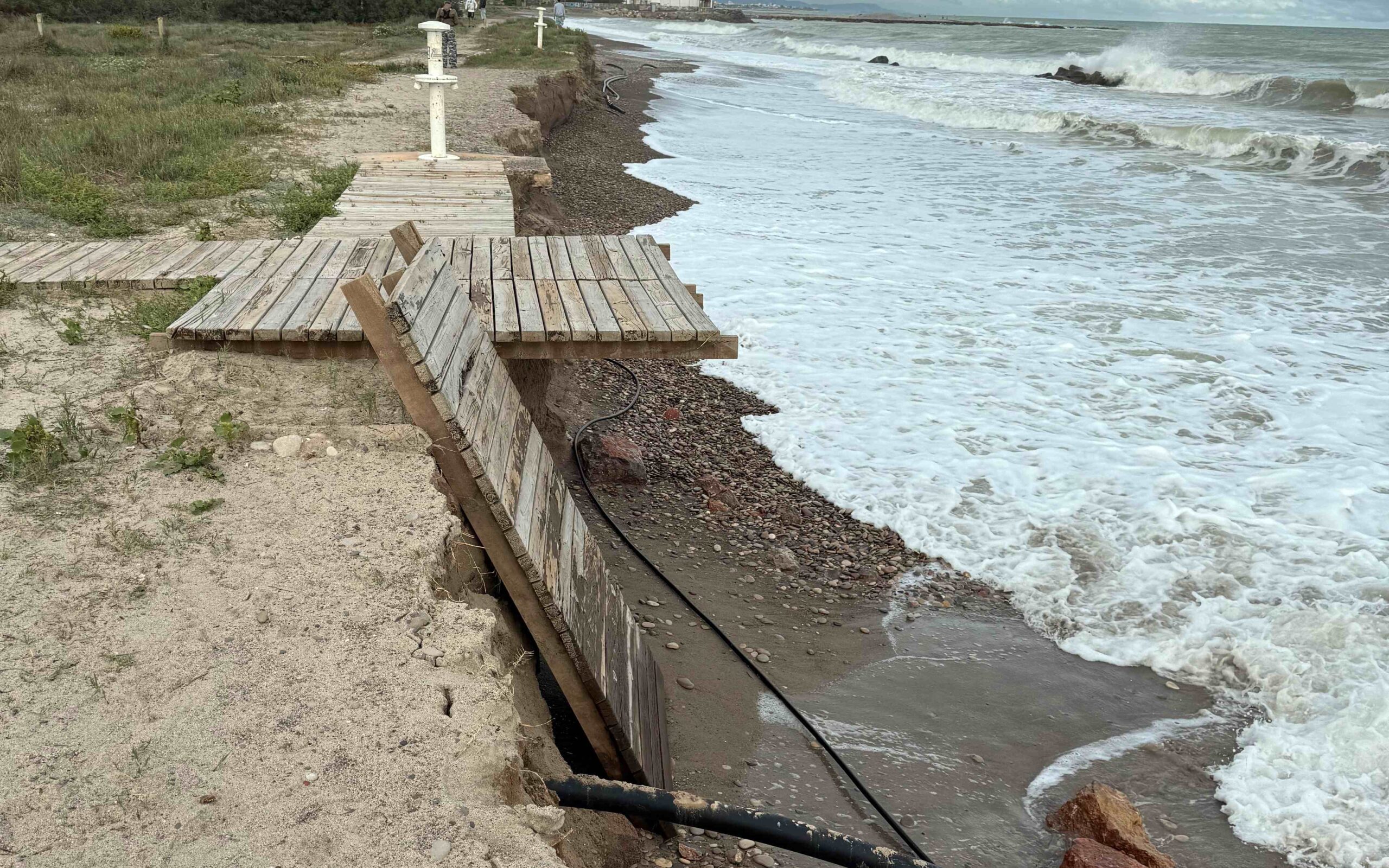
In the wake of recent storms that swept across the Mediterranean, Europe’s coastal cities are being forced to face an uncomfortable reality: the seas are rising, the weather is changing, and the pace of adaptation may no longer be fast enough. Storm Alice, which caused heavy flooding and beach erosion in Spain’s Valencia region earlier this month, is only the latest reminder that the Mediterranean’s beauty is also its vulnerability.
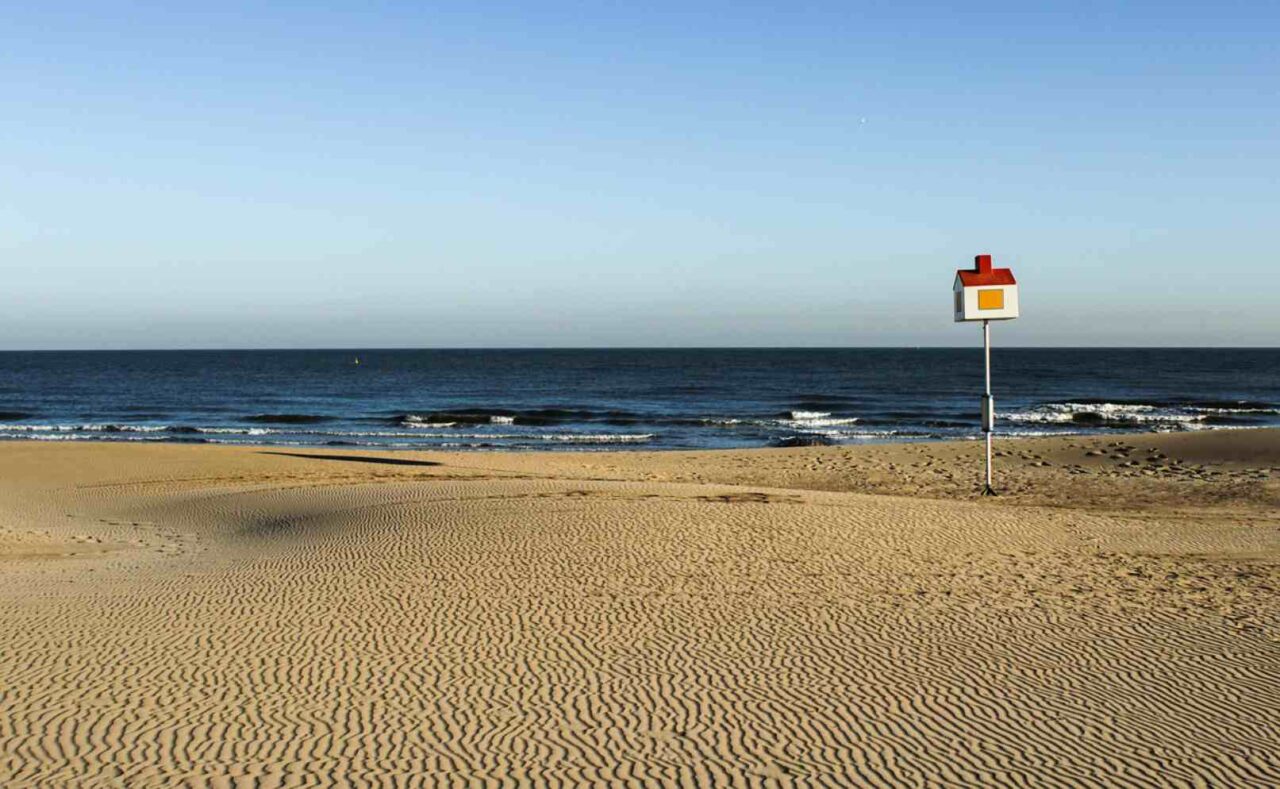
According to AEMET, Spain’s national meteorological agency, the storm brought more than 100 millimetres of rainfall within hours, triggering flash floods that submerged streets and closed airports in Valencia and Ibiza. Strong waves eroded several beaches near the city, stripping away sand and damaging local infrastructure. Local beach restoration along the Valencian coast could take months, with sections of El Saler and Pinedo still undergoing cleanup.
Scientists have been warning for years that this type of extreme weather will become more frequent. The European Environment Agency (EEA) notes that Mediterranean countries are now experiencing higher rates of sea-level rise and more intense coastal storms than most other regions in Europe. For Spain, Italy, and Greece, that means a growing risk not only to tourism, but also to the cultural and economic life that thrives along their shores.
Venice, which has long been at the centre of Europe’s fight against flooding, continues to fine-tune its MOSE barrier system. The project, which was activated in 2023, has protected the city from record tides but remains controversial due to maintenance costs and environmental concerns. In Italy’s Ligurian coast and southern France, city planners are turning to “soft engineering” – rebuilding dunes and wetlands instead of walls – as recommended by the European Commission’s Joint Research Centre in its 2024 report on coastal resilience.
Further north, the Netherlands remains a model of adaptation. The Dutch government invests nearly €1.5 billion annually in coastal and river protection, according to Rijkswaterstaat, the agency responsible for water management. Amsterdam, Rotterdam, and the Hague have transformed climate defence into urban design, integrating flood barriers with parks, walkways and even art installations. These efforts have inspired similar projects in Hamburg and Copenhagen, where new waterfront districts are designed to flood safely rather than resist water altogether.
For southern Europe, the challenge is different: balancing preservation with tourism. In Valencia, parts of the Albufera Natural Park are being reinforced with dunes and native vegetation to absorb storm energy. Along the French Riviera, local councils are investing in beach nourishment projects to rebuild eroded coastlines ahead of the 2026 tourist season. Meanwhile, Greece’s Cyclades islands are testing early-warning systems for flash floods and coastal surges, supported by the Hellenic National Meteorological Service and EU funding.
The tourism sector is watching closely. A World Travel & Tourism Council (WTTC) report published earlier this year estimated that coastal degradation could cost Mediterranean destinations up to €5 billion annually by 2030 if adaptation lags. Yet there are signs of progress. Several hotel groups, including Meliá Hotels International and Accor, have pledged to integrate climate resilience into new seaside developments, using elevated foundations and restoring dunes as part of resort design.
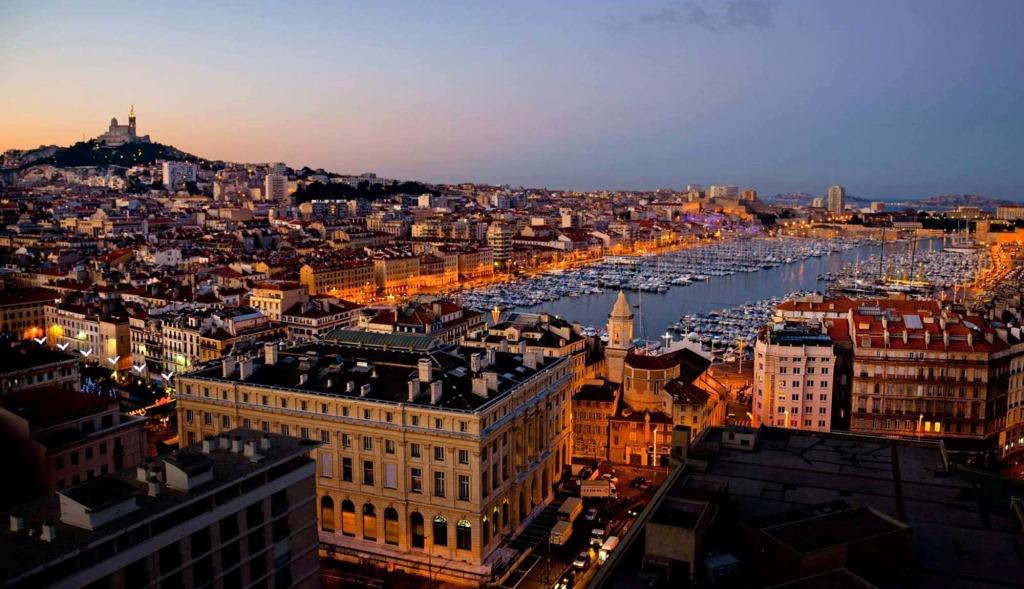
What’s happening now across Europe’s coasts is not just environmental planning – it’s cultural preservation. Cities like Valencia, Venice, and Marseille are being forced to protect not only their infrastructure, but their identity as seaside communities. As climate scientist Maria Siccardi told Euronews, “The sea has always been Europe’s greatest connector. Now it is becoming its greatest test.”
Europe’s coastal future will depend on how quickly it learns to live with water rather than fight it. For travellers, that may mean a changing landscape – wider dunes, wilder beaches, and waterfronts reimagined for resilience. The Mediterranean has always evolved with time and tide; this time, it’s learning to adapt on human terms.