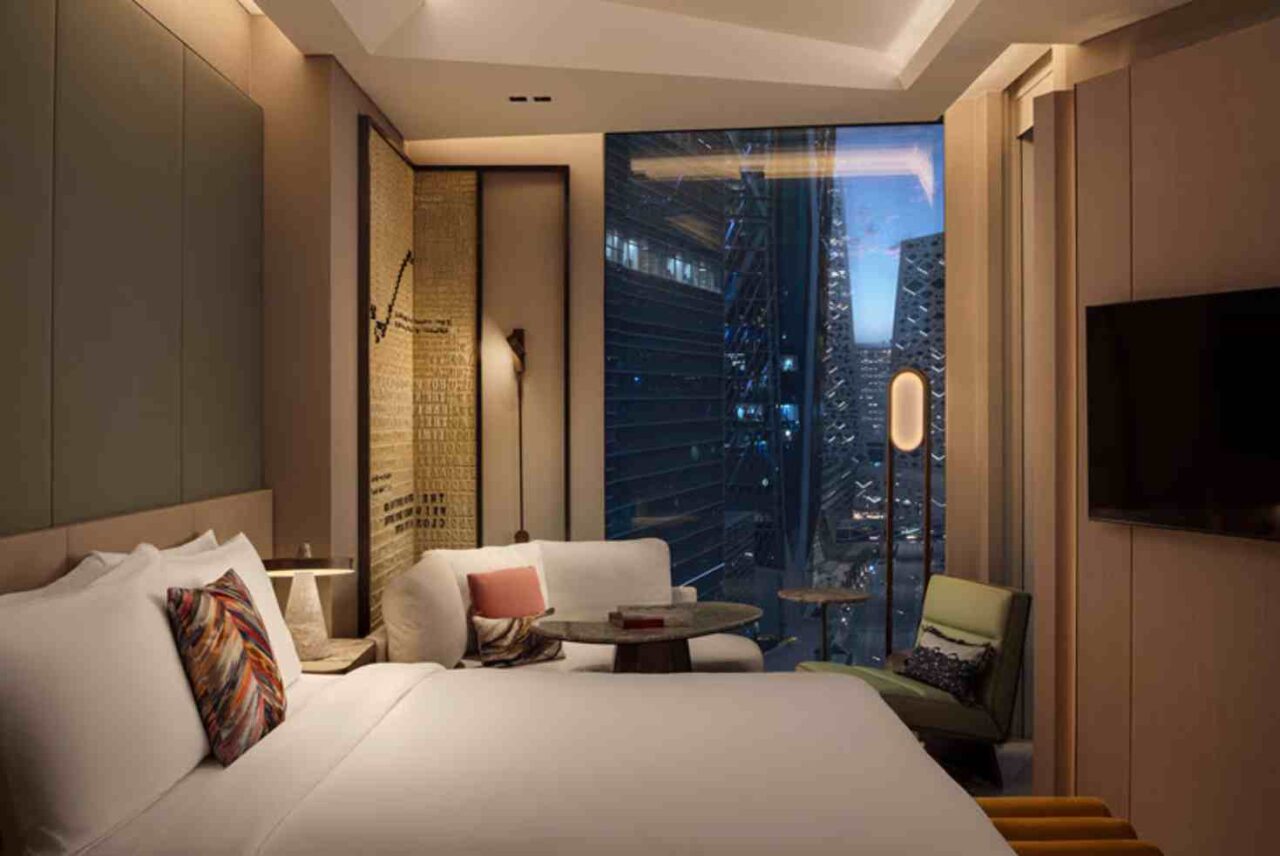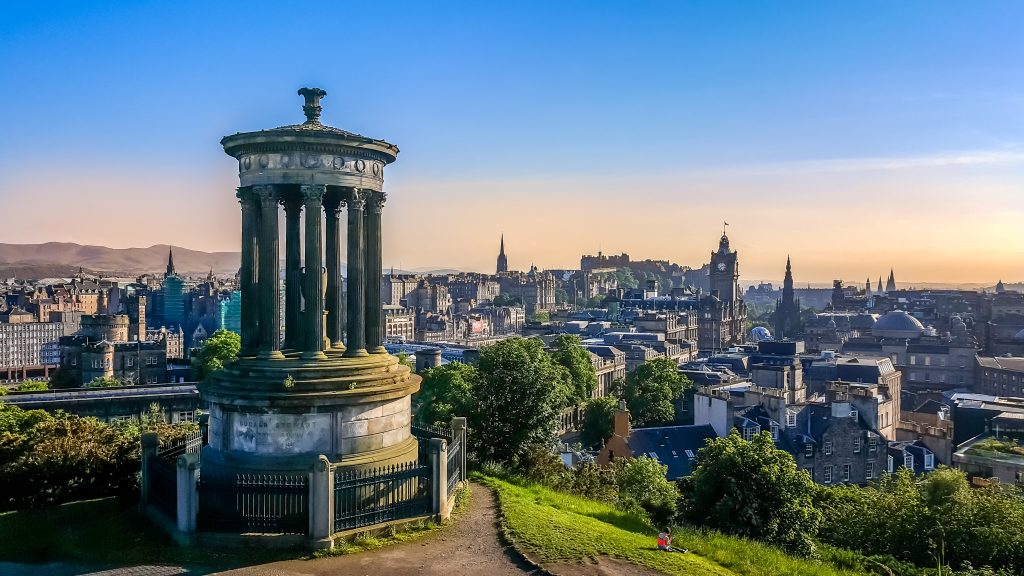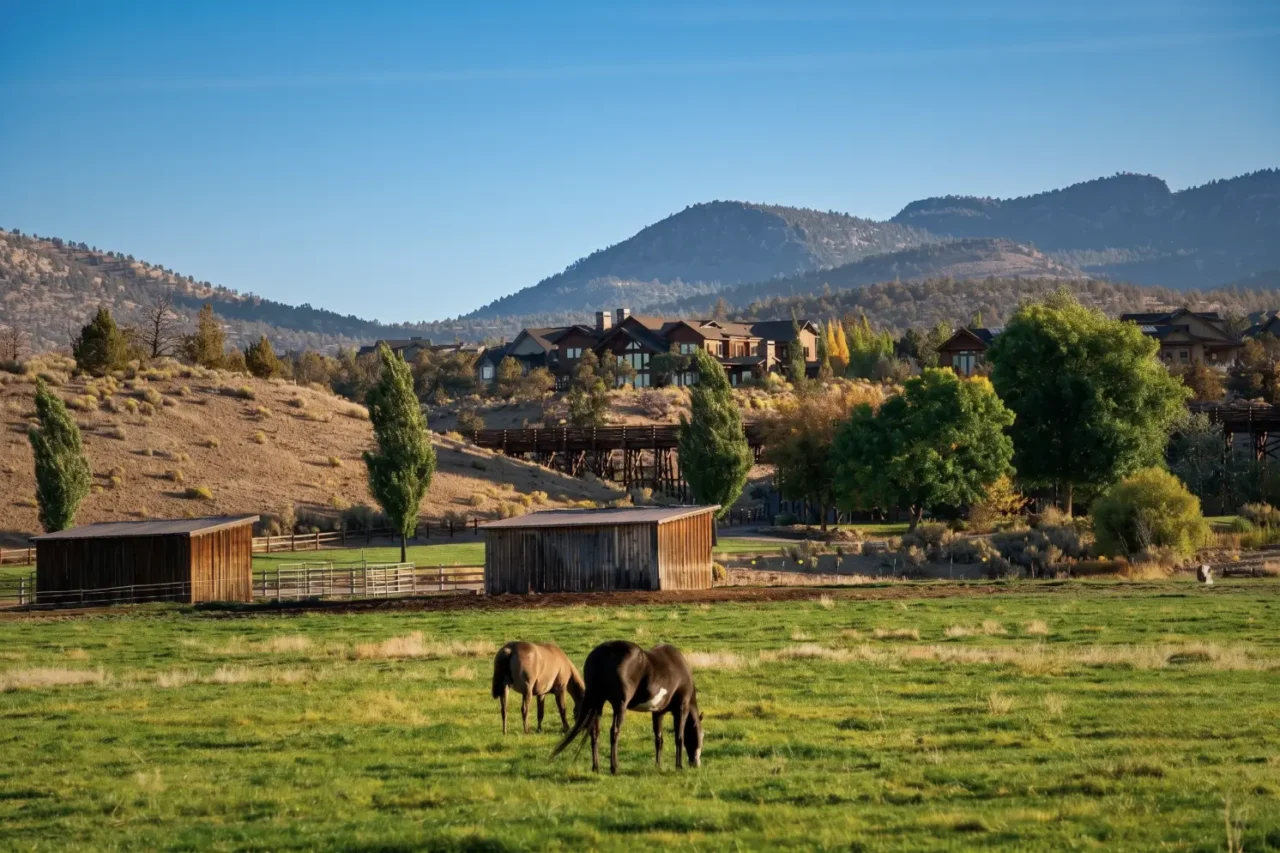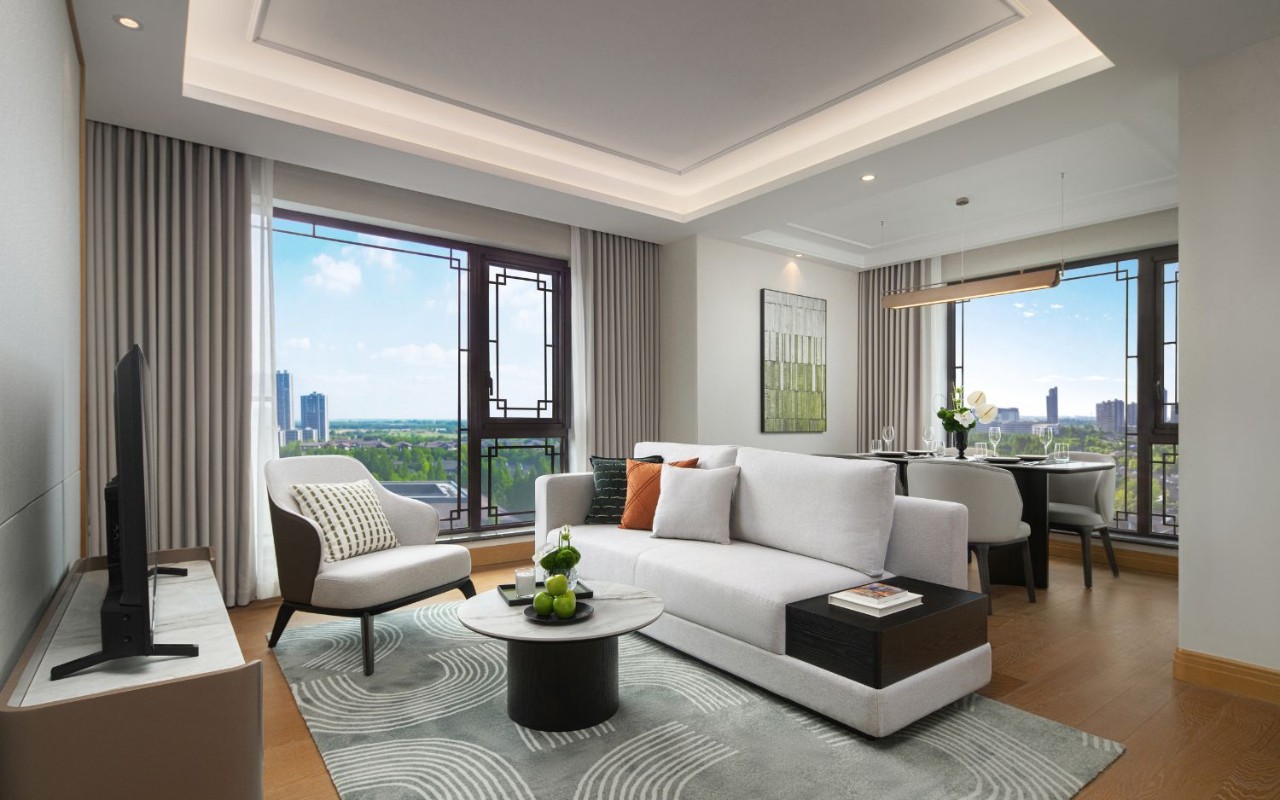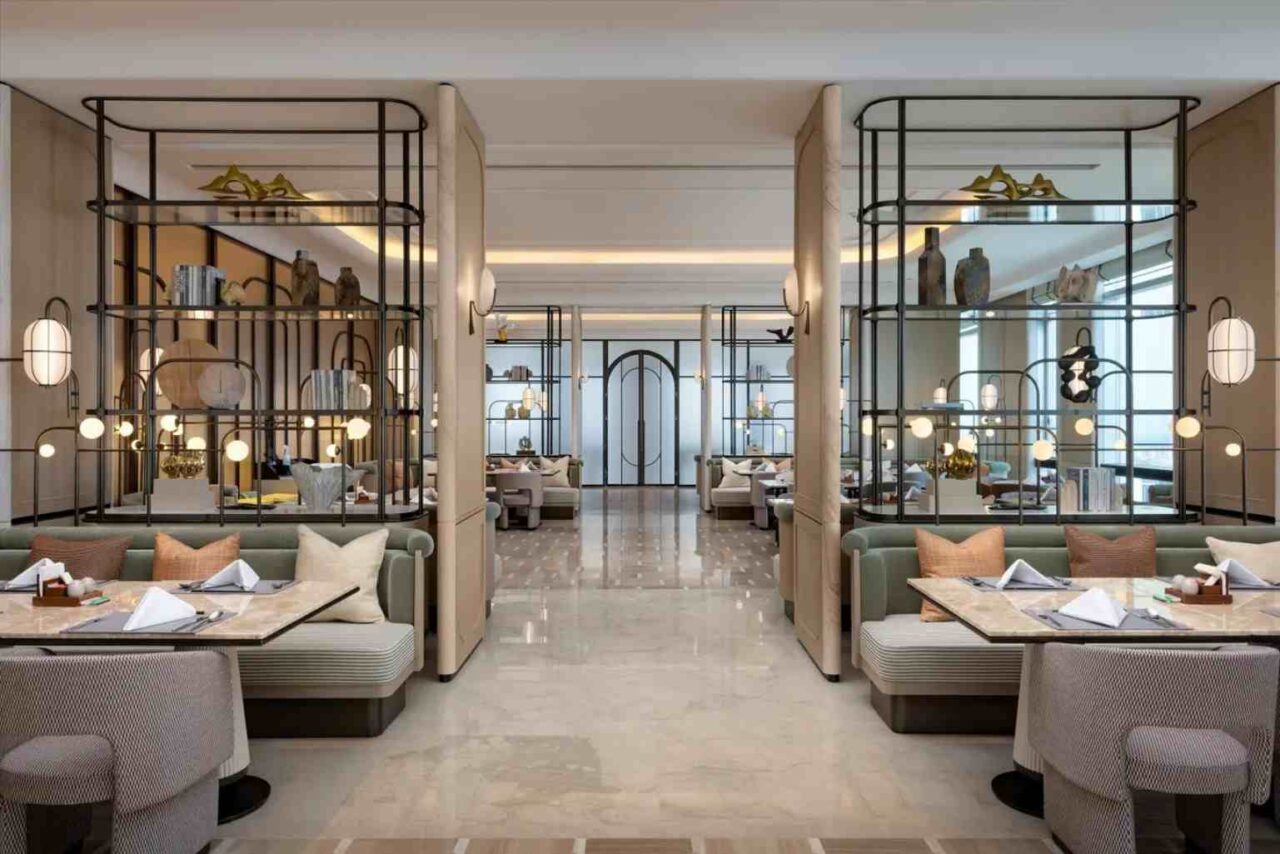
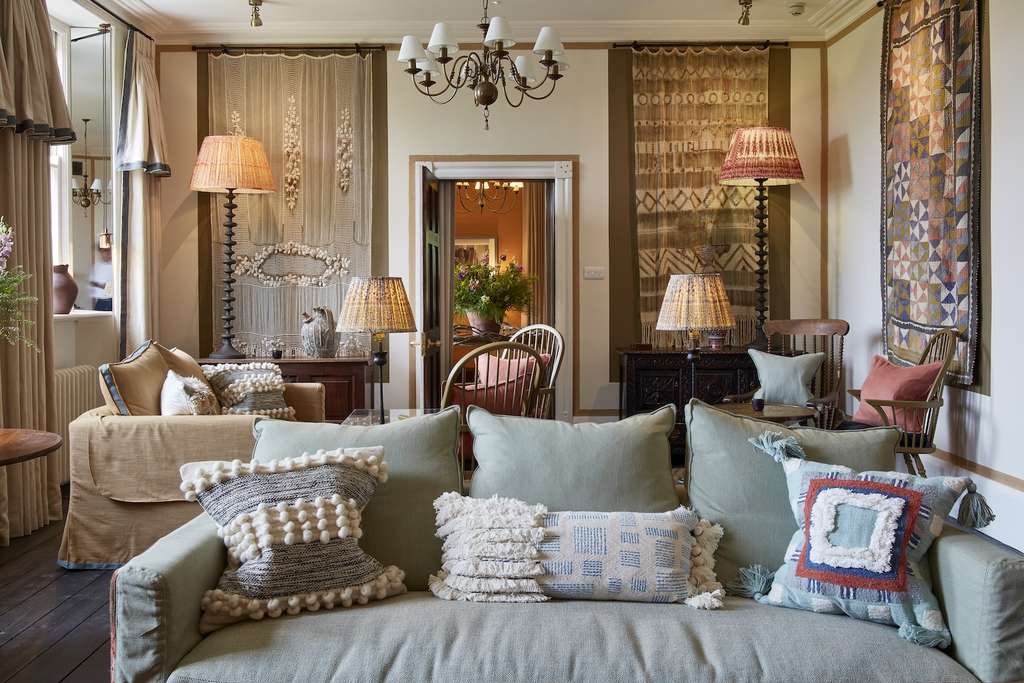
Luxury travel has always evolved with taste and technology, but the next decade will redefine it entirely. The luxury hotel of 2030 will no longer be about chandeliers and square footage – it will be about emotion, sensory experience and sustainability. The shift is already underway, and the signs are visible in the world’s most innovative properties today.
According to Euromonitor International’s “Travel 2040” report, luxury travellers are placing higher value on sustainability and emotional connection than traditional markers of wealth. Design studios and hospitality brands are responding by creating spaces that adapt to the guest’s mood and environment.
At Mandarin Oriental Hyde Park, London, the newly launched Pantone Celadon Suite is one of the clearest examples of this trend. As confirmed by the Mandarin Oriental Hotel Group, the suite was designed in collaboration with Paris-based collective Uchronia and the Pantone Color Institute™, turning a single colour – Mandarin Oriental Celadon Green – into a sensory experience. It feels less like a hotel room and more like a living artwork, embodying the shift toward immersive, emotionally resonant design.
Across the industry, architecture is being reimagined to breathe with its surroundings. Publications such as Dezeen and Hospitality Design Magazine report a surge in biophilic and regenerative design, where natural materials, renewable energy, and even carbon-negative construction define the aesthetic of luxury. Hotels are already experimenting with cork walls, algae panels, and recycled marble dust – materials that appeal to both the senses and the conscience.
Technology will also play a central role, though quietly. As Forbes Travel Guide notes, artificial intelligence is beginning to personalize guest experiences in ways that feel intuitive rather than intrusive. By 2030, systems will anticipate a traveller’s preferred room lighting, scent, and even soundscape. Instead of minibar menus, there may be “wellbeing stations” offering local herbal infusions or vitamin blends – thoughtful, health-focused gestures replacing old symbols of indulgence.
Sustainability, however, will be the defining measure of luxury. The Skift Megatrends 2025 report describes this as “regenerative hospitality” – a model in which hotels don’t just minimize harm but actively restore their environments. Brands like Six Senses and 1 Hotels are already demonstrating how design, architecture and community engagement can intersect to create spaces that give back. At Habitas, for instance, construction is modular and minimal-impact, and each location contributes directly to local conservation efforts.
Cultural specificity will shape the next wave of hotel design as well. Condé Nast Traveler highlights a return to “place-based luxury” – properties that absorb their surroundings instead of replicating global design templates. In Japan, that may mean meditative minimalism and garden courtyards; in Morocco, hand-woven textiles and natural clay. The cookie-cutter five-star aesthetic is being replaced by something deeper: authenticity as luxury.
The result will be a new definition of exclusivity. The luxury hotel of 2030 will not exist to impress but to express. Guests will seek a sense of connection – to a place, to people, and to themselves. Hospitality is entering a phase of “invisible technology and visible empathy,” where design and data work quietly to make human experience central again.
By then, we may stop measuring luxury by stars or marble finishes. Instead, it will be measured by balance, emotional resonance, and authenticity – the quiet assurance that the space you inhabit, even briefly, reflects your own sense of harmony.