In the heart of Plovdiv, one of the world’s oldest living cities, wine tourism took on a new meaning this October. The UN Tourism Global Conference on Wine Tourism, held in Bulgaria from October 6–7, explored how art, creativity, and tradition can together shape the future of sustainable tourism.
Under the theme “The Art of Wine Tourism,” the event gathered more than 300 delegates from 27 countries — from policymakers to winemakers — to explore how vineyards are becoming not only destinations, but creative spaces where culture, design, and storytelling meet.
UN Tourism Secretary-General Zurab Pololikashvili framed it perfectly: “Taste, culture, and place come together in wine tourism. Now, innovation and creativity are shaping the sector.”
A Meeting of Heritage and Modern Vision
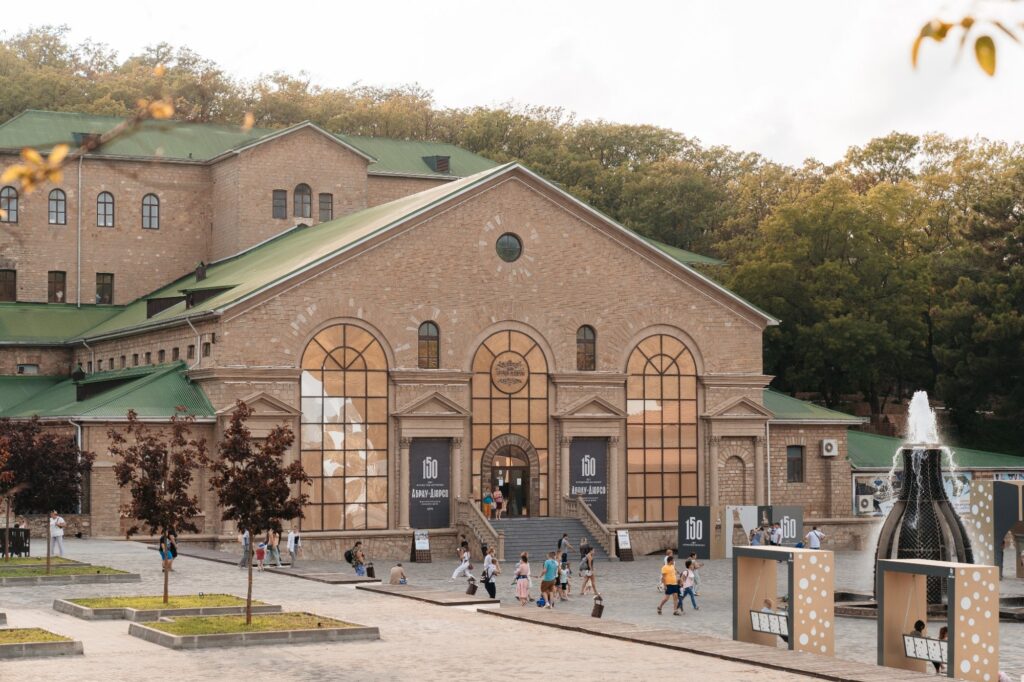
Plovdiv, known for its Roman amphitheatre, cobblestone lanes, and thousands of years of winemaking history, was the ideal host. Once a symbol of the Thracian wine trade, today it represents how ancient practices can be reinvented for a new era of travellers.
“Wine is culture, history, and identity,” said Bulgaria’s Minister of Tourism Miroslav Borshosh. “Its combination with tourism gives us the opportunity to tell the story of Bulgaria in a new, modern, and exciting way.”
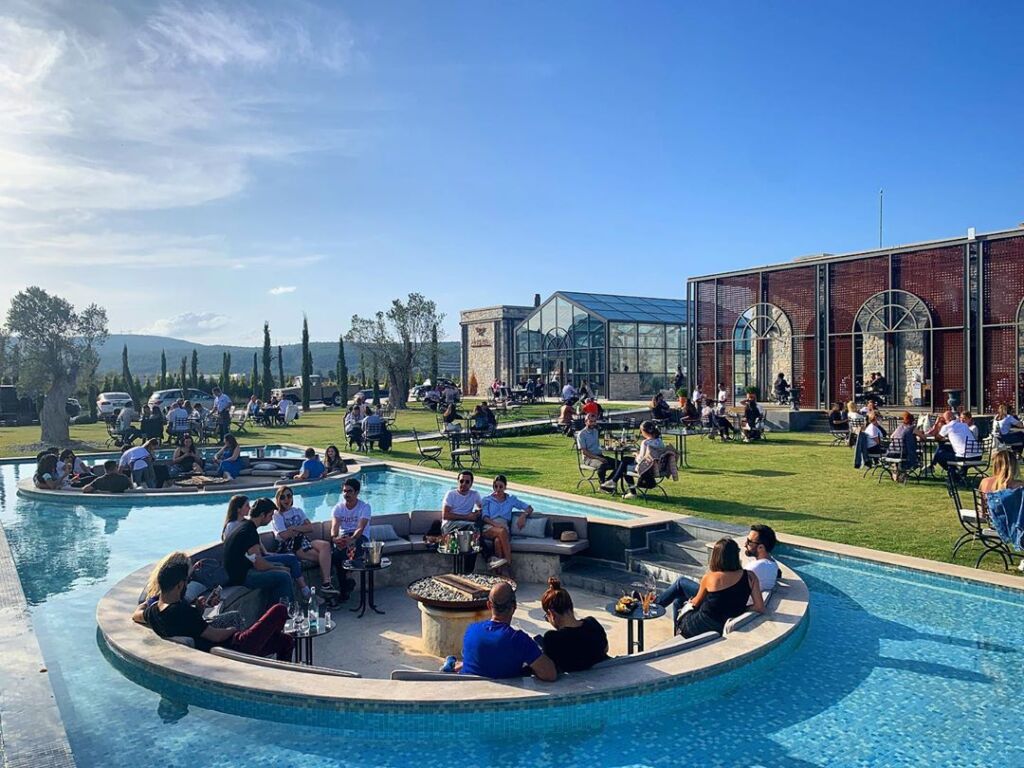
Bulgaria, a country quietly cultivating its place on Europe’s wine map, is becoming a hub for experience-based tourism. From boutique wineries showcasing art exhibitions to rural vineyards offering immersive stays, the nation is redefining how visitors connect with terroir and tradition.
The Rise of Creative Wine Destinations
Across the sessions and masterclasses, one clear message emerged: wine tourism is evolving into an art form. It’s no longer just about tasting — it’s about feeling the place, the people, and the creativity behind each bottle.
Representatives from Greece, Montenegro, Türkiye, and UNESCO’s Sofia office joined Bulgaria in calling for coordinated regional strategies to strengthen infrastructure and marketing. Their shared goal: to make wine tourism a catalyst for local economies, cultural preservation, and sustainable development.
By blending art, architecture, gastronomy, and nature, destinations are creating experiences that linger long after the last sip. Think of a vineyard visit that ends in an artist-led tasting, or a mountain winery that pairs its wines with music inspired by the landscape — this is the new face of wine tourism.
A Sustainable Future in Every Glass
What emerged from Plovdiv is a shared vision: that wine tourism can drive inclusive growth while protecting the heritage it celebrates. It offers jobs in rural areas, supports family-run vineyards, and gives visitors a reason to slow down and appreciate craftsmanship over consumption.
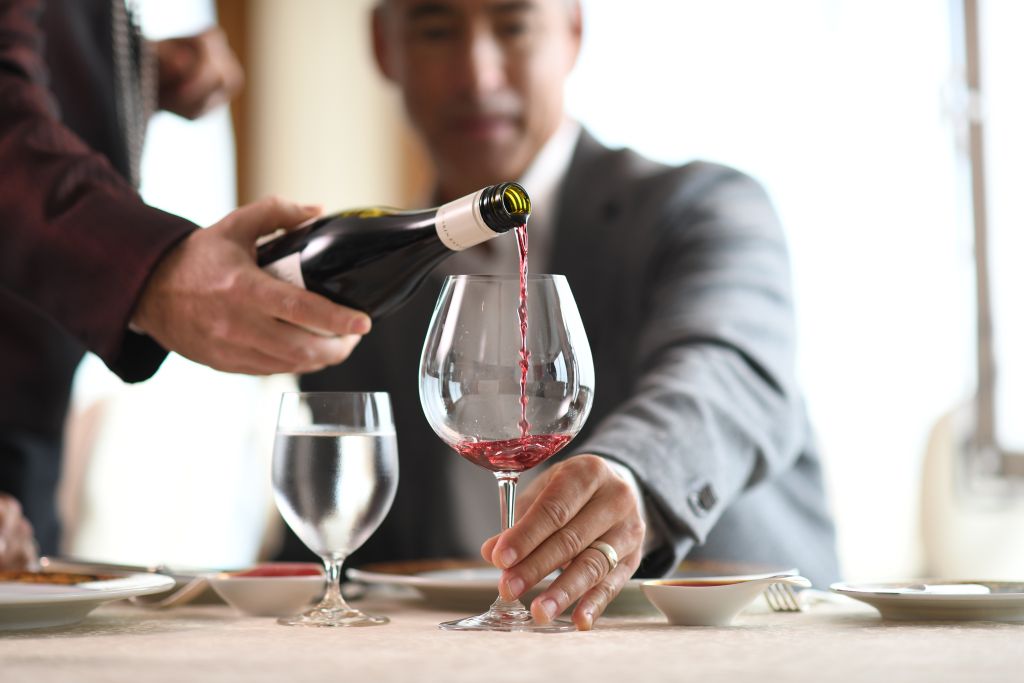
In the age of fast travel, wine tourism invites travellers to pause — to experience place through all senses. It is, as the conference suggested, both an art and a bridge: connecting cultures, generations, and ideas, one pour at a time.