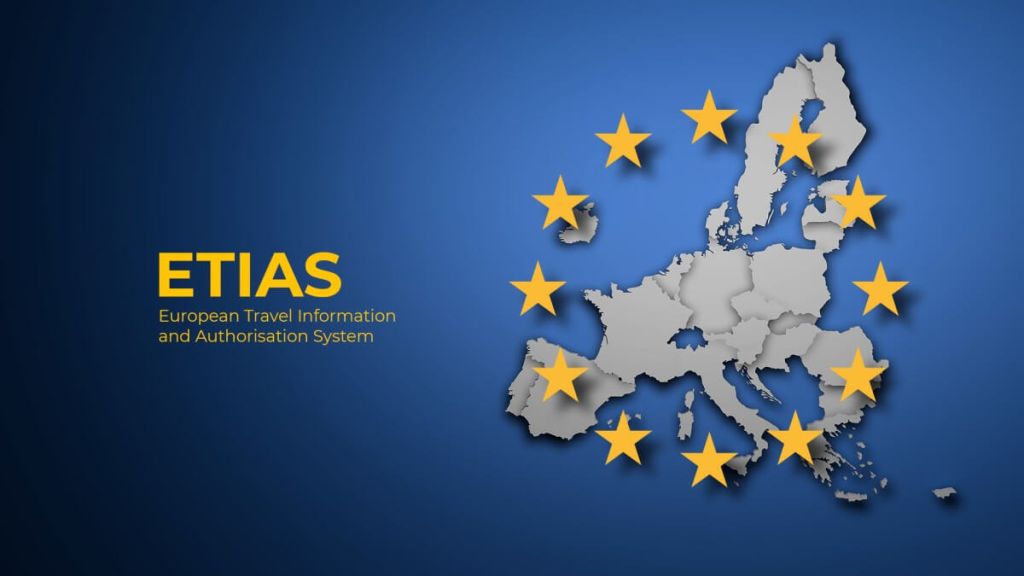
The European Commission is preparing to delay the launch of the European Travel Information and Authorisation System (ETIAS) until at least 2027, as authorities focus on resolving operational issues caused by the rollout of the EU’s biometric Entry/Exit System (EES).
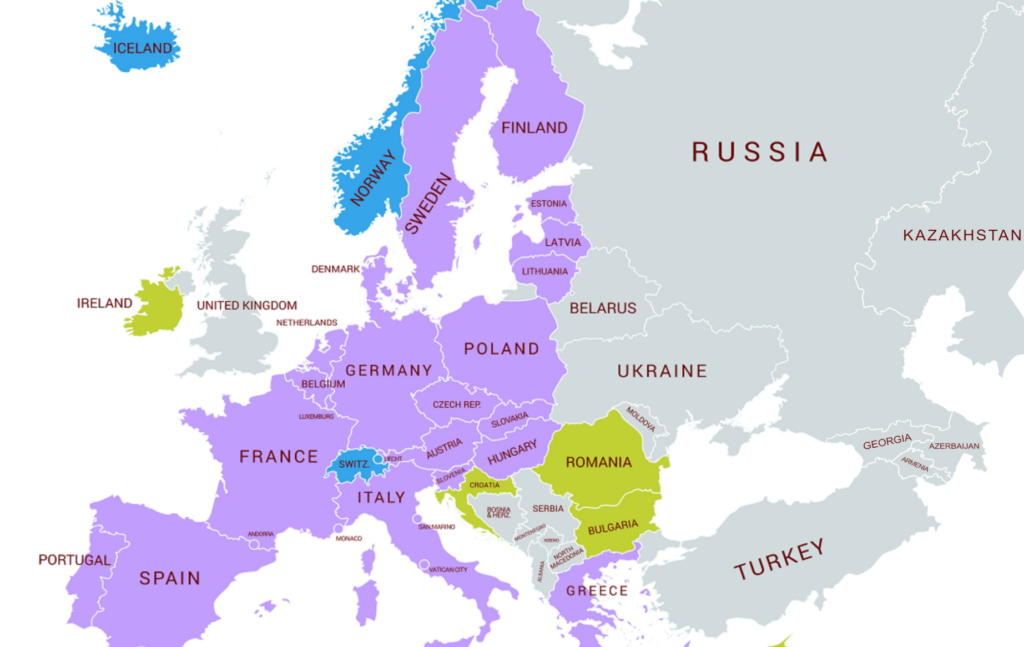
ETIAS had been scheduled to begin in the final quarter of 2026 and will require visa-exempt travellers, including visitors from the United Kingdom, United States, Canada and many Asia-Pacific countries, to obtain online travel authorisation and pay a €20 fee before travelling to the Schengen Area.
EES Rollout Causes Airport Congestion
The planned postponement follows weeks of long queues and operational disruption after the Entry/Exit System became fully operational in April. Airports including Frankfurt, Munich and Berlin have experienced extended processing times for non-EU travellers as biometric border checks were introduced.
Airlines and airport operators have warned that introducing ETIAS while EES remains under pressure could create further disruption during peak travel periods.
Airlines Warn of Operational Challenges
Industry bodies, including Airlines for Europe (A4E) and the German Airports Association (ADV), have argued that adding ETIAS before EES is fully stabilised would place additional strain on border operations. Some airlines have already restricted the sale of short connecting itineraries at affected airports to reduce the risk of missed onward flights. No Official Date Yet
While the European Commission has not formally announced a new launch date, the EU agency responsible for implementing both systems, eu-LISA, has acknowledged that introducing ETIAS in 2026 is no longer considered feasible. A revised timetable is expected to be discussed later this year once further testing of the Entry/Exit System has been completed.
Even after ETIAS enters into operation, the European Union plans to introduce a transitional period of at least six months during which eligible travellers will still be allowed to enter the Schengen Area without an ETIAS authorisation, provided they meet all other entry requirements.