Europe is seeing a sharp increase in entry refusals at its external borders, with new figures showing thousands more travellers being denied entry as authorities tighten immigration and security controls across the region.
According to newly released Eurostat data, 132,600 non-EU nationals were refused entry into EU countries during 2025, marking a 7.1 per cent increase compared with the previous year.
Air Travel Accounts For Most Refused Entries
The majority of refused entries involved passengers arriving by air, highlighting the growing operational pressure on airlines and airports as border checks become more stringent.
Industry groups say carriers are increasingly responsible for verifying passenger documentation before departure, while also managing the cost and logistics of returning passengers denied entry.
Poland, Croatia And Romania Among Highest Totals
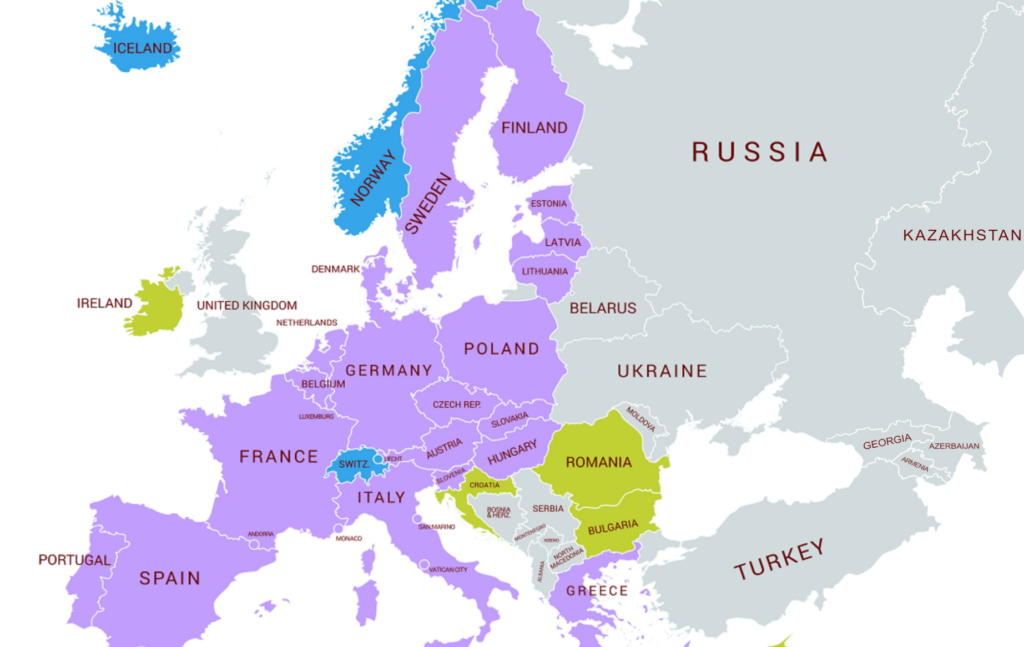
Eurostat data showed Poland recorded the highest number of refused entries among EU member states, followed by Croatia and Romania.
Authorities across several European countries have intensified border enforcement measures as governments continue focusing on migration management, security concerns, and stricter compliance checks for third-country nationals.
Passengers Face Increased Documentation Checks
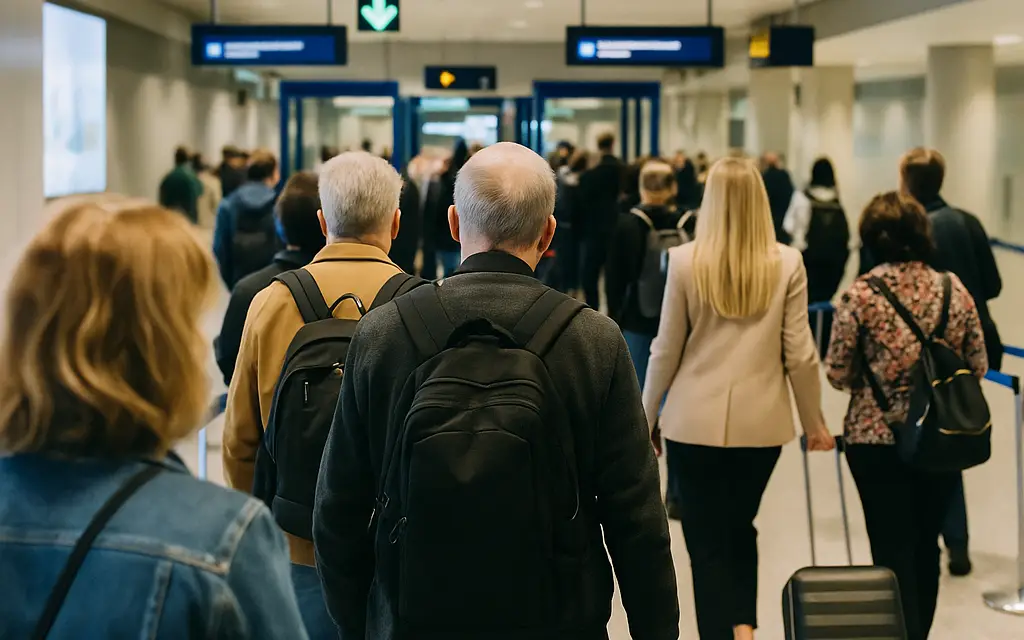
Travellers are facing greater scrutiny over visas, proof of accommodation, return tickets, financial documentation, and overall eligibility to enter European countries.
Industry representatives say some passengers are still arriving at airports unaware of changing entry requirements, contributing to delays and additional pressure at immigration checkpoints.
Airlines Warn Of Operational Challenges
The aviation sector says rising refusal rates are creating operational disruption for airlines, particularly on international routes into major European hubs.
Airlines can face financial penalties and repatriation obligations when passengers are refused entry, increasing pressure on carriers to conduct more extensive document verification before boarding.
New European Border Systems Add Complexity
The increase in refusals comes as Europe prepares for the wider rollout of the Entry/Exit System (EES), a new digital border management platform that will introduce biometric registration checks for non-EU travellers.
Airports and airlines across Europe are continuing preparations for the system, with concerns that additional screening procedures could initially increase processing times at border control.
Travel Demand Remains Strong Despite Tighter Controls
Despite stricter border enforcement, European airports continue reporting strong international travel demand ahead of the peak summer season.
Industry analysts are advising travellers to carefully review entry requirements before departure as border procedures continue evolving across the region.