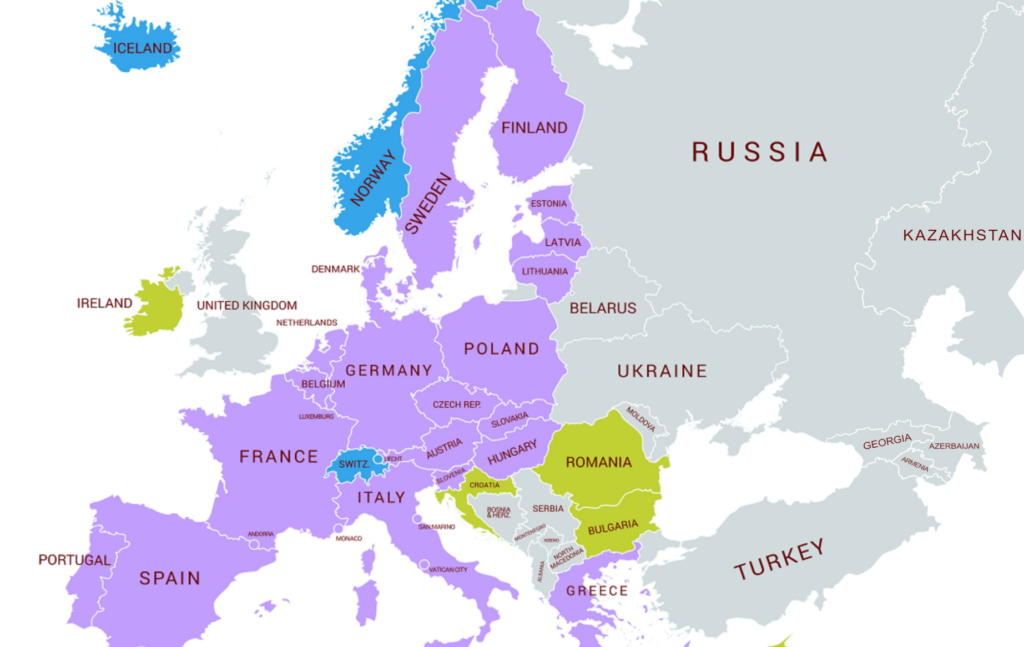
Europe’s new Entry/Exit System is beginning to reshape summer travel for Americans heading to the Schengen area, with airports and border posts preparing for slower processing as biometric checks are introduced across the bloc.
The European Union says the system is designed to replace manual passport stamping and improve tracking of short stays by non-EU visitors. In practice, the rollout is expected to create operational pressure at major airports, ferry terminals and land borders, particularly where large numbers of American tourists arrive at the same time.
Authorities have been warning that the launch could affect crossing times as border staff and passengers adjust to the new procedure. The system is intended to record each traveller’s entry and exit and help enforce the 90-day limit for short stays in the Schengen area.
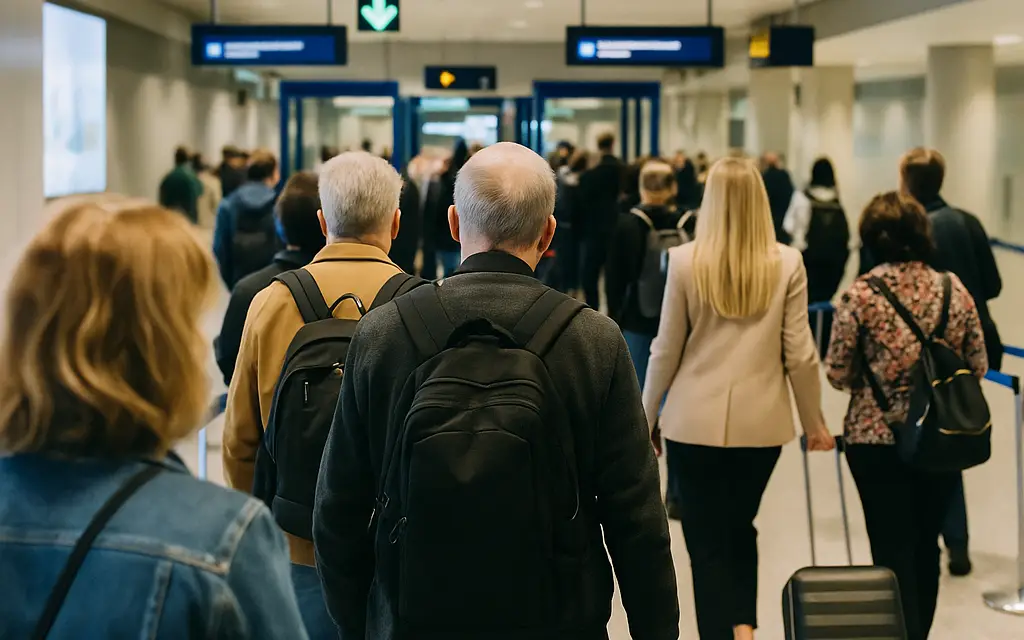
For travellers, the immediate impact is likely to be seen at arrival halls and border control points rather than in booking prices or route networks. Airlines and airport operators are preparing passengers for possible delays, while officials have urged travellers to allow extra time for connections and onward plans.
The EES is part of a wider European effort to modernise border management and is expected to be followed later by the separate ETIAS travel authorisation scheme for visa-free visitors, though that system has not yet started.