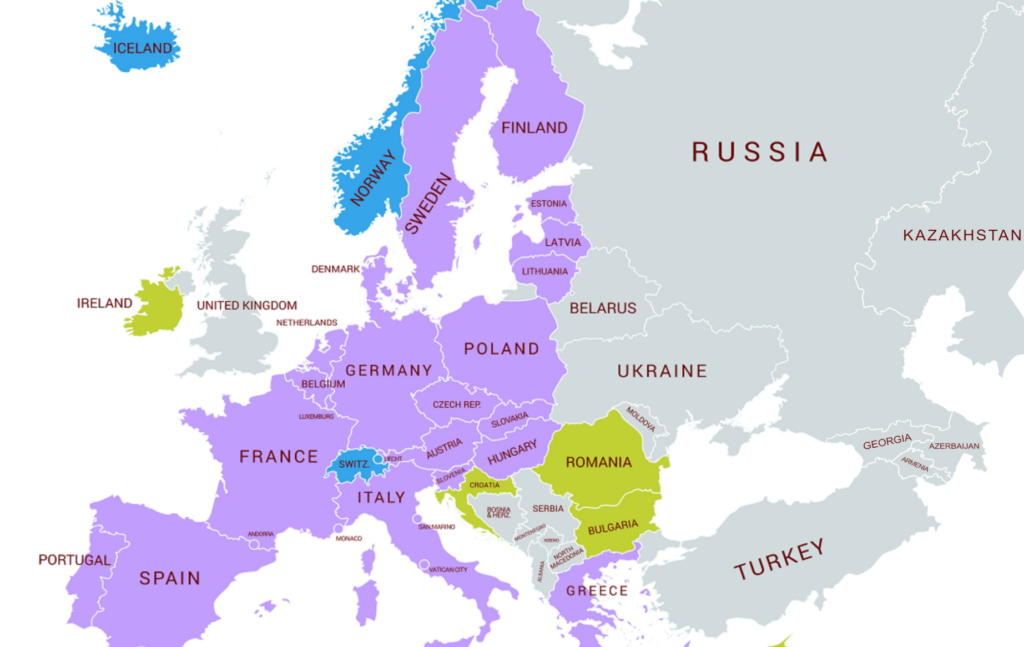

The European Commission has released new figures showing the rapid impact of the Schengen Area’s Entry/Exit System, revealing that more than 66 million border crossings by non-EU travellers have already been recorded since the biometric platform became fully operational in April.
According to the Commission’s latest State of Schengen Report published on May 18, around 32,000 travellers were automatically refused entry after failing to meet admission requirements under the new digital border system.
The data marks one of the clearest signs yet that Europe’s largest border-control overhaul is fundamentally reshaping travel across the Schengen Area.
French Airports See Faster Passenger Processing
France has emerged as one of the early beneficiaries of the new biometric system, particularly at major international gateways including Paris Charles de Gaulle Airport and Channel ferry terminals.
Officials said automated biometric kiosks reduced average passenger verification times by approximately 40 percent for arriving travellers.
The faster processing comes as France continues handling some of the highest international passenger volumes within the Schengen Area, accounting for roughly one-fifth of all external border traffic.
How The Entry/Exit System Works
The Entry/Exit System digitally records the movements of third-country nationals entering and leaving the Schengen Area.
Instead of relying solely on passport stamps, the system stores biometric information including facial scans and fingerprints while automatically monitoring how long travellers remain inside the bloc.
The system is designed to strengthen border security while helping authorities identify overstays and irregular travel patterns more efficiently.
European officials say the technology also supports smoother movement for compliant travellers by accelerating identity verification at airports and border crossings.
Pressure Builds To Remove Internal Border Checks
The Commission is now encouraging France and several other member states to gradually phase out temporary internal border controls and instead rely on the new digital risk-analysis tools provided by EES.
France has repeatedly extended temporary border checks with neighbouring countries including Belgium, Spain and Italy since 2015 due to security concerns.
Brussels argues that improved biometric monitoring at external borders could eventually reduce the need for internal Schengen controls.
New Challenges For Airlines And Business Travellers
The system is also creating new obligations for airlines, ferry operators and coach companies, which must now verify passenger eligibility before boarding through a centralised EES platform.
Transport operators carrying passengers who exceed Schengen visa limits or lack valid documentation can face fines and repatriation costs.
Several French travel operators have reportedly extended check-in procedures to ensure compliance with the new rules.
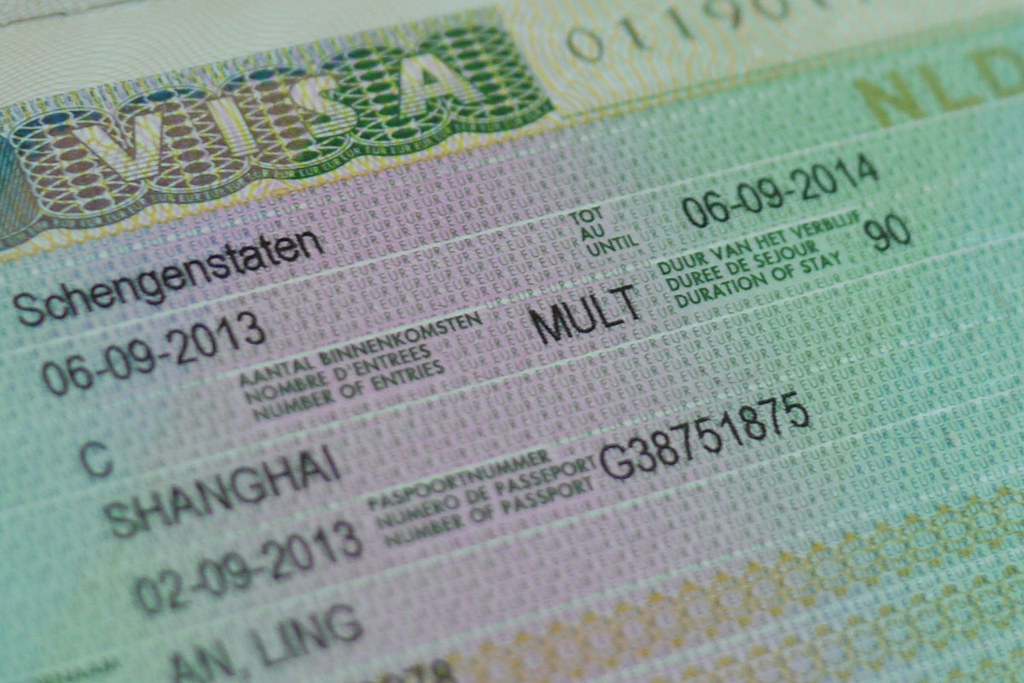
Corporate mobility specialists also warn that the Entry/Exit System effectively makes the Schengen Area’s 90-day limit self-enforcing.
Businesses rotating international employees through Europe for short-term assignments may now face stricter monitoring of travel schedules and visa-free stay periods.
Europe’s Border Digitalisation Continues
The European Commission is already preparing the next stage of border digitalisation through the planned ETIAS travel authorisation system, expected to launch in late 2026.
ETIAS will require visa-exempt travellers from countries including the United Kingdom, United States and Australia to obtain pre-travel authorisation before entering the Schengen Area.
For travellers heading to Europe this summer, the new biometric systems are expected to become an increasingly visible part of the airport experience as Schengen border management enters a new digital era.