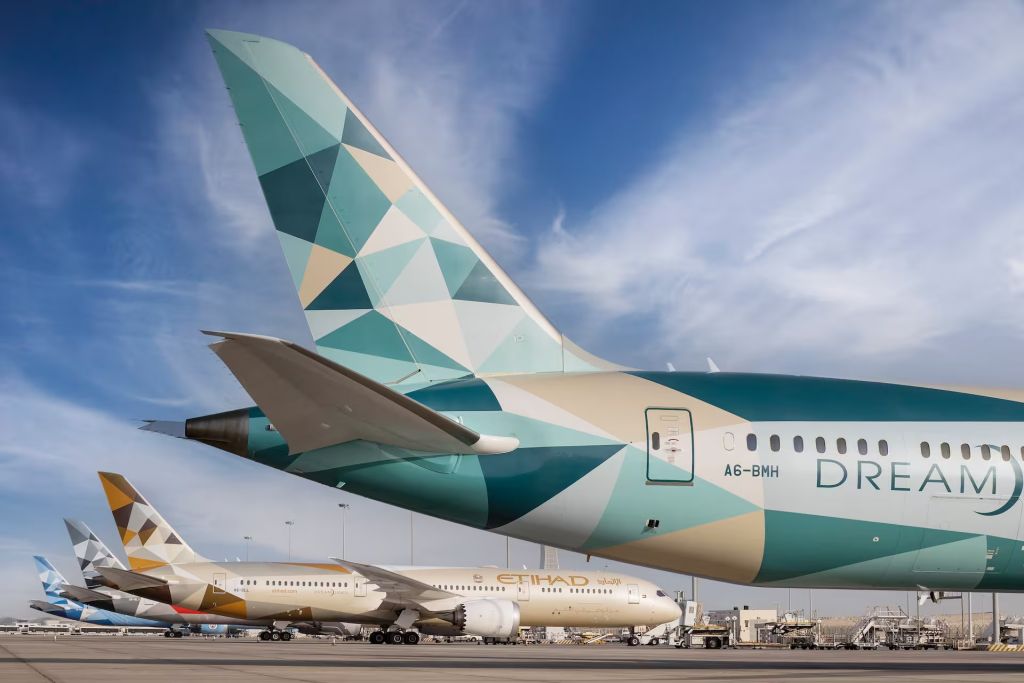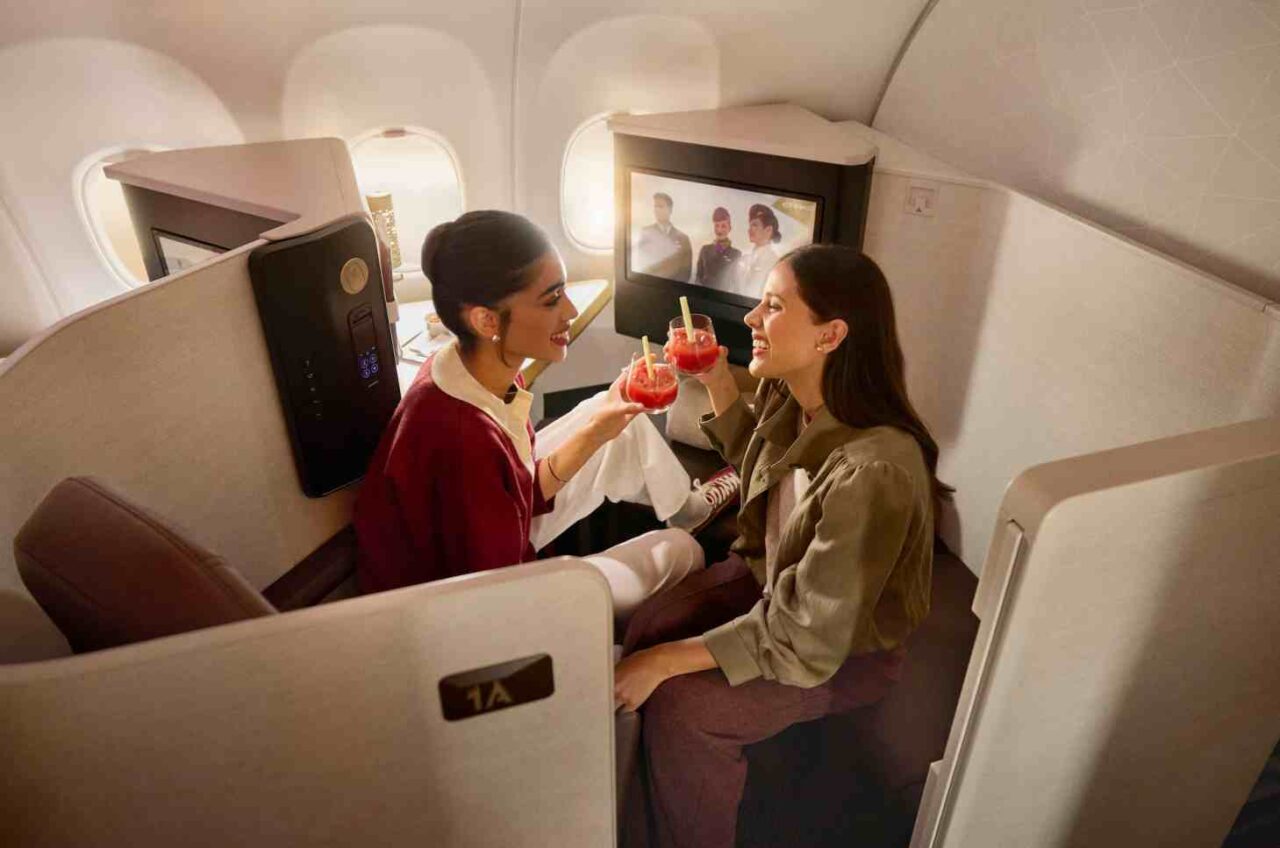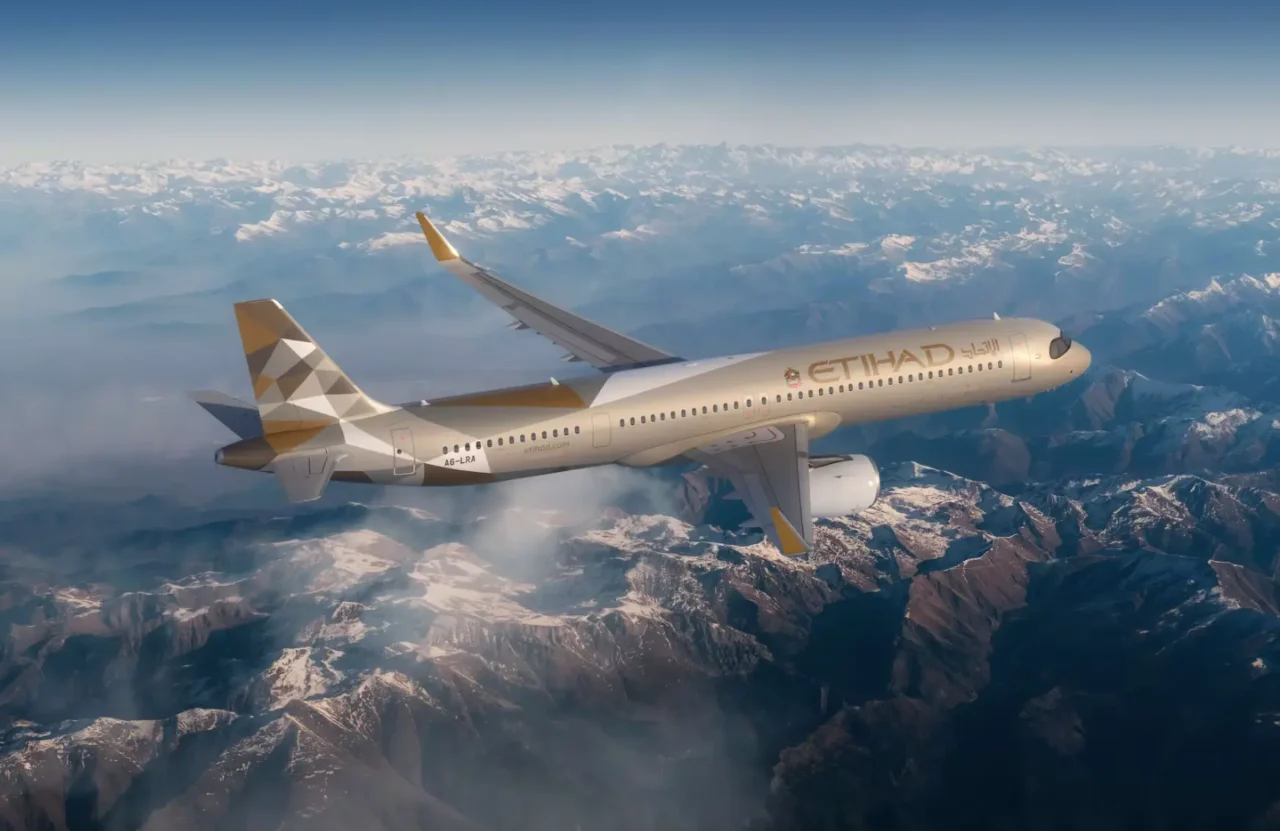
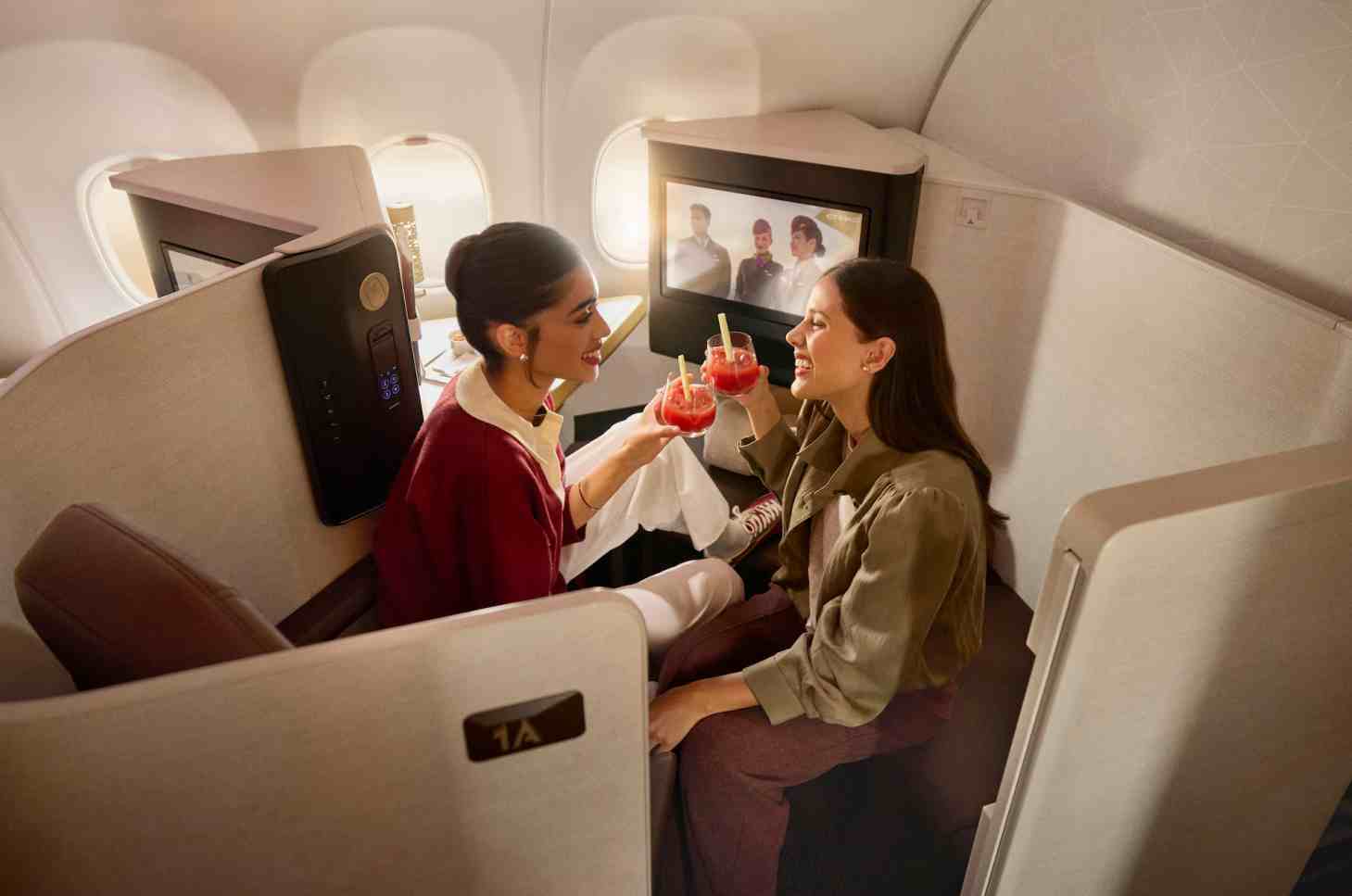
Etihad Airways is using its Airbus A321LR to extend a widebody-style product onto medium-haul routes of up to 6,300km. The airline has fitted the jet with a cabin designed to carry more of its premium long-haul experience on shorter sectors.
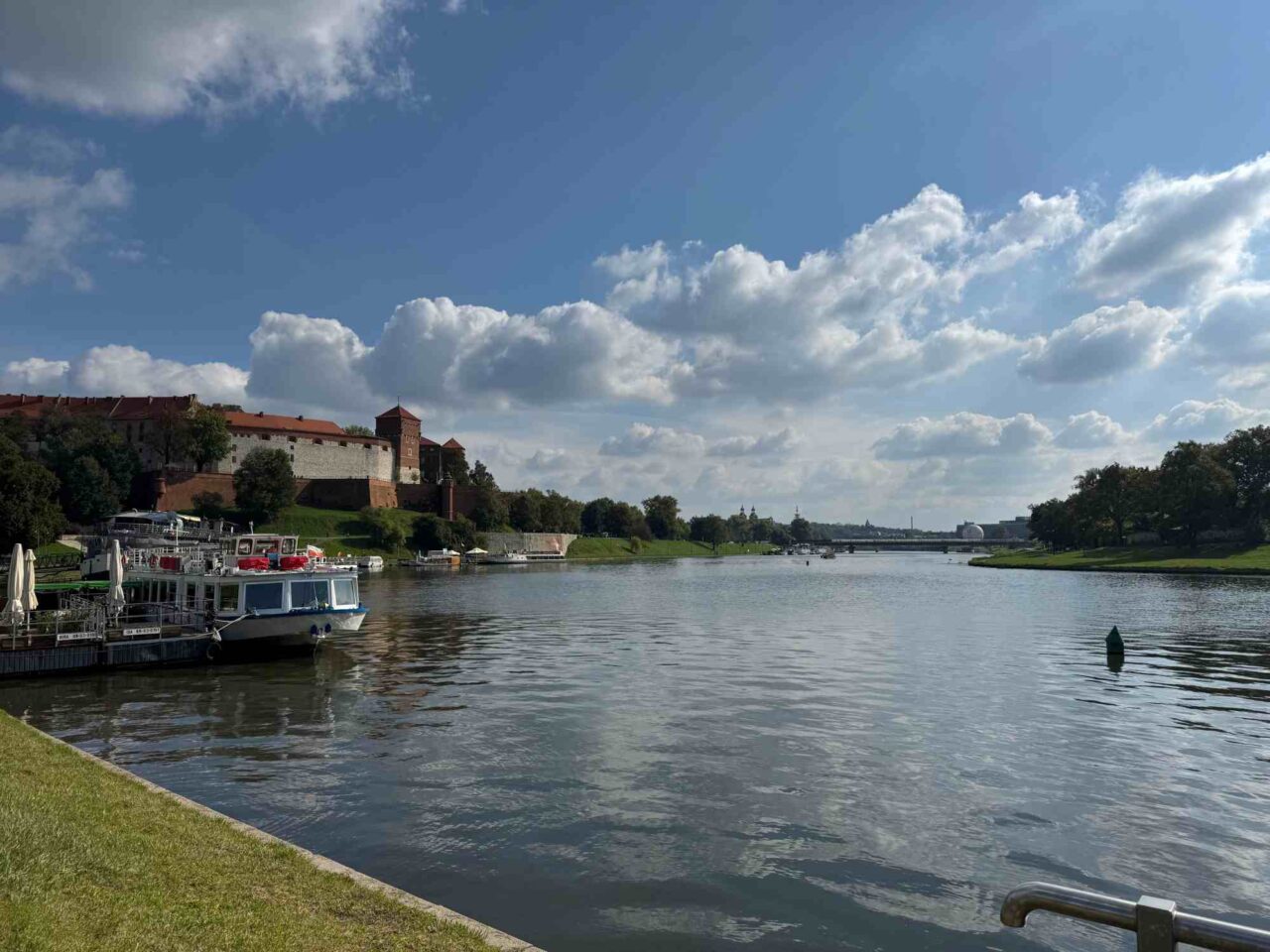
The aircraft was reviewed on two different flights, a daytime Bangkok to Abu Dhabi service and an overnight Abu Dhabi to Krakow route. The report focused on the economy cabin and how Etihad’s standard compared on both journeys.
Etihad’s strategy with the A321LR is clear: bring a more consistent onboard experience to routes that do not need a larger widebody aircraft. That includes a mix of business and leisure markets where passengers still expect a higher level of comfort.
The A321LR, or long range version of Airbus’s A321neo family, is increasingly important for airlines looking to serve thinner routes without sacrificing range. For Etihad, it forms part of a wider effort to apply its premium brand to destinations that would once have been out of reach for a narrowbody aircraft.
On the Bangkok leg, the review checked how the aircraft performed on a longer daytime sector. On the Abu Dhabi to Krakow flight, the focus shifted to overnight travel, when seat comfort and cabin layout matter more for rest.
The use of the same aircraft type on both routes also highlights how airlines are changing the economics of long, thin markets. A single-aisle jet can open new city pairs while keeping operating costs lower than a widebody.
For passengers, the main question is whether the experience feels like a step down from a larger aircraft. Etihad’s approach suggests it wants the answer to be no, at least on routes where it can control the cabin product from end to end.
Long-range narrowbody aircraft have become one of the most closely watched trends in aviation. They allow airlines to reach secondary destinations, add frequencies and test demand without committing to a larger jet.
Etihad has been among the carriers using this shift to widen its network. The A321LR gives it flexibility to operate longer flights while maintaining a brand identity built around premium service and attention to detail.
The review’s emphasis on economy class is significant because that is where most passengers will experience the aircraft. A comfortable seat, good cabin atmosphere and reliable service can shape whether travellers view the aircraft as a practical alternative to a widebody.
The Bangkok and Krakow services also reflect different travel needs. One is a busy daytime journey on a major Asia to Gulf route, while the other is a night flight linking Abu Dhabi with a Central European destination.
As airlines continue to refine post-pandemic networks, aircraft like the A321LR are becoming more valuable. They give carriers a way to connect cities directly, reduce the need for hubs on some routes and adjust capacity more precisely.
For Etihad, that could help support growth beyond its traditional long-haul model. The airline is not simply adding another medium-range aircraft, but using the type to spread its premium proposition across a broader map.
The result is a more versatile fleet and, for travellers, potentially more choice. On routes up to 6,300km, the A321LR shows how a single-aisle aircraft can be used to deliver a product that feels closer to a widebody than many passengers might expect.