According to Wildlife SOS, wildlife rescues across the capital region increased by nearly 40% in April 2026 compared with the same month last year, highlighting the growing impact of heatwaves on animals living in densely populated urban environments.
The figures point to a broader trend in which rising temperatures and expanding urbanisation are creating new challenges for wildlife forced to navigate increasingly hostile conditions in cities.
Wildlife Rescues Surge Across Delhi-NCR
Wildlife SOS recorded a significant increase in rescue operations during April, a month that is becoming increasingly associated with early-season heatwaves in northern India.
Bird rescues rose by almost 49% compared with April 2025, while combined rescues involving mammals and reptiles increased by nearly 24%.
The organisation said the data reflects growing pressure on wildlife as extreme temperatures arrive earlier in the year and persist for longer periods.
Historically, May and June have generated the highest number of wildlife distress calls, but recent trends suggest April is rapidly emerging as a critical period for animal welfare across the region.
Birds Among the Most Affected Species
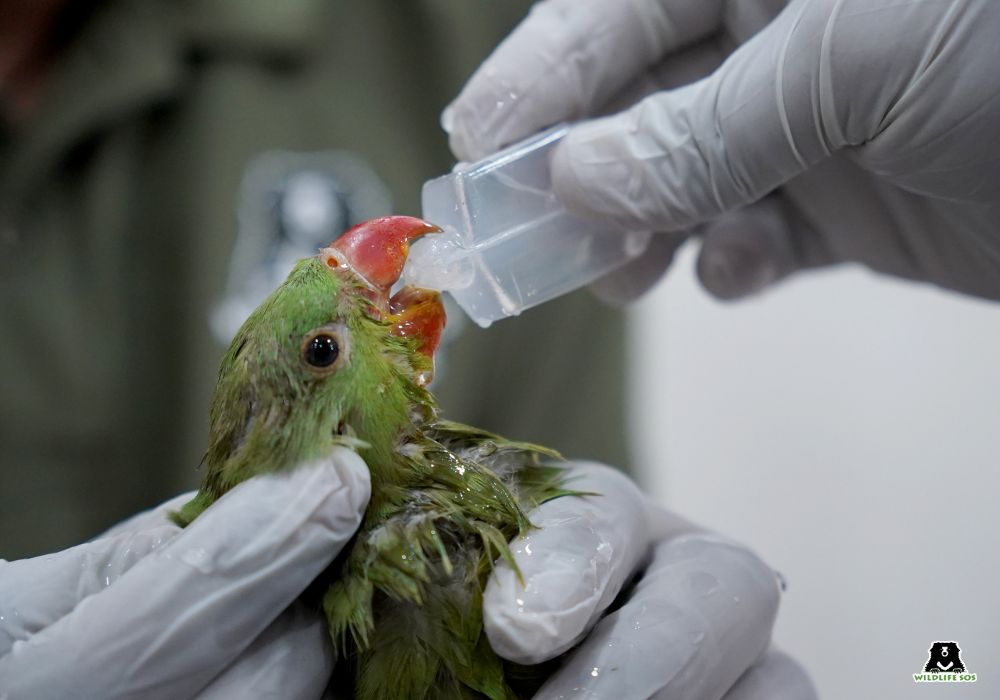
Birds account for a large proportion of heat-related rescue cases handled by the organisation.
Black kites, rock pigeons, Indian peafowls, parakeets and owls are among the species most frequently found suffering from dehydration, heat exhaustion and disorientation.
Many birds are discovered collapsed in public spaces or unable to fly after prolonged exposure to high temperatures and limited access to water sources.
Wildlife rescuers say some animals are increasingly entering office buildings, residential complexes and public facilities in search of shade and relief from the heat.
Mammals and Reptiles Also Under Pressure
The effects of extreme heat are not limited to birds.
Wildlife SOS teams have also responded to numerous rescue calls involving rhesus macaques, squirrels, bats, civets, cobras, rat snakes and monitor lizards.
As natural habitats become increasingly stressed by high temperatures and urban development, many animals are venturing into unfamiliar urban areas while searching for water, food and shelter.
These movements can place wildlife at greater risk of injury, conflict with humans and exposure to additional urban hazards.
Urban Heat Islands Intensify the Problem
Experts point to the growing influence of urban heat islands as a major factor behind the increase in wildlife distress.
Concrete structures, asphalt roads and glass-covered buildings absorb and retain heat, causing temperatures in cities to remain significantly higher than surrounding natural areas.
For wildlife already coping with habitat fragmentation, pollution and limited green spaces, these conditions can quickly become life-threatening during prolonged heatwaves.
Birds face additional risks from building collisions and electrocution, while reptiles and mammals often encounter dangers as they move through unfamiliar urban environments.
Changing Climate Is Reshaping Wildlife Behaviour
Wildlife SOS says the growing number of rescues reflects broader environmental changes affecting biodiversity in cities.
Animals are increasingly being found in locations where they would not typically be seen, often driven by the urgent need to find water and cooler conditions.
The trend is providing conservationists with valuable insight into how climate-related pressures are influencing wildlife behaviour and survival.
Rescue teams are currently responding to more than a dozen heat-related wildlife emergencies each day across Delhi-NCR.
Calls for Greater Urban Conservation Efforts
Conservationists say protecting wildlife during extreme weather events requires a combination of immediate action and long-term planning.
Measures such as preserving urban green spaces, protecting water sources and creating wildlife-friendly habitats can help reduce the impact of rising temperatures on vulnerable species.
Simple actions by residents, including placing water bowls in shaded outdoor areas and supporting local biodiversity initiatives, can also provide valuable assistance during periods of extreme heat.
Growing Challenge for Urban Biodiversity
As climate change contributes to more frequent and intense heatwaves, wildlife experts expect urban animal rescues to continue increasing.
The situation unfolding across Delhi-NCR highlights the growing challenges faced by wildlife in rapidly expanding cities and underscores the importance of integrating biodiversity protection into urban planning and climate adaptation strategies.
For rescue teams on the ground, the rising number of distress calls serves as a stark reminder that extreme weather affects not only people but also the countless animals sharing urban environments.