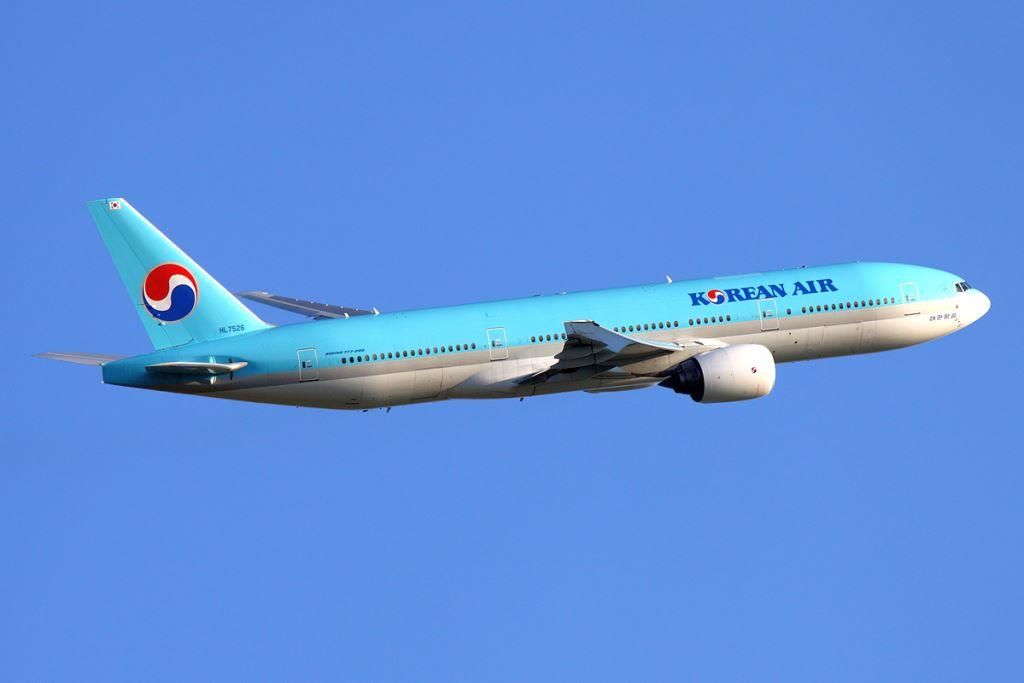
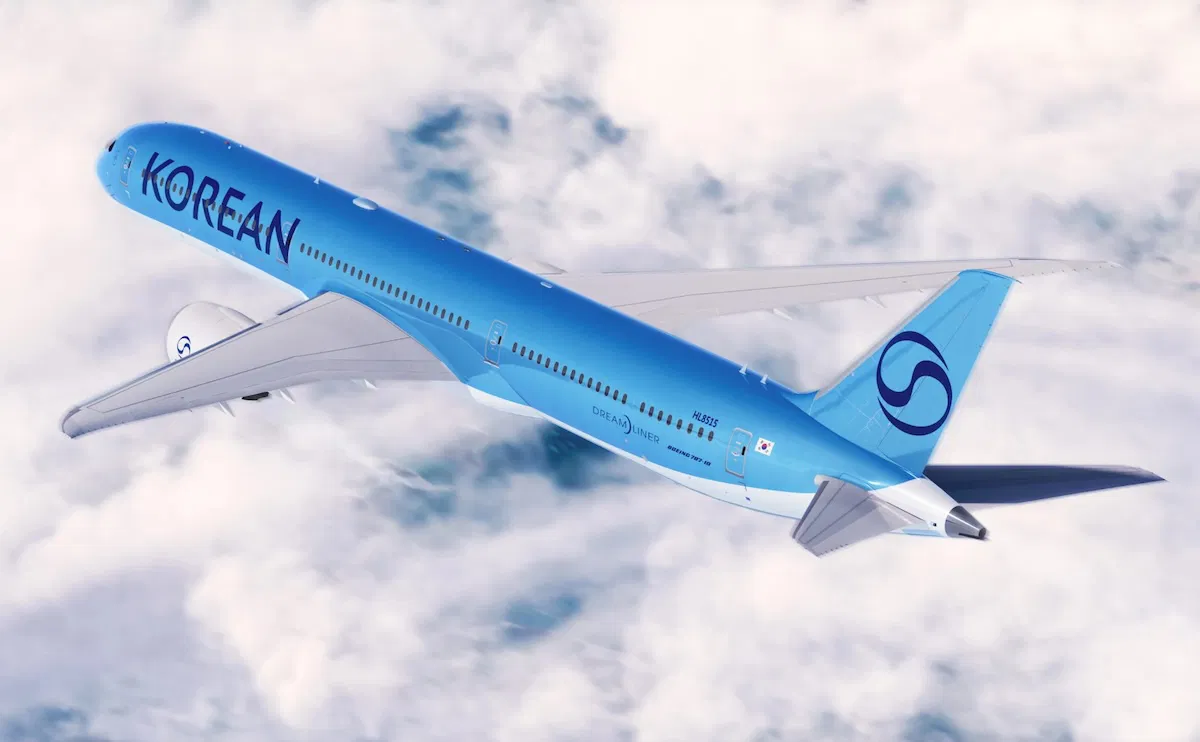
South Korea’s largest airline, Korean Air, has confirmed it will complete its long-planned takeover of Asiana Airlines in December, marking the final stage of a merger that will reshape the country’s aviation industry.
Korean Air announced that a new integrated carrier will officially launch on 17 December after the boards of both airlines approved the merger plans on Wednesday.
The integration comes six years after Korean Air first revealed its intention to acquire Asiana Airlines during a period when the carrier faced mounting financial difficulties linked to the pandemic-driven collapse in global air travel.
Merger Ends Nearly 40 Years Of Asiana Airlines History
Founded in 1988, Asiana Airlines has operated for almost four decades as South Korea’s second-largest carrier.
The merger will bring an end to the airline’s independent operations and consolidate South Korea’s international aviation market under a single dominant full-service airline group.
The acquisition process faced years of regulatory scrutiny and competition reviews before finally receiving approval.
Combined Airline Expected To Become Global Aviation Leader
South Korean media reports estimate that Korean Air and Asiana Airlines generated combined annual sales of approximately 20 trillion won last year, equivalent to around $13.4 billion.
Industry analysts believe the integration will create one of the world’s leading airline groups by scale and international reach.
The merger is expected to strengthen route networks, improve operational efficiency and expand global connectivity for South Korean aviation.
Korean Air already operates one of Asia’s largest long-haul networks, serving destinations across North America, Europe, the Middle East and Oceania.
Fuel Costs Present Immediate Challenge
Despite the strategic advantages of the merger, analysts warn the newly integrated airline could face significant short-term pressure from rising jet fuel prices linked to instability involving Iran and global energy markets.
Reports indicate Korean Air entered an emergency management phase in April as the airline sought to improve efficiency and control operating costs.
Higher fuel prices remain one of the largest financial risks facing airlines globally, particularly for long-haul international carriers.
Major Shift For South Korean Aviation
The merger marks one of the biggest changes in South Korea’s aviation sector in decades.
For years, Korean Air and Asiana Airlines operated as fierce competitors on domestic and international routes, shaping the country’s airline market and global aviation presence.
The combined airline is expected to play a much larger role in international aviation alliances and competition across Asia-Pacific markets once the integration is completed later this year.