Spain has remained silent over how it plans to handle new biometric checks for British travellers, even as Greece, Portugal and Italy have moved to ease entry for visitors from the UK. The contrast has raised fresh uncertainty for one of Europe’s busiest holiday markets, with the new system due to affect millions of journeys.
The Entry/Exit System, known as EES, is set to introduce fingerprint and facial recognition checks for many non-EU travellers arriving in the Schengen area. Greece, Portugal and Italy have already taken steps to make the process simpler for British visitors, while Spain has not yet set out a clear public position.
For UK holidaymakers, the issue matters because Spain is one of the most popular destinations in Europe. The country’s lack of comment has left tour operators and travellers waiting for guidance ahead of the rollout, which is intended to tighten border control across the bloc.
The changes form part of a wider shift in how European borders are managed. EES is designed to replace manual passport stamping with digital checks, allowing authorities to record arrivals and departures more accurately and spot people who overstay their permitted time.
British travellers are among those most affected because they are treated as third-country visitors since Brexit. That means they will need to register biometric data when they enter participating Schengen countries, unless they fall into a limited exemption category.
Greece, Portugal and Italy have already moved to reduce friction at the border for UK visitors, a sign that some countries are trying to limit disruption to their tourism industries. Those economies depend heavily on British holidaymakers, who often travel in large numbers during peak summer months.
Spain’s silence has become notable because the country also relies on the UK market more than almost any other European destination. The lack of a public update has created uncertainty for airlines, package holiday firms and travellers planning trips for later in the year.
The EES rollout has been discussed across Europe for months, with governments expected to prepare border staff and technology before implementation. But the uneven responses from member states have raised questions about how smoothly the system will work in practice, especially at major airports and ferry ports.
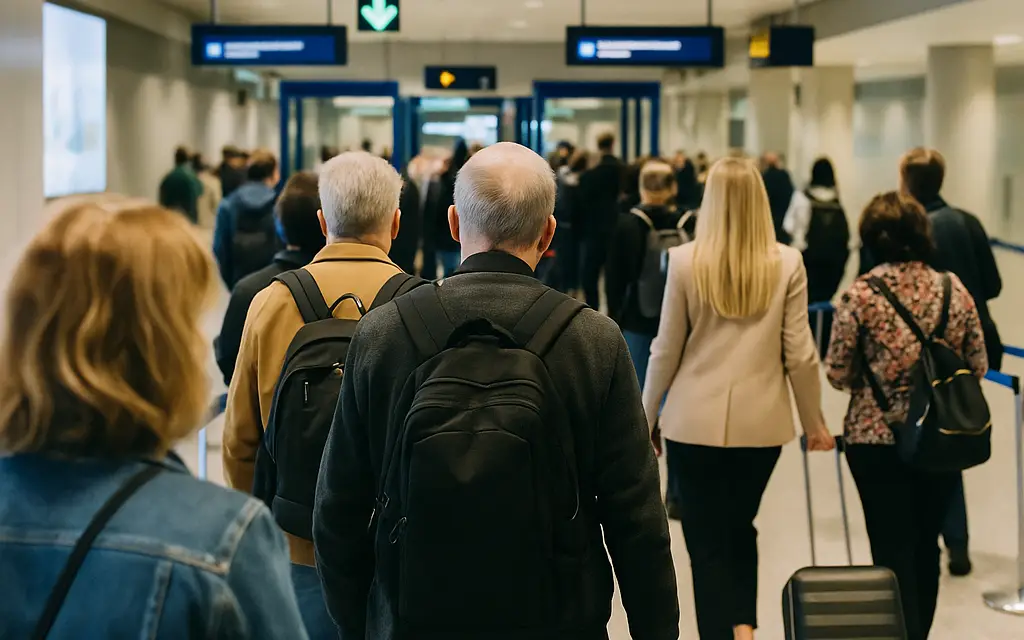
Travel industry figures have warned that any delay or confusion could lead to longer queues and slower processing times. That risk is highest at peak travel periods, when thousands of passengers may arrive in short time windows and border systems come under pressure.
For now, the key question is whether Spain will follow the example of Greece, Portugal and Italy, or adopt a stricter approach. Until it clarifies its position, many British travellers will be left to navigate mixed messages about what the new checks will mean for their holidays.
The issue is likely to remain high on the travel agenda as the launch of EES draws closer. For visitors, the practical impact will depend on how each country applies the rules and how quickly border authorities can process the extra information.