The global aviation industry is facing mounting pressure as jet fuel prices surge sharply, forcing airlines worldwide to cut flights, raise fees and revise financial forecasts.
According to reports, the price of aviation fuel has jumped from around $85–90 to as high as $150–200 per barrel amid escalating tensions in the Middle East. Fuel typically accounts for up to a quarter of airline operating costs, making the spike a major challenge for carriers.
The situation is raising concerns about the stability of summer travel. European officials have warned of a potentially “difficult summer,” noting that around 75% of the region’s aviation fuel is sourced from the Middle East. Any disruption in key routes such as the Strait of Hormuz could significantly impact supply.
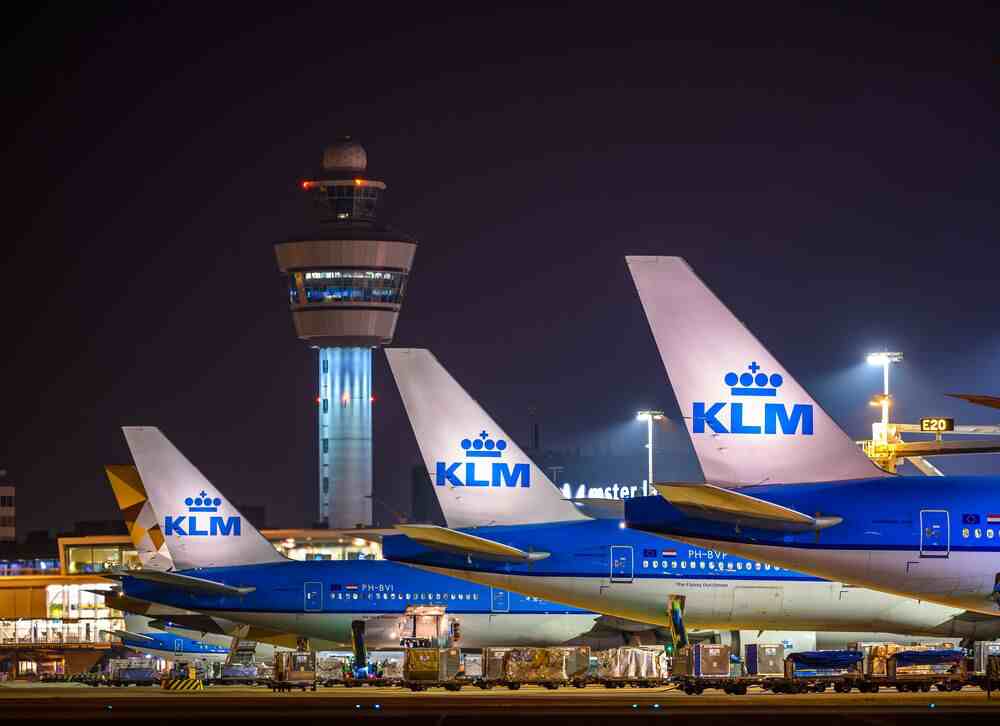
Major airlines are already taking action. Lufthansa has announced plans to cut 20,000 flights by October, while carriers including United Airlines, Delta Air Lines, Air Canada and KLM are entering the peak summer season with reduced capacity.
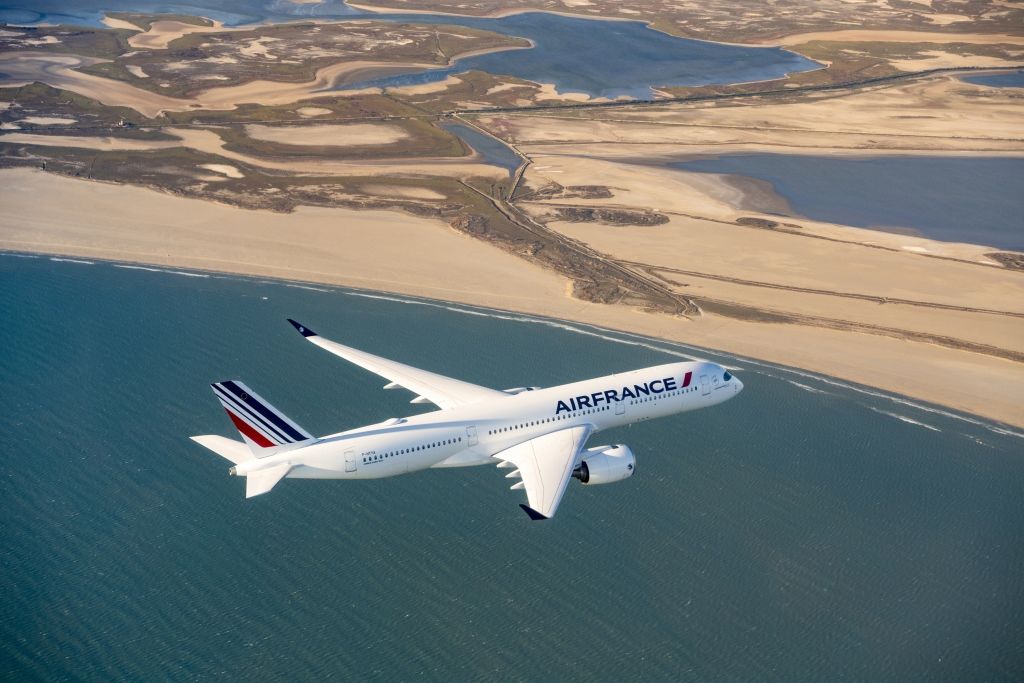
Low-cost long-haul carrier AirAsia X has cut its flight network by 10%, reporting a 20% increase in fuel expenses. Meanwhile, Air France plans to raise ticket prices on long-haul routes, adding around $58 to return fares.
Fleet reductions are also underway. Lufthansa will retire 27 aircraft from its CityLine subsidiary earlier than planned and phase out older long-haul jets, including Airbus A340-600 aircraft, while also reducing short- and medium-haul capacity in the coming seasons.
In Asia, Air India is restructuring fuel surcharges on domestic routes, shifting to distance-based pricing. Asiana Airlines has cancelled 22 flights between April and July, and China Eastern Airlines has increased fuel surcharges on domestic routes.
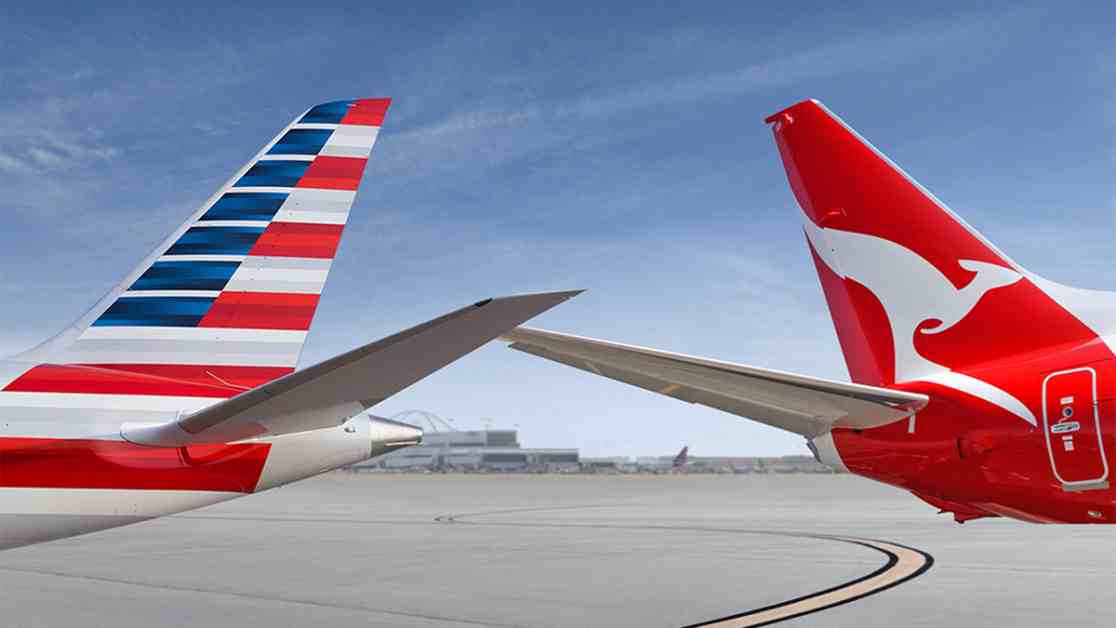
In the United States, American Airlines is introducing higher baggage fees, including a $10 increase for the first and second checked bags and up to $150 for a third bag on domestic and short international flights. The airline has also reduced some economy-class benefits and previously warned of a $400 million cost increase due to fuel prices.
The combined impact of these measures is likely to be felt by passengers through higher fares, fewer available flights and additional charges during the busy summer travel season.
As geopolitical tensions continue to influence energy markets, the aviation sector faces ongoing uncertainty, with airlines balancing rising costs against demand in one of the most challenging operating environments in recent years.