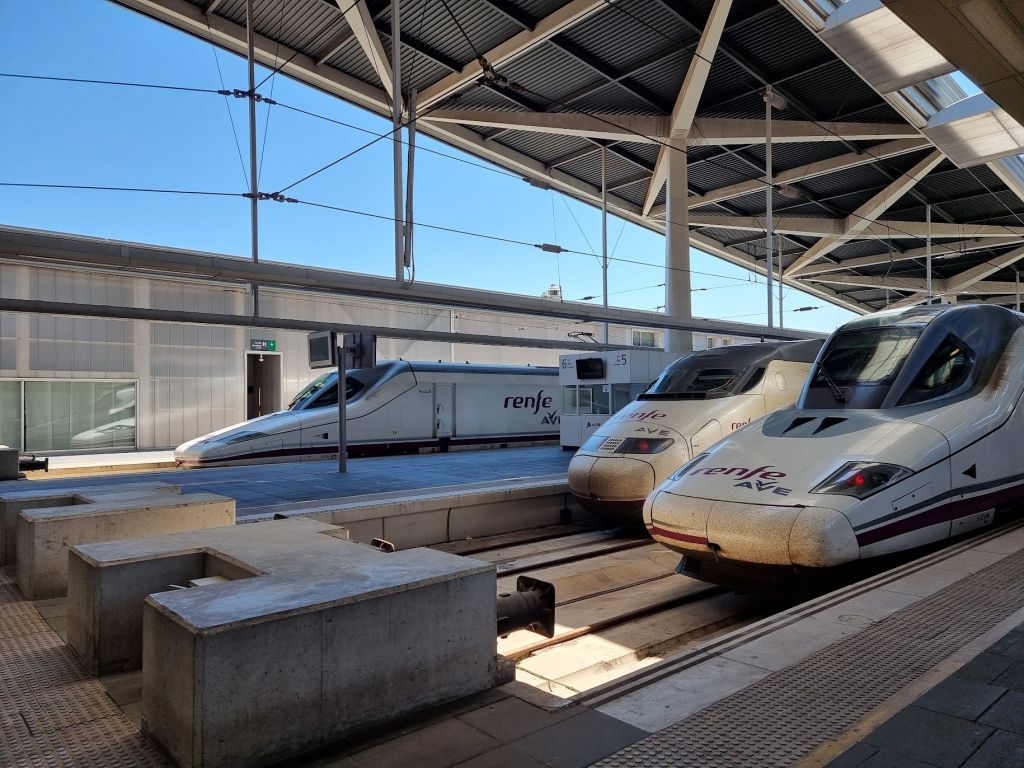
Spain has reopened the high-speed rail link between Madrid and Malaga after a six-month closure for major infrastructure works, restoring one of the country’s busiest tourist and business corridors. Services resumed this week with full operations on the AVE network, reconnecting the capital with the Costa del Sol.
The line had been suspended to allow upgrades to track, signalling and power systems aimed at improving reliability and increasing capacity. Rail operator Renfe has reinstated multiple daily departures, with journey times returning to around 2 hours and 30 minutes.
The reopening comes ahead of the peak summer travel season, when demand for coastal destinations typically rises sharply. Authorities say the improved line will support higher passenger volumes and reduce the risk of delays during periods of heavy use.
The Madrid–Malaga route is a key part of Spain’s high-speed network, linking Madrid’s Puerta de Atocha-Almudena Grandes station with Malaga Maria Zambrano. It serves both domestic travellers and international visitors heading to Andalusia’s beaches, cultural sites and cruise ports.
During the closure, engineers carried out track renewals along several sections of the line, replaced overhead electrical systems and upgraded signalling to the latest European Rail Traffic Management System standards. The works also included improvements to drainage and embankments to strengthen resilience against extreme weather.
Transport officials say the upgrades allow for smoother operations and more consistent speeds, while also preparing the corridor for future growth. Spain has one of the largest high-speed rail networks in Europe, and the government has prioritised maintaining reliability as passenger numbers recover and expand.
Renfe has restored a full timetable, with frequent daily departures in both directions. Early morning and late evening services are included to accommodate both business travellers and holidaymakers. Operators expect a rapid rebound in bookings following the reopening.
Fares vary depending on demand and booking time, with a mix of standard AVE tickets and lower-cost options available through Renfe’s budget services. Competition from other operators on parts of Spain’s high-speed network has also contributed to broader pricing flexibility in recent years.
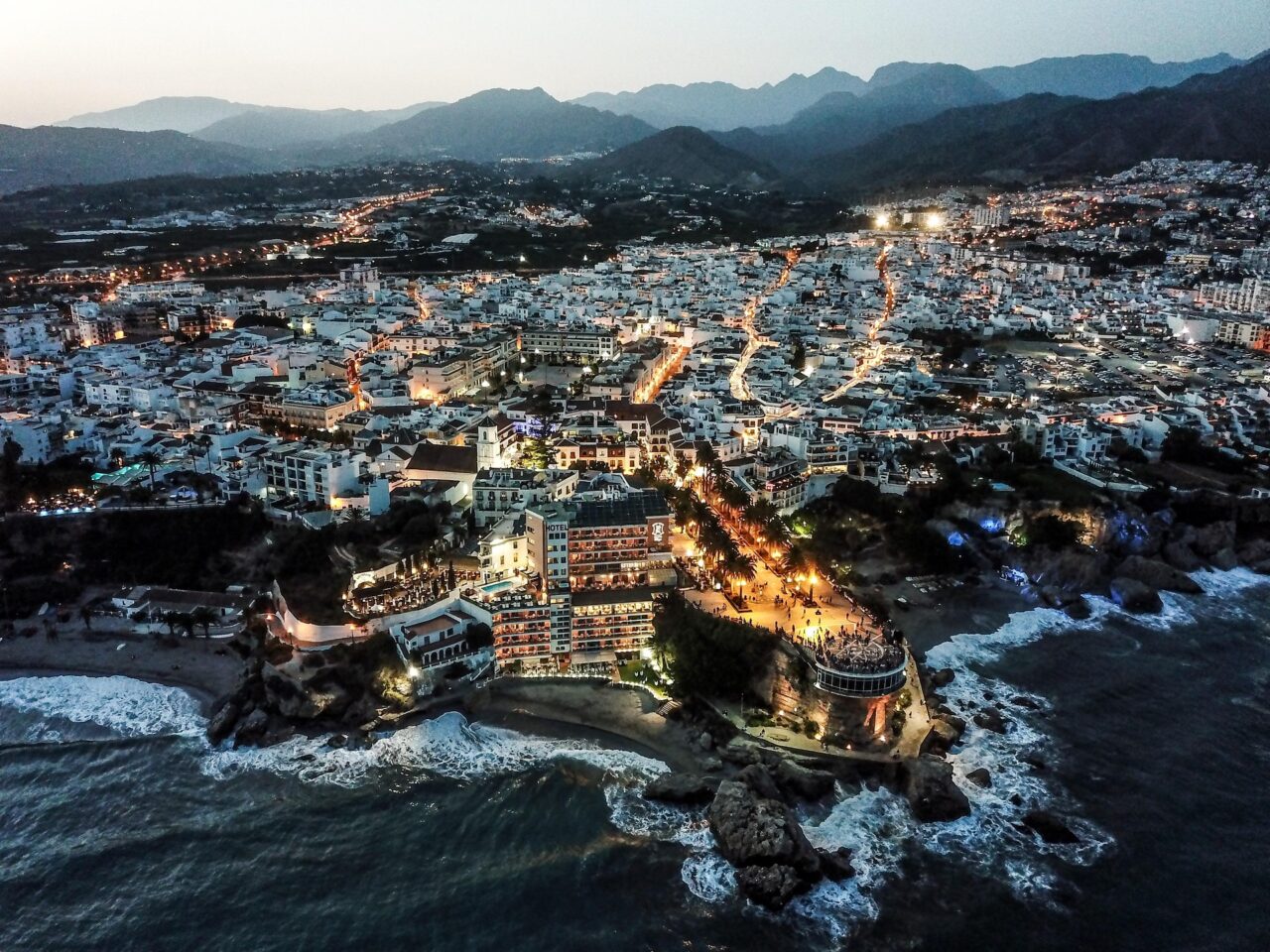
Tourism officials in Andalusia have welcomed the return of the direct link, noting that rail remains a preferred option for many visitors seeking a fast and city-centre to city-centre journey. Malaga is a gateway to resorts across the Costa del Sol, including Marbella, Torremolinos and Nerja.
The line also plays an important role in domestic mobility, connecting Malaga with intermediate cities such as Cordoba, where passengers can transfer to other high-speed routes. Improved connectivity is expected to support regional economies and ease pressure on road and air travel.
Spain has continued to invest in rail infrastructure as part of its broader transport and sustainability strategy. High-speed rail is seen as a lower-emission alternative to short-haul flights, particularly on routes where travel times are competitive.
With the Madrid–Malaga corridor back in service, operators and tourism bodies are focusing on the busy summer period, when trains are expected to run at high occupancy. Travellers are advised to book in advance as demand rises.
The reopening marks the completion of one of the most significant recent maintenance programmes on Spain’s high-speed network, reinforcing the line’s role as a critical link between the capital and southern Spain.