
France has stepped up its regulatory and industrial response to growing tensions with Elon Musk’s satellite network operations, while also facing questions over the resilience of jet fuel supplies at its major airports.
The twin issues have drawn attention from policymakers and the aviation sector, as officials seek to balance digital sovereignty with the operational stability of air travel. Industry analysts say both developments could have wider implications for European transport networks.
French authorities are reviewing the presence and influence of Musk-linked technologies, particularly satellite communications, amid broader concerns about strategic autonomy. At the same time, aviation stakeholders are assessing whether supply chain pressures could disrupt jet fuel availability during peak travel periods.
The scrutiny of Musk’s ventures reflects a wider European push to regulate large technology providers. France has been among the most vocal countries in asserting control over critical infrastructure, including communications networks that may intersect with transport and defence systems.
Officials are examining how satellite-based internet services operate within national frameworks, particularly in relation to licensing, data governance and security. The review comes as reliance on satellite connectivity grows across industries, including aviation, where it supports navigation, communications and passenger services.
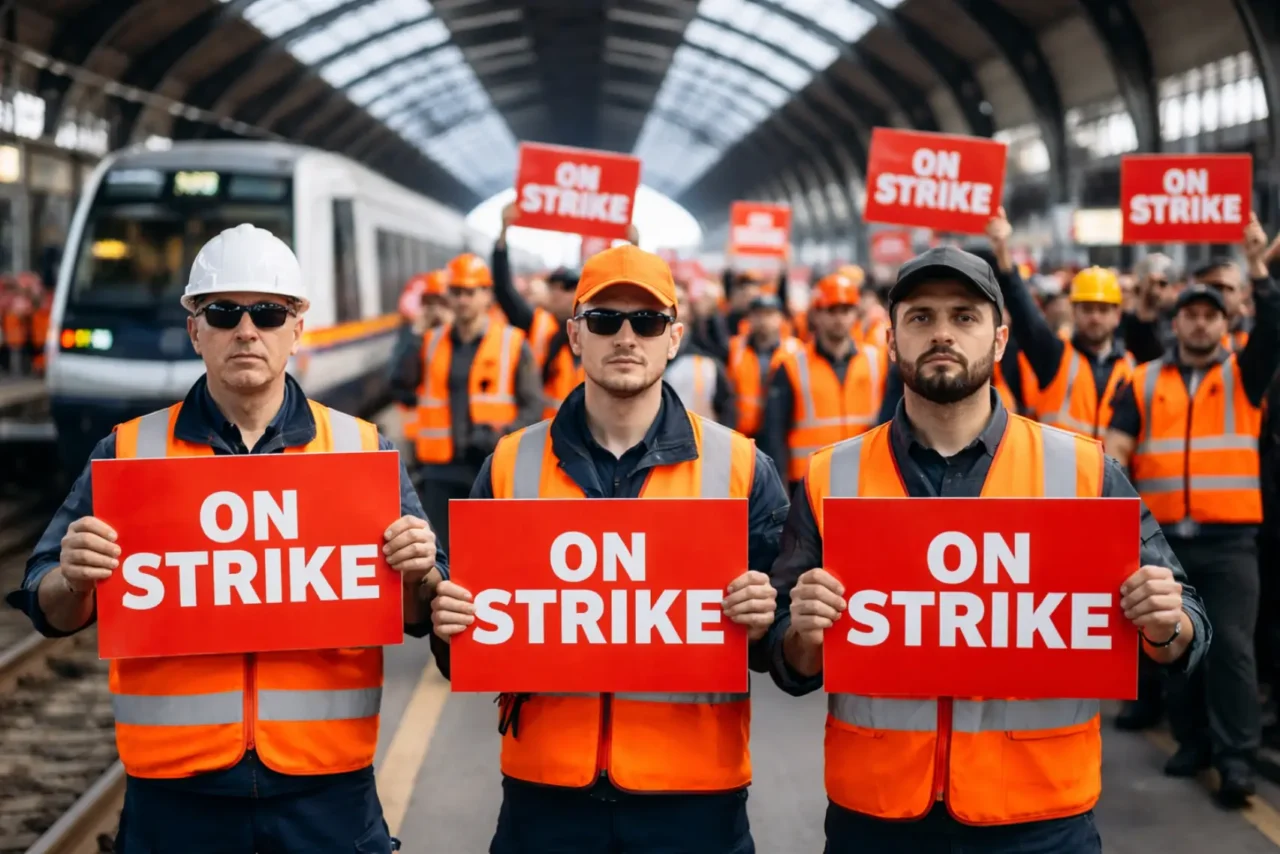
Separately, concerns about jet fuel supply have emerged following reports of logistical bottlenecks and industrial action affecting refineries and distribution networks. France has previously experienced fuel shortages linked to strikes, raising the prospect of disruption at airports if supply chains come under renewed strain.
Airports and airlines are monitoring stock levels closely. Larger hubs typically maintain strategic reserves, but sustained disruptions could place pressure on operations, particularly during high-demand seasons such as summer travel peaks.
The aviation sector depends on a complex supply chain involving refineries, pipelines, storage facilities and road transport. Any disruption along this chain can affect fuel availability, with knock-on effects for flight schedules and ticket prices.
Industry groups have called for contingency planning to ensure continuity of supply. Measures may include diversifying supply routes, increasing storage capacity and coordinating with government agencies during periods of industrial unrest.
The French government has previously intervened to prioritise fuel deliveries to essential services, including airports, during shortages. Such measures could be deployed again if necessary to maintain air traffic and limit disruption to passengers.
Meanwhile, the regulatory stance towards major technology providers is expected to remain firm. France and its European partners continue to develop frameworks aimed at ensuring that foreign-operated infrastructure complies with regional rules and standards.
The intersection of these issues highlights the growing overlap between technology policy and transport resilience. As aviation becomes more digitally integrated, dependencies on external providers increase, prompting governments to reassess risk exposure.
Airlines, airport operators and technology firms are likely to face increased scrutiny as authorities seek to safeguard both connectivity and operational continuity. Observers say the outcome of France’s actions could influence policy approaches across Europe.
For travellers, the immediate impact remains limited. Flights continue to operate normally, and no widespread fuel shortages have been reported. However, the situation is being closely watched, particularly ahead of busy travel periods when demand places additional strain on infrastructure.
Experts note that proactive management of both regulatory and supply challenges will be key to avoiding disruption. Coordination between government, industry and international partners is expected to play a central role in maintaining stability.
As France navigates these parallel challenges, the developments underscore the interconnected nature of modern travel systems, where technology, energy supply and policy decisions increasingly converge.