Dubai’s luxury hotel scene is entering a rare and striking phase – one where some of its most iconic addresses have gone dark at the same time, not in retreat, but in preparation for a high-stakes reinvention.
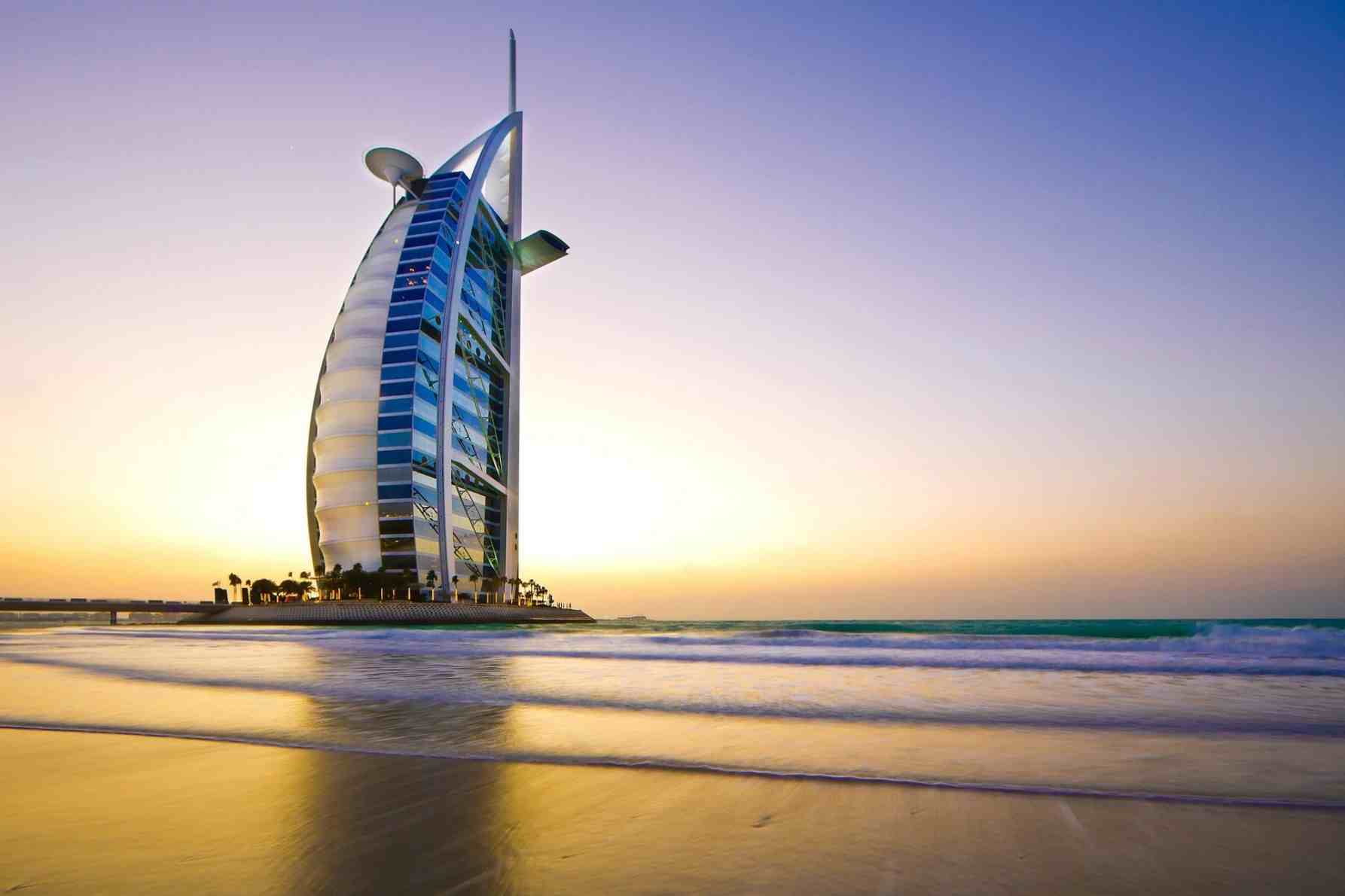
At the centre of the shift is Burj Al Arab, now closed for a major refurbishment – its first transformation of this scale since opening in 1999. For a property long positioned as a global symbol of Dubai’s ambition, the shutdown marks a defining moment, signalling just how far the market is willing to go to stay ahead.
It is part of a wider, city-wide reset.
Inside Burj Khalifa, Armani Hotel Dubai has also closed its doors, pausing operations for a full-scale overhaul that will reshape one of Downtown Dubai’s most recognisable luxury stays. Nearby, JW Marriott Marquis Dubai is undergoing a sweeping renovation across its vast inventory of rooms, lounges and dining venues, while Park Hyatt Dubai prepares to shut as it enters the final stretch of a multi-year transformation along Dubai Creek.
On Palm Jumeirah, St. Regis Dubai The Palm has pressed pause on hotel stays while keeping its high-profile dining venues alive – a calculated move that keeps the brand visible even as the core product is rebuilt. Meanwhile, Radisson Blu Hotel, Dubai Media City is closing ahead of renovation and a planned departure from the Radisson brand in 2027, pointing to deeper repositioning rather than simple refurbishment.
Then comes the more definitive shift. Anantara World Islands Dubai Resort has shut down entirely, bringing an abrupt pause to one of Dubai’s most distinctive private island concepts. The decision, taken by Minor Hotels and its ownership group, reflects the mounting pressure on even high-end, niche developments in a market where expectations – and costs – continue to climb.
What makes this moment unusual is not just the number of closures, but their timing. Multiple flagship properties, across different segments and locations, have stepped back simultaneously. The effect is visible across the city: darkened hotel towers, paused bookings, and some of Dubai’s most recognisable names temporarily absent from the market.
Behind the closures lies a clear strategy. Dubai’s hospitality sector is evolving rapidly, driven by a constant influx of new openings and a global audience that now expects more than traditional luxury. Design, experience, food and social spaces have become as important as rooms themselves. For older properties, standing still is no longer viable.
Instead, operators are choosing to close, invest heavily, and return stronger.
There is also a tactical dimension. With seasonal demand fluctuations and broader geopolitical uncertainty affecting travel patterns, this window offers an opportunity to renovate without prolonged exposure to weaker occupancy. It is, in effect, a pause used for repositioning.
When these hotels reopen – many expected between late 2026 and 2027 – they will not simply return refreshed. They will re-enter a market that is sharper, more competitive and increasingly defined by experience-driven luxury.
For now, Dubai’s skyline tells a different story. Behind closed doors, one of the world’s most dynamic hotel markets is rebuilding itself – setting the stage for its next, more ambitious chapter.