Dubai’s luxury hospitality sector is undergoing a coordinated reset in 2026, as a growing number of high-profile hotels temporarily close, rebrand or undergo extensive refurbishment to stay competitive in one of the world’s most fast-moving markets.
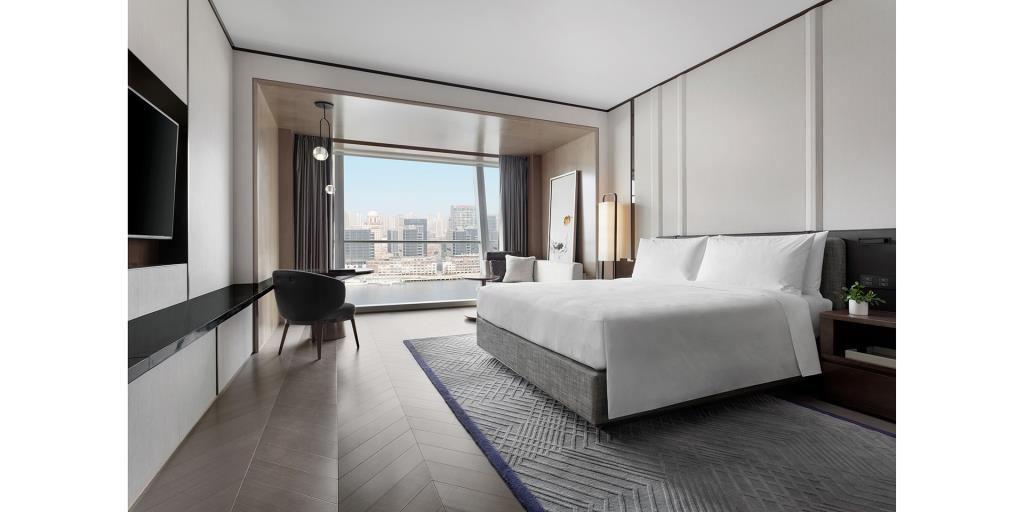
At the centre of this shift is JW Marriott Marquis Dubai, which has confirmed a large-scale renovation programme affecting all 1,608 rooms and suites, as well as two Executive Lounges. The project also includes upgrades to three signature dining venues, alongside plans to introduce a new generation of homegrown food, beverage and lifestyle concepts.
The hotel described the transformation as a “thoughtful evolution”, aimed at delivering experiences that feel more intentional and aligned with changing guest expectations. The scale of the works signals a significant reinvestment strategy, ensuring the property maintains its position within Dubai’s increasingly competitive luxury segment.
But the JW Marriott Marquis is far from alone.
Across the city, several landmark properties are taking advantage of quieter periods to accelerate upgrades. Among them are Burj Al Arab, Armani Hotel Dubai, Park Hyatt Dubai, St. Regis Dubai The Palm and Radisson Blu Dubai Media City – each either temporarily closing rooms, renovating facilities or repositioning their brand offering.
The wave of refurbishment reflects a broader industry trend: legacy luxury assets are being modernised to compete with a steady pipeline of new openings that continue to reshape Dubai’s skyline and hospitality standards.
At the same time, not all changes are transitional. Anantara World Islands Dubai Resort has confirmed it has ceased operations, marking one of the more significant closures in the current cycle. Owned by Seven Tides Ltd. and operated by Minor Hotels, the resort shut its doors on 10 April 2026 following what the company described as “careful consideration”.
Rather than pointing to a single cause, the operator cited a combination of external pressures influencing the decision. While details remain limited, the closure highlights the operational challenges that even high-profile luxury resorts can face in a market defined by high costs, evolving demand patterns and intense competition.
The company stated that its immediate priority is supporting employees through the transition, though it has not disclosed how many roles may be affected.
Taken together, these developments point to a structural recalibration across Dubai’s hospitality sector. Temporary closures for renovation are increasingly part of a long-term strategy, allowing operators to refresh assets, rethink concepts and align with shifting traveller expectations.
In a market where innovation is constant and guest expectations continue to rise, standing still is not an option. Dubai’s latest wave of upgrades suggests that even its most established names are willing to pause, invest and return stronger – reinforcing the city’s position as one of the world’s most competitive luxury hospitality destinations.