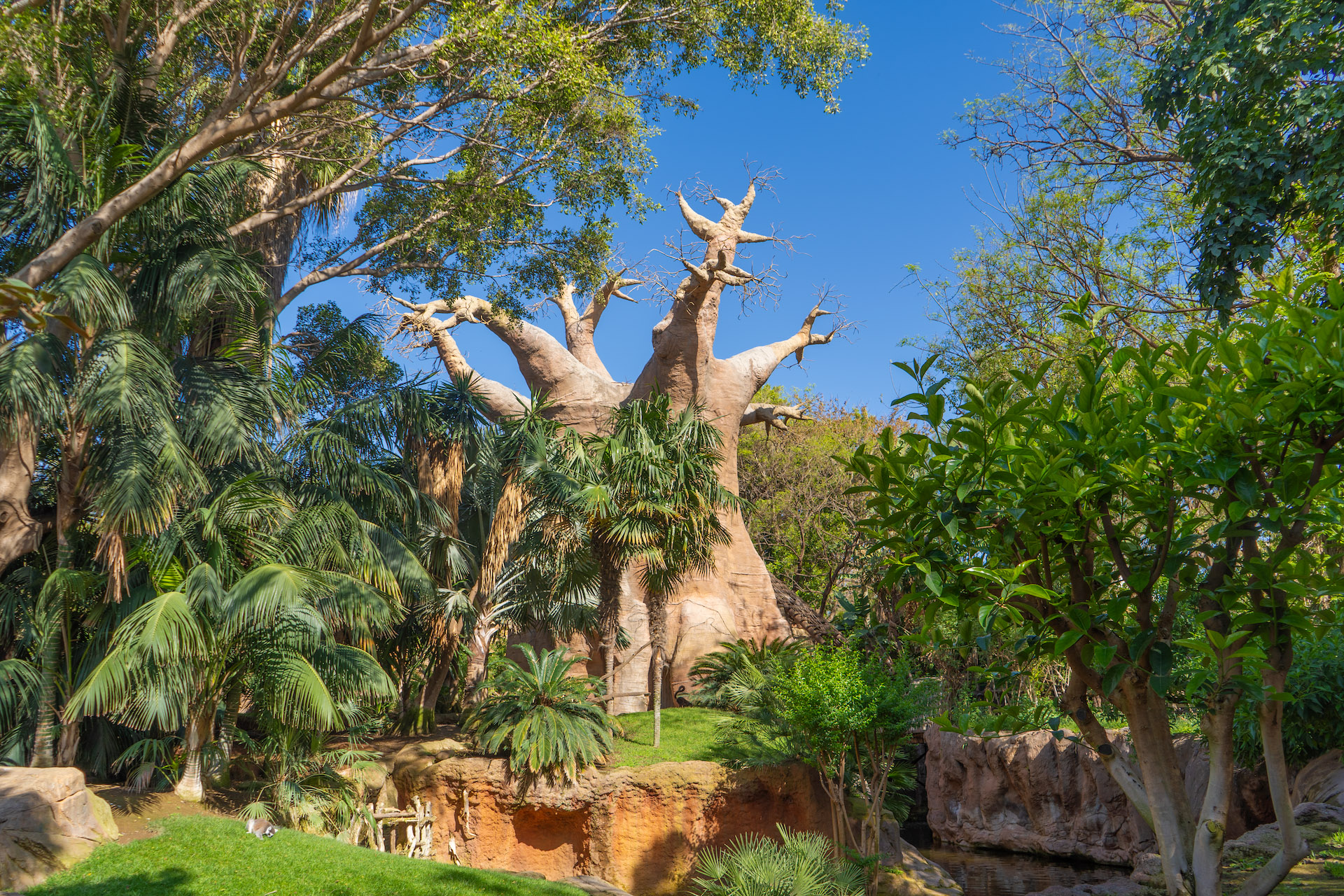
Bioparc Fuengirola is attracting visitors looking for a different kind of getaway on Spain’s Costa del Sol, combining wildlife, conservation and family-friendly experiences in a compact urban setting. The park positions itself as an alternative to traditional beach tourism, offering immersive habitats designed to replicate natural ecosystems.
Located in the town of Fuengirola, the site has become a popular stop for families seeking educational activities alongside leisure travel. Its design focuses on close encounters with animals while promoting awareness of biodiversity and environmental protection.
The park features species from Africa, Asia and Madagascar, including gorillas, orangutans and lemurs, housed in environments that prioritise animal welfare and mimic natural surroundings. Visitors move through recreated जंगल landscapes, with dense vegetation, waterfalls and carefully controlled viewing points.
Bioparc Fuengirola forms part of a broader shift in travel preferences, as more tourists seek experiences linked to sustainability and learning. Rather than traditional zoo layouts, the park uses so-called “zoo-immersion” design, where barriers are hidden and habitats blend into visitor pathways. This approach aims to create a sense of proximity without compromising safety.
Families are a core audience. Interactive elements and educational signage are integrated throughout the park, encouraging younger visitors to engage with conservation themes. Activities often focus on endangered species and the role humans play in protecting ecosystems.
The Costa del Sol has long been associated with sun-and-beach tourism, but regional operators are increasingly diversifying their offerings. Attractions like Bioparc Fuengirola highlight inland experiences that appeal year-round, helping to reduce seasonal pressure on coastal areas.
The park’s layout allows visitors to complete a full circuit within a few hours, making it accessible for day trips. Its central location in Fuengirola also means it can be reached easily by train or road from nearby cities such as Malaga and Marbella.
Conservation remains a central theme. Bioparc Fuengirola participates in international breeding programmes for endangered species and supports projects aimed at habitat preservation. Information panels throughout the park detail these efforts, linking the visitor experience to wider environmental initiatives.
For many travellers, the appeal lies in combining leisure with purpose. Parents often seek destinations where children can learn while being entertained, and wildlife parks that emphasise ethics and sustainability have gained traction in recent years.
Local tourism officials view attractions like Bioparc as part of a broader strategy to reposition the Costa del Sol. By promoting cultural, natural and educational experiences, the region aims to attract a more diverse visitor base beyond peak summer months.
Visitor feedback frequently highlights the park’s design and atmosphere. Shaded pathways and landscaped environments offer relief from high temperatures, while the relatively small size ensures it remains manageable for families with young children.
Bioparc Fuengirola continues to market itself as more than a zoo. Its messaging centres on connection with nature, responsible tourism and the creation of lasting memories. As travel trends evolve, such experiences are becoming an increasingly important part of the global tourism landscape.
Photo: www.bioparcfuengirola.es