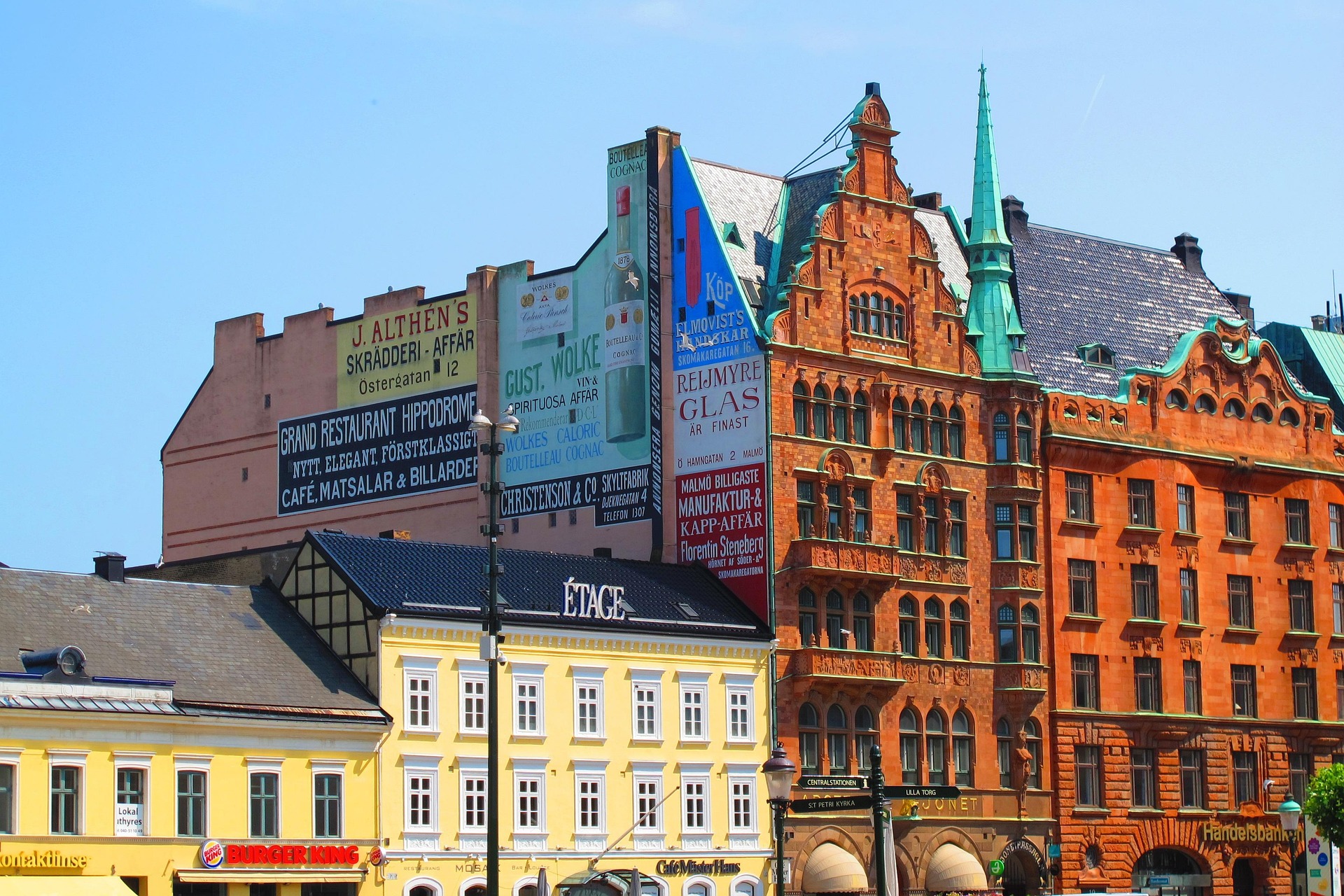
Foreign residents in Malmo are clustering in a handful of neighbourhoods they view as safe, clean and peaceful, according to a recent overview of housing patterns and local feedback. The trend highlights how quality of life factors are shaping where international workers, students and families choose to settle in Sweden’s third-largest city.
Areas in the city’s western and central districts consistently rank highest among non-Swedish residents. Access to parks, proximity to the sea, reliable public transport and low perceived crime all feature prominently in why these neighbourhoods stand out.
City officials and relocation advisers say demand in these districts has remained steady through 2025 and into 2026. Rental competition is strongest in well-connected zones with green space and schools, particularly for long-term lets.
Vastra Hamnen, a redeveloped waterfront district, is frequently cited as a top choice. Known for its modern housing, coastal promenade and swimming areas, it attracts professionals working in technology, research and international firms. Residents value its walkability and access to cycling routes, as well as its reputation for cleanliness and urban design.
Limhamn, further south along the coast, appeals to families seeking a quieter pace. The area combines small-town character with city access, offering local shops, schools and open spaces. New housing developments have expanded options in recent years, helping accommodate a growing international population.
In the inner city, Ribersborg remains popular for its proximity to both the beach and central Malmo. The district’s mix of apartments, green areas and cultural venues draws a broad demographic, including students and mid-career professionals. Its location allows easy commuting within Malmo and across the Oresund Bridge to Copenhagen.
Slottsstaden and adjacent neighbourhoods also feature prominently in relocation guides. Tree-lined streets, historic buildings and access to parks contribute to a perception of calm despite being close to the city centre. Many foreign residents cite a sense of community and everyday convenience as key advantages.
Transport links play a decisive role in these preferences. Malmo’s bus network and regional trains connect residential areas to business hubs and universities, while cycling infrastructure supports car-free commuting. For cross-border workers, quick rail access to Copenhagen Airport is a major factor.
Safety remains a central concern for newcomers. While Malmo has faced periodic challenges with crime in some districts, the neighbourhoods most favoured by foreigners tend to report lower incident levels and higher satisfaction in local surveys. Visible public services, lighting and well-maintained public spaces reinforce perceptions of security.
Cleanliness and environmental quality also influence choices. Coastal breezes, access to waterfronts and investment in public realm improvements contribute to the appeal of western districts. Recycling facilities, green courtyards and energy-efficient buildings are frequently mentioned by residents as part of everyday life.
Housing costs, however, present a constraint. High demand in sought-after areas has pushed up rents and reduced availability, particularly for larger family homes. New arrivals often rely on corporate housing, short-term rentals or waiting lists before securing long-term contracts.
Local authorities say they are working to balance growth with affordability by encouraging development in a wider range of neighbourhoods. Investment in schools, parks and transport in emerging districts aims to spread demand more evenly across the city.
Relocation experts advise newcomers to prioritise transport links and visit areas at different times of day before committing to a lease. They also note that perceptions of safety and calm can vary block by block, making on-the-ground research important.
Despite rising costs, Malmo continues to attract international residents drawn by its coastal setting, connectivity and quality of life. The concentration in a few preferred districts shows how strongly everyday factors such as safety, cleanliness and access to green space shape where people choose to live.