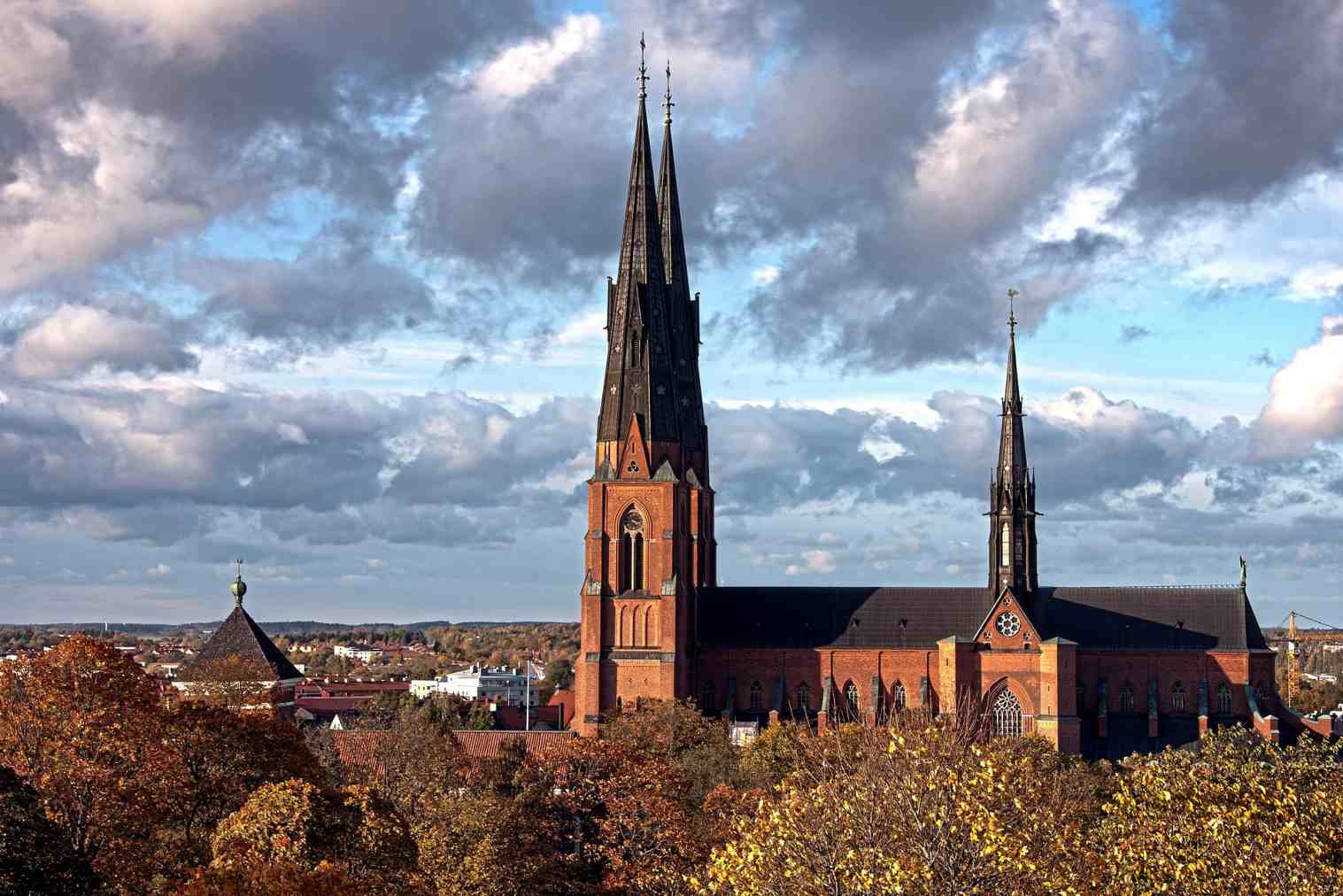
Uppsala reinvents the city break with a focus on curiosity and ideas
Just 40 minutes from Stockholm, the Swedish city of Uppsala is quietly reshaping what a city break can look like. Instead of checklist tourism and packed itineraries, it is offering something more reflective – a travel experience built around ideas, knowledge and curiosity.
The concept, called “IQ Tourism”, positions Uppsala as a destination where visitors are not just observers, but participants in a deeper exploration of culture, history and creativity.
Moving beyond traditional sightseeing
City breaks across Europe have long been defined by speed – landmarks ticked off in rapid succession, itineraries optimised for efficiency. Uppsala is moving in the opposite direction.
Drawing on trends such as slow travel, bleisure and coolcation, the city is crafting a more cohesive experience that prioritises meaning over movement. Here, the journey is less about how much you see and more about how you engage with what you discover.
Instead of rushing between monuments, visitors are encouraged to slow down, follow their curiosity and immerse themselves in ideas that unfold across the city.
A city shaped by knowledge
At the heart of this transformation is Uppsala University, one of Europe’s oldest universities, founded in 1477. For centuries, Uppsala has been a centre of scientific thought and intellectual exchange.
This academic heritage now becomes part of the visitor experience. The city’s identity as a place of learning is no longer confined to lecture halls – it spills into streets, museums and cafés, creating a living environment where history and innovation intersect.
Experiences designed to spark curiosity
“IQ Tourism” brings together more than 60 curated experiences that invite visitors to explore ideas rather than simply visit places.
Some experiences turn the city into a puzzle – book recommendations revealed through coded clues, or alternative historical narratives that challenge familiar stories. Others engage the senses, such as creating fragrances inspired by storytelling or uncovering hidden layers of the urban landscape.
Conversation also plays a central role. Uppsala’s café culture becomes a space for dialogue, where encounters and exchanges are part of the journey itself.
These new experiences are complemented by cultural landmarks such as Gustavianum, alongside contemporary creative spaces like Cube of Art, blending tradition with experimentation.
A new perspective on the city
One of the most symbolic elements of the concept is a mobile observation tower. Unlike traditional viewpoints designed to highlight iconic skylines, this structure encourages visitors to look closer – to focus on overlooked details, hidden stories and unexpected perspectives.
It reflects a broader shift in how destinations are evolving. The value of a place is no longer defined solely by its landmarks, but by the narratives it can offer.
A model for the future of city travel
Uppsala’s approach signals a wider transformation in urban tourism. As travellers increasingly seek depth, meaning and personal connection, destinations are beginning to respond with more narrative-driven experiences.
“IQ Tourism” is not just a local initiative – it is a framework that could influence how city breaks are designed across Europe. For tour operators and travel planners, it offers a blueprint for creating programmes that prioritise storytelling, engagement and intellectual discovery.
In Uppsala, the city break is no longer about seeing more. It is about thinking more.