For years, water managers have faced a growing mystery in the American West: why does the Colorado River deliver less water than expected, even after strong snowfall winters?
Now, scientists say they have the answer – and it’s not evaporation or disappearing snow. The water isn’t vanishing. It’s being taken up by plants.
New research from the University of Washington shows that vegetation is increasingly absorbing snowmelt before it ever reaches rivers, reshaping how water flows across one of the most critical river systems in North America.
A river under pressure
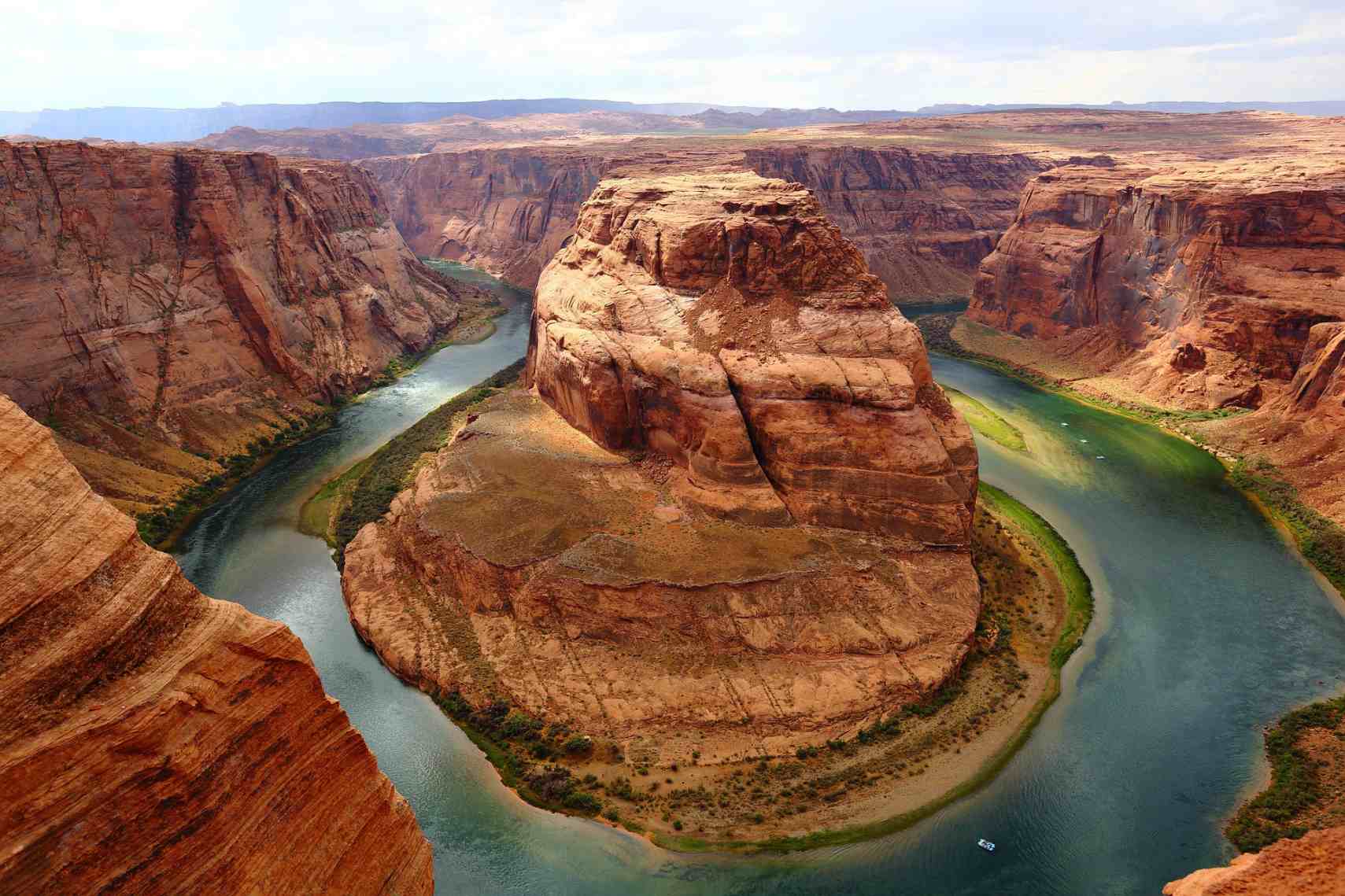
The Colorado River supplies water to seven U.S. states and Mexico, supporting tens of millions of people, agriculture and hydropower. Much of that water begins as mountain snowpack, which melts in spring and feeds rivers downstream.
For decades, measuring snowpack in early April gave a reliable forecast of how much water would flow into the river. But since around 2000, those predictions have repeatedly come up short.
Even in years with solid snow accumulation, actual river flows have been significantly lower than expected.
The real reason: warmer, drier springs
According to the study, published in Geophysical Research Letters, the biggest factor is not winter snow – but what happens in spring.
Warmer temperatures and reduced rainfall are changing how ecosystems behave. With less rain, plants depend more heavily on snowmelt for water. At the same time, clearer skies bring more sunlight, accelerating plant growth and increasing water demand.
The result is a major shift: instead of flowing into streams, a large portion of melted snow is absorbed by vegetation.
Researchers estimate that these spring conditions explain nearly 70% of the gap between predicted and actual river flows.
Plants acting like natural pumps
Scientists describe plants as “giant straws,” drawing water from the soil and releasing it back into the atmosphere through transpiration.
From grasses to trees, vegetation is effectively intercepting water that would otherwise feed rivers.
Earlier theories suggested processes like sublimation – where snow turns directly into vapor – might explain the losses. But the study found this accounts for only about 10% of the missing water.
The dominant factor is biological, not physical.
Evidence across the basin
To confirm the findings, researchers analyzed 26 headwater basins across the Upper Colorado River Basin, using data stretching back to 1964.
The pattern was consistent: in years with less spring rainfall, streamflow declined.
Lower-elevation areas were hit hardest. Snow melts earlier there, giving plants more time to grow and absorb water before it can reach rivers.
Why this matters now
The findings come as the Colorado River faces long-term strain from climate change, population growth and ongoing drought conditions – often referred to as the “Millennium drought,” which began around 2000.
Understanding where the water is going is critical for future planning.
The study suggests that traditional forecasting methods, focused heavily on snowpack, may no longer be enough. Instead, scientists and policymakers will need to account for changing spring conditions and ecosystem behavior.
A new reality for water management
The takeaway is clear: the Colorado River isn’t just losing water to heat – it’s losing it to life.
As springs become warmer and drier, plants are playing a bigger role in reshaping water availability across the West. And as climate patterns continue to shift, this hidden process could become even more significant.