
I’ve arrived in Bristol more than once, and the moment I remember most clearly has nothing to do with the flight or the hotel itself. It’s the stretch of time between picking up the bags and finally sitting down somewhere quiet.
On one trip, we landed in the early evening. The flight was fine. Baggage was quick. And then everyone just stopped wanting to think. Not because anything went wrong, but because decision‑making had run out. Where to go next felt heavier than it should have.
That’s when I realised how much the first hour decides the mood of the whole trip. If that hour is calm, Bristol feels easy. If it’s messy, even small things start to irritate you.
I’m writing this from that point of view. Not as a guide repeating standard advice, but as someone who has arrived here, made small mistakes, and learned which choices actually make the day smoother.
Arriving at Bristol Airport: What It’s Like When You Land
Bristol Airport feels almost misleading at first. You step off the plane, and everything is calm. The terminal is compact. You don’t walk far. In most cases, you reach baggage claim before your body fully switches out of travel mode.
That calm doesn’t last long. Once the bags are in your hands, the airport turns into a decision point. People pause. Phones come out. Someone asks where to stand. Someone else walks ahead. This is where small confusion starts, especially if you’re travelling as a group.
I remember one arrival where we lost each other without actually being late or rushed. One person stepped outside to look for transport. Another stayed near the exit. Five minutes later we were calling each other from opposite sides of the building. Since then, I always stop everyone first and agree on one place to stand. It’s not clever, but it avoids unnecessary tension.
Another thing that surprised me the first time is how the drive into Bristol feels. On a map, the airport looks close to the city. In practice, the road is slower than expected, especially later in the day. Traffic and hills stretch the journey just enough to matter when you’re already tired.
With kids, speed matters less than comfort. A short delay feels much longer if nobody has water or a clear idea of what happens next. I’ve learned to sort that before leaving the terminal rather than while waiting.
Before heading out, I always check two things: the time we landed and the exact location of where we’re staying. Late arrivals and hotels outside the centre change which option feels sensible. Knowing that upfront saves you from second‑guessing yourself outside the doors.
Taxis or Public Transport: How I’d Decide With a Family
Public transport from Bristol Airport works well in the right situation. If you land during the day, travel light, and stay near the centre, it can be a perfectly good option. Many people do this without any issues.
Family travel is different. Bags are heavier. Kids get tired quickly. Every extra step feels bigger than it looks on paper. In those situations, a direct ride often makes more sense.
This is where booking a Taxi to Bristol Airport can be the simplest choice. Not because it’s special or luxurious, but because it removes decisions when you’re least interested in making them. You leave the terminal, load the bags once, and go straight to your address.
Group size matters here. A standard car can feel tight for four or five people with suitcases. An MPV gives you space to sit properly and fit everything without stress. If you’re travelling with a stroller, extra boot space makes a real difference.
Public transport still has its place. I’d choose it if I were travelling alone or as a couple, had light luggage, and arrived earlier in the day. I’d avoid it if we landed late, had heavy bags, or still had a long walk at the end of the journey.
One thing that surprises many visitors is the last part of the trip. Even if the bus gets you into Bristol, your hotel might still be a 10–20 minute walk away. Uphill walks with luggage are rarely how people imagine starting a holiday.
Where to Stay in Bristol Without Overthinking It
You don’t need to memorise neighbourhood names to choose a good place to stay in Bristol. It’s easier if you think about how you want your days to feel.
For first‑time visitors and families, the city centre and harbourside area are usually the easiest choice. You can walk to many places, find food without planning ahead, and avoid constant transport decisions. It keeps the trip simple.
Clifton is another popular option, especially for families who like quieter streets and a more classic look. It’s a pleasant area, but the hills are real. If you’re pushing a stroller or carrying shopping bags, you’ll notice them.
Business travellers often benefit from a less exciting choice. Staying close to meetings saves time and energy. A stylish hotel across town looks good online, but long commutes can quietly ruin short trips.
When travelling with children, practical details matter more than photos. A slightly larger room gives everyone space. Breakfast included saves time in the morning. Lifts matter if you have a stroller. Quiet rooms matter if your child wakes easily.
I learned this the slightly annoying way: hotel prices in Bristol can jump without warning. I once checked the same place twice within a couple of days. Same room, same photos, nothing new added — the price was noticeably higher. Since then, I always check a second date before booking. If your schedule allows it, shifting your stay by even one day can quietly improve both price and quality.
What to Do Once You’re Settled: A Calm First Day Plan
Once you’ve dropped your bags and closed the door behind you, Bristol changes character. The tension from travel fades quickly if you don’t rush to fill the day. This city rewards slower starts.
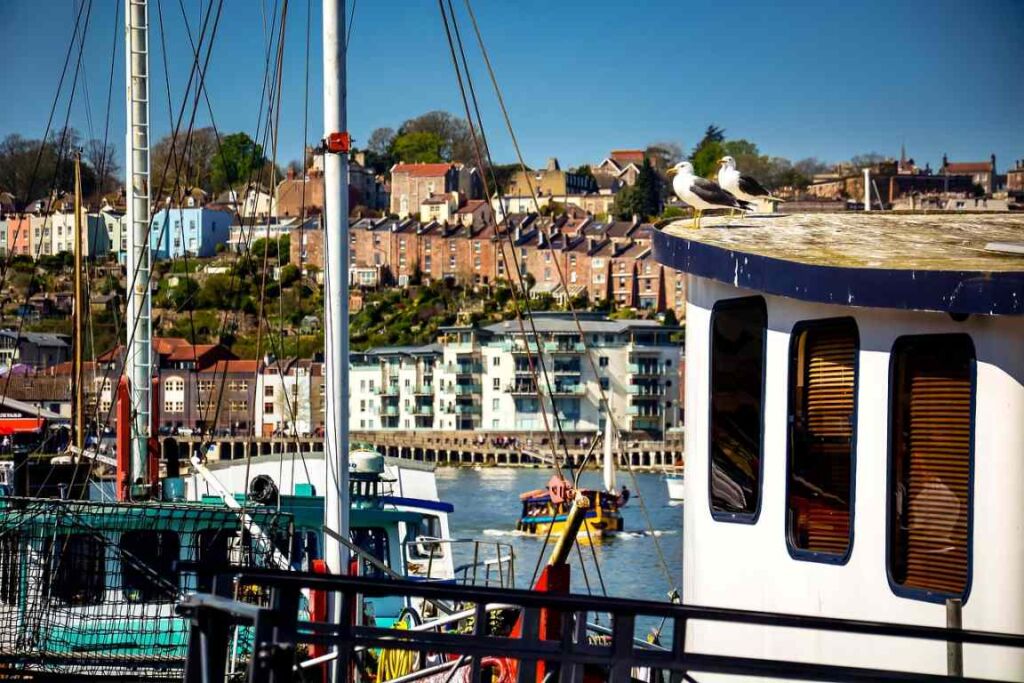
With family, I’ve found the harbourside to be the easiest first move. Not because it’s famous, but because it works. There’s space to walk, places to stop, and no pressure to keep moving. Kids drift along at their own pace, and adults get a sense of the city without trying too hard. It’s where travel tiredness finally loosens its grip.
Clifton works well later in the day, especially if you want to see a quieter, more residential side of Bristol. I treat it as a short visit rather than a mission. A walk, a view, maybe dinner nearby — that’s enough. Trying to squeeze too much in here usually backfires, especially after a long day.
On business trips, my approach is even simpler. After meetings, I rarely cross the city unless I have a reason. A short walk near the hotel, a decent meal, and an early night often leave a stronger impression than chasing landmarks.
If you’re staying more than a couple of days, Bristol becomes a very practical base. Day trips nearby break the rhythm and give children something new without the hassle of packing up again.
Here’s the takeaway I wish I’d followed earlier: the first day doesn’t need to prove anything. Choose the option that lets you settle, eat, and sleep without friction. When the start is calm, Bristol opens up naturally on its own terms.