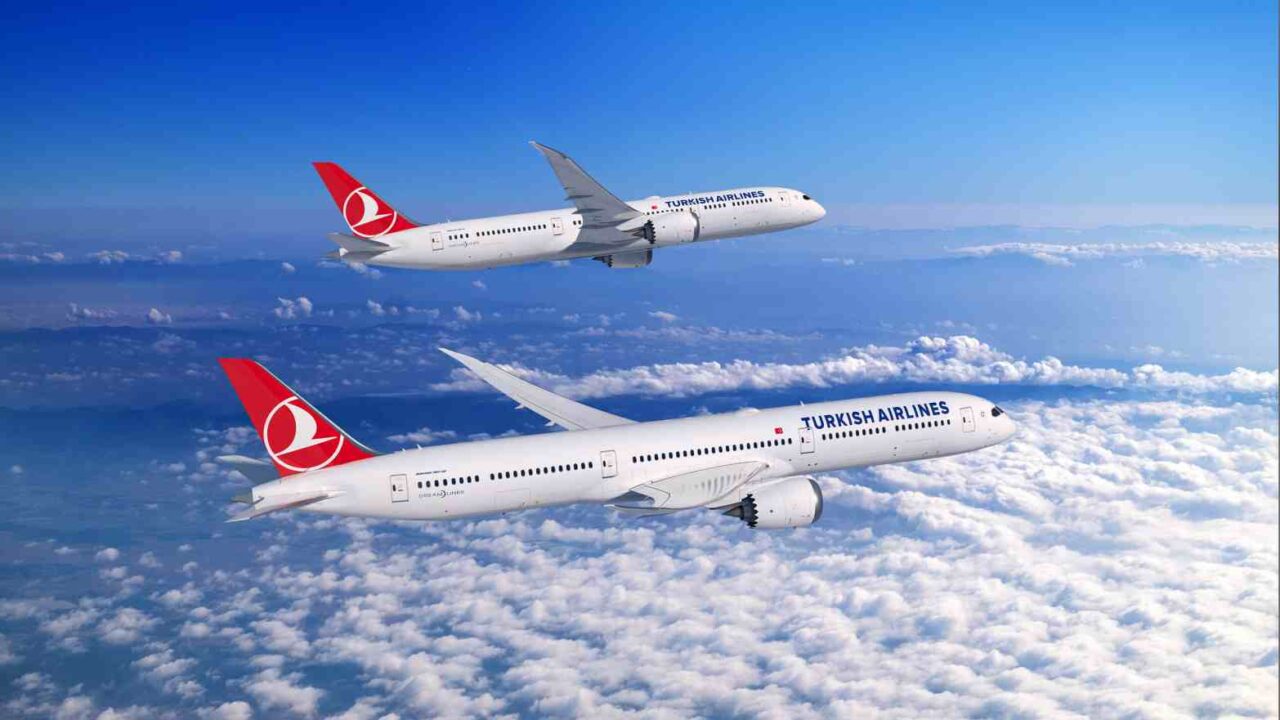
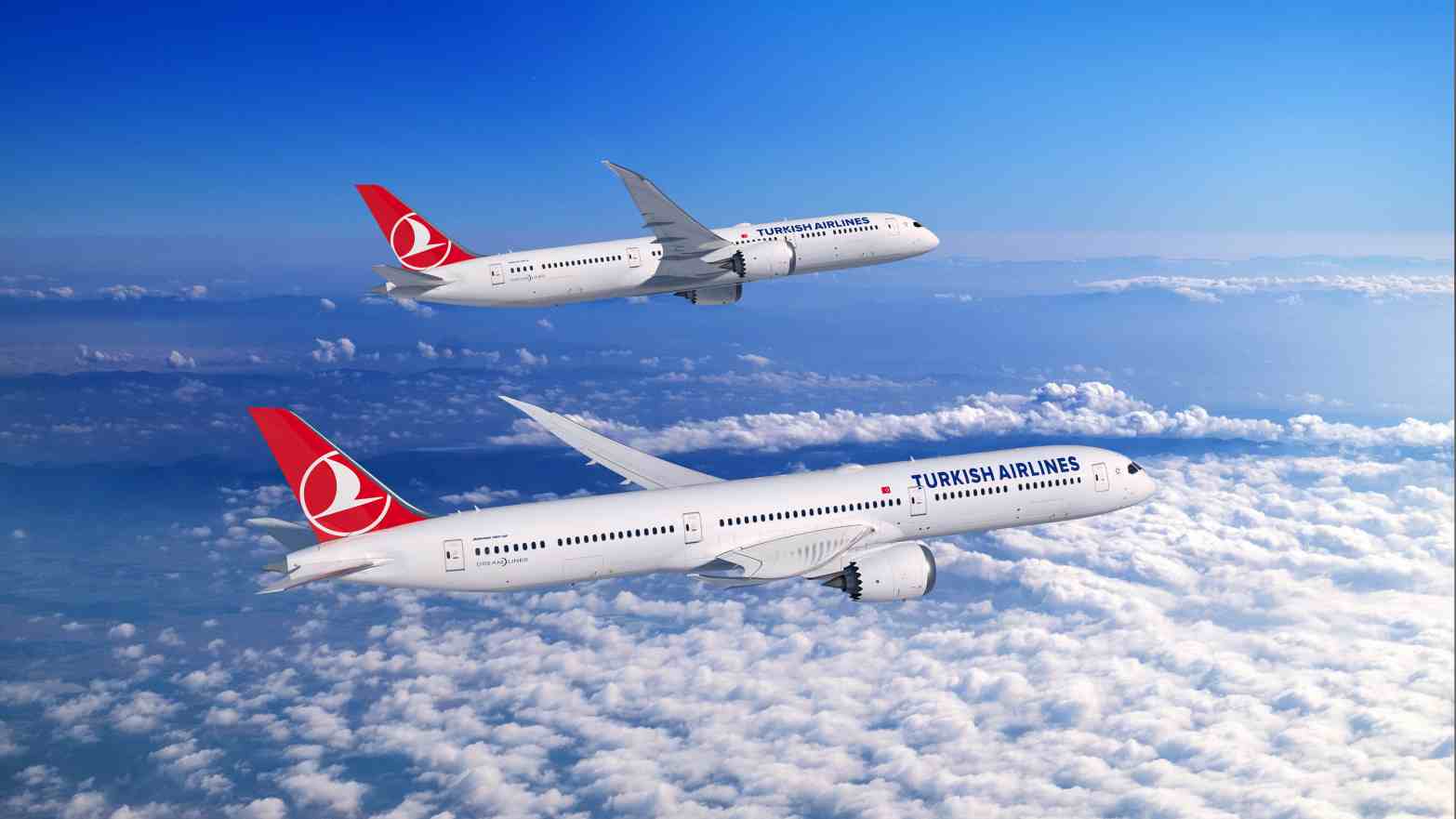
Southwest Airlines is continuing its gradual shift toward global connectivity, announcing Turkish Airlines as its newest interline partner. The agreement marks the largest partnership of its kind for Southwest to date and signals a further departure from the carrier’s long-standing avoidance of cross-airline collaborations.
Under the new arrangement, single-ticket itineraries combining Southwest and Turkish Airlines flights will become available early next year through Turkish Airlines’ own sales channels and selected travel agencies. A specific launch date has not yet been confirmed.
Initially, joint itineraries will not be bookable via Southwest’s website or mobile app. The airline has acknowledged that it is still developing the technological infrastructure required to support bookings involving partner carriers. Until that capability is in place, distribution will remain limited to external channels.
Turkish Airlines brings scale and global reach
Turkish Airlines operates flights from Istanbul to 14 destinations in the United States, of which 10 will be included in the interline partnership with Southwest. This makes Turkish Airlines by far the largest and most globally connected carrier to join Southwest’s growing interline network.
The partnership provides Southwest passengers with streamlined access to Turkish Airlines’ extensive long-haul network via Istanbul, while Turkish Airlines customers gain onward connectivity across Southwest’s large domestic U.S. route map.
For Southwest, the agreement represents a significant expansion in international reach without the need to operate long-haul aircraft or establish overseas bases.
A strategic shift for Southwest
The Turkish Airlines deal builds on a series of interline partnerships Southwest has launched over the past year, marking a notable evolution in the airline’s strategy.
In 2025, Southwest began interlining with Icelandair, EVA Air, China Airlines, and Philippine Airlines, formally ending its decades-long policy of avoiding cross-carrier partnerships. A further agreement with German leisure carrier Condor is scheduled to begin on 19 January.
Together, these partnerships suggest a deliberate move toward selective global integration, allowing Southwest to offer international connectivity while preserving its core low-cost, point-to-point operating model.
Technology and timing remain key constraints
While the pace of new partnerships has accelerated, Southwest’s distribution capabilities remain a limiting factor. The absence of partner bookings on its own digital platforms highlights the complexity of integrating global airline systems into Southwest’s traditionally closed ecosystem.
Industry observers note that once Southwest enables partner bookings directly through its website and app, the airline’s interline strategy could become significantly more competitive, particularly for U.S. travellers seeking seamless connections to Europe, Asia, and the Middle East.
A broader signal to the market
The addition of Turkish Airlines underscores a broader shift in how Southwest views its role within the global aviation landscape. Rather than competing directly with legacy network carriers on long-haul routes, the airline is positioning itself as a powerful domestic connector within international itineraries.
As Southwest continues to add partners and refine its technology, its interline network is beginning to resemble a lightweight global alliance, built around flexibility rather than formal membership structures.