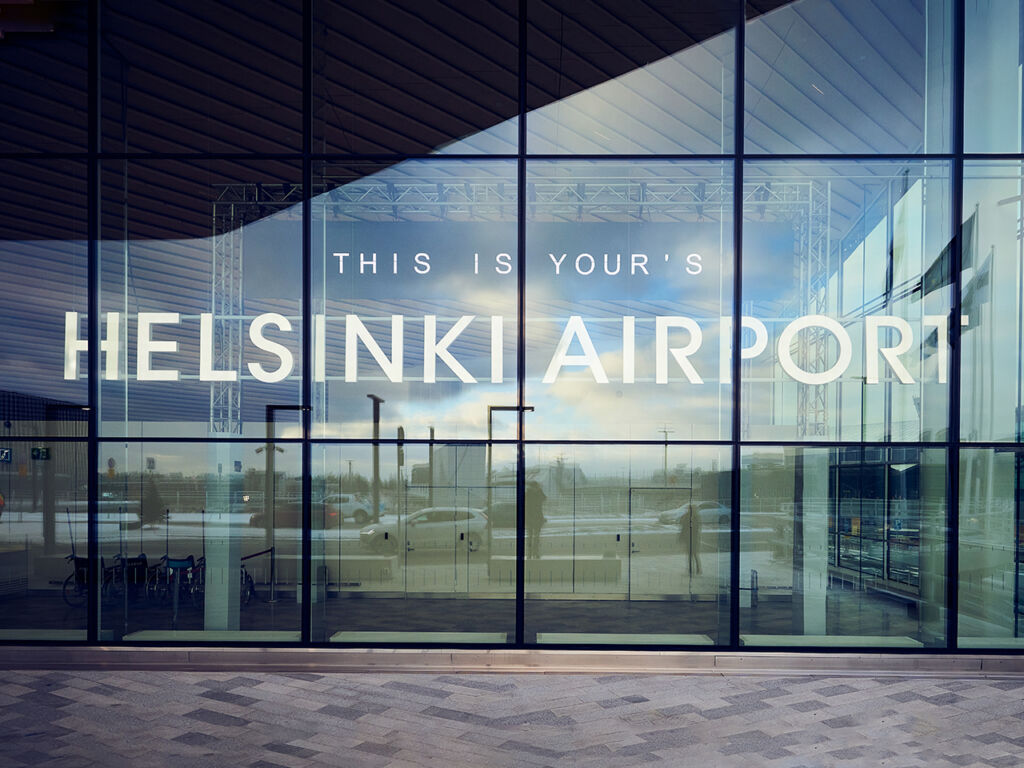
Finavia has confirmed that the renovation of runway 2 (15/33) at Helsinki Airport will be completed on schedule, with all three runways back in use from 1 September 2025. The extensive refurbishment ensures that the runway will remain in good condition for years, strengthening the airport’s position as a major Northern European hub.
“Runway renovations are part of life cycle management of critical airport infrastructure, enabling airlines and runway users to operate in a safe and efficient environment,” said Jani Elasmaa, Director of Prom and Runway at Helsinki Airport.
A €30 million upgrade
The €30 million project focused on the runway’s southern end, its taxiway connections, and new approach systems. Finavia also modernised the entire field lighting system, bringing significant energy savings. Alongside the main works, stormwater systems and electricity infrastructure were renewed.
Sustainability played a key role in the project. Recycled asphalt was used to reduce the need for new raw materials, while aggregates from the site were repurposed in runway structures and fill layers. This approach lowered emissions, cut transport costs, and reduced environmental impact.
Noise and traffic impact
When runway 2 reopens, flight operations will return to a three-runway system. This will redistribute air traffic noise, with some departures resuming from runway 15 over Tikkurila and northern Helsinki, and evening landings taking place from the Nurmijärvi direction.
Although finishing works will continue in the surrounding areas through autumn, Finavia says these will have no impact on smooth passenger operations.
Built for Finnish conditions
Runway durability is a central concern for Finavia. Surfaces must withstand harsh winters, repeated freeze–thaw cycles, snow clearance, de-icing chemicals, and heavy summer traffic. The materials used in Helsinki’s runways are carefully selected to endure extreme conditions and the constant load of widebody aircraft.
By reopening its third runway, Helsinki Airport will not only boost operational efficiency but also underline its commitment to sustainability and long-term safety in one of Europe’s most challenging climates.