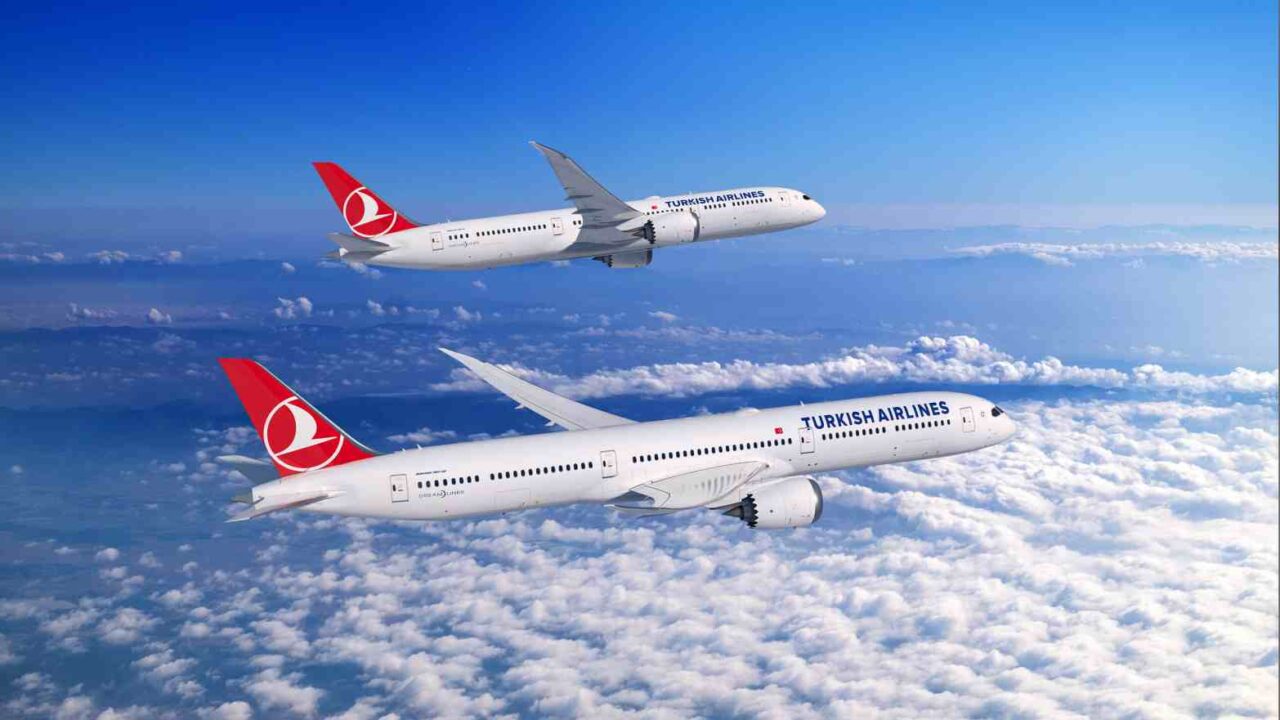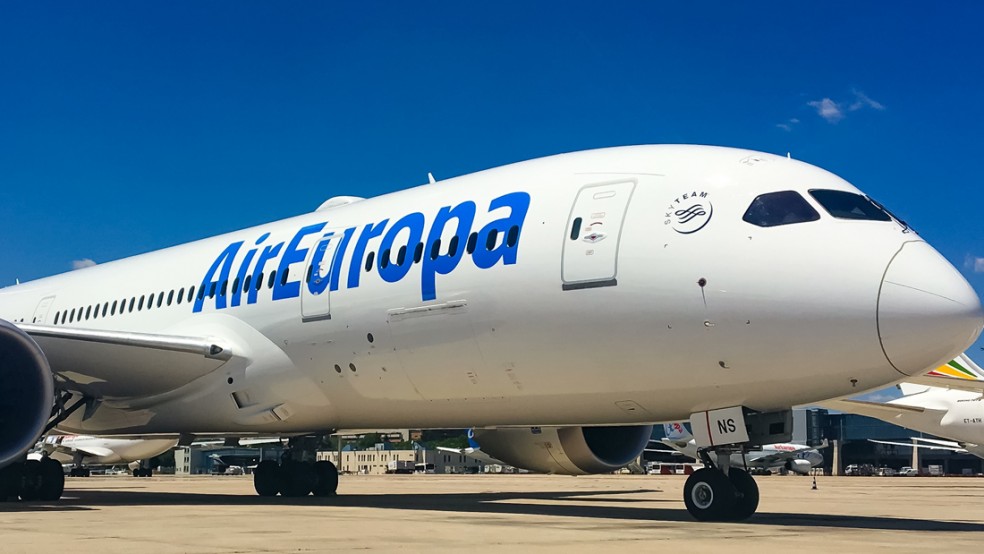
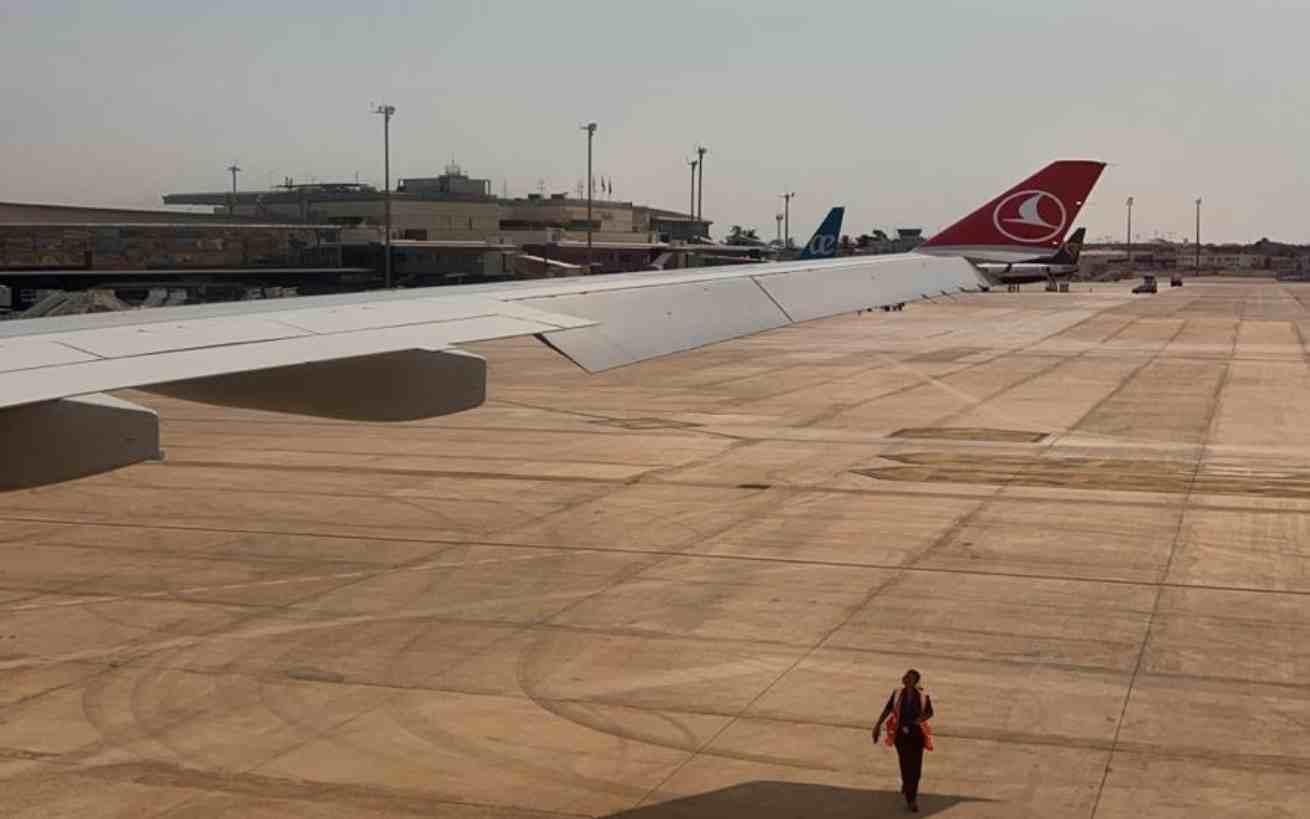
Air Europa’s new strategic partnership with Turkish Airlines is set to ripple across the Iberian Peninsula, with Madrid emerging as an even stronger hub for long-haul connectivity. For Portugal, the development could mean new indirect opportunities for travelers—even though Air Europa’s direct footprint in the country remains limited.
The Spanish carrier currently links Madrid with Porto, while Lisbon routes remain dominated by TAP Air Portugal and other European competitors. That modest presence has long left Portugal in the shadow of Air Europa’s core network. But the €275–300 million investment from Turkish Airlines, which secures a 26–27% stake in the company, changes the landscape.
The deal is designed to shore up Air Europa’s balance sheet—paying down pandemic-era debt and unlocking fleet expansion—but its real significance lies in connectivity. Turkish Airlines brings the world’s largest country network to the table, with more than 350 airports served directly and over 500 through codeshares. Coupled with Air Europa’s dominance on Spain–Latin America routes, the partnership creates a transcontinental bridge linking Istanbul, Madrid, and beyond.
For Portuguese passengers, that translates into easier one-stop itineraries to Latin America, the Middle East, and Asia via Madrid. With Air Europa consolidating its role in Porto and potentially deepening codeshare ties, the Turkish partnership could offer alternatives to TAP’s Lisbon-focused network.
Competition, however, is heating up. IAG—the parent of Iberia and British Airways—already dominates the Iberian skies and may need to reinforce its strategy to defend market share on transatlantic routes. Regulators in Brussels and Madrid will also scrutinize the deal closely, wary of consolidation that could tilt competition in a market already prone to rivalries.
The outcome could reshape travel options for Portuguese fliers. While no new direct Air Europa routes to Lisbon are confirmed, the strengthened Madrid hub could make the Spanish capital an even more attractive gateway—just as TAP seeks to assert Lisbon as the natural entry point to Europe from Latin America and Africa.
What emerges is a high-stakes tug of war over Iberia’s skies, with Turkish Airlines now firmly on the board. For Portugal, the real impact may not be about new routes, but about choice—and whether the balance of power in long-haul travel shifts east toward Madrid and Istanbul.