A tragic aviation accident has struck Russia’s Far East, where an ageing Antonov An-24 turboprop operated by Angara Airlines crashed while approaching Tynda Airport, with no survivors reported. Russian authorities have confirmed that all passengers and crew perished, according to initial assessments.
The flight was en route from Khabarovsk to Blagoveshchensk to Tynda, a regional route in the remote Amur Region. TASS, Russia’s state-run news agency, reported that a Mi-8 helicopter dispatched to the crash site saw no signs of survivors from the air. Rescue efforts have been severely hampered by mountainous terrain, heavy fire, and continued blazes at the wreck site, preventing teams from landing.
Conflicting Passenger Numbers and Aircraft Age Raise Concerns
There remains some confusion over the number of people aboard. Russia’s emergency services stated the aircraft carried 40 passengers and six crew, while the Governor of the Amur Region reported 43 passengers and six crew, bringing the possible total to 49 people.
The An-24 aircraft involved in the crash was reportedly nearly 50 years old, with an airworthiness certificate extended until 2036—a detail that’s drawing renewed attention to the use of ageing aircraft in Russia’s regional fleet. Social media footage has surfaced showing the charred wreckage, adding weight to reports that the aircraft caught fire during descent.
According to preliminary reports, the aircraft initiated a go-around maneuver during its approach before losing contact with air traffic controllers. A go-around is typically performed if a landing cannot be safely completed, often due to poor visibility, technical issues, or runway obstruction.
Angara Airlines and the An-24 Legacy
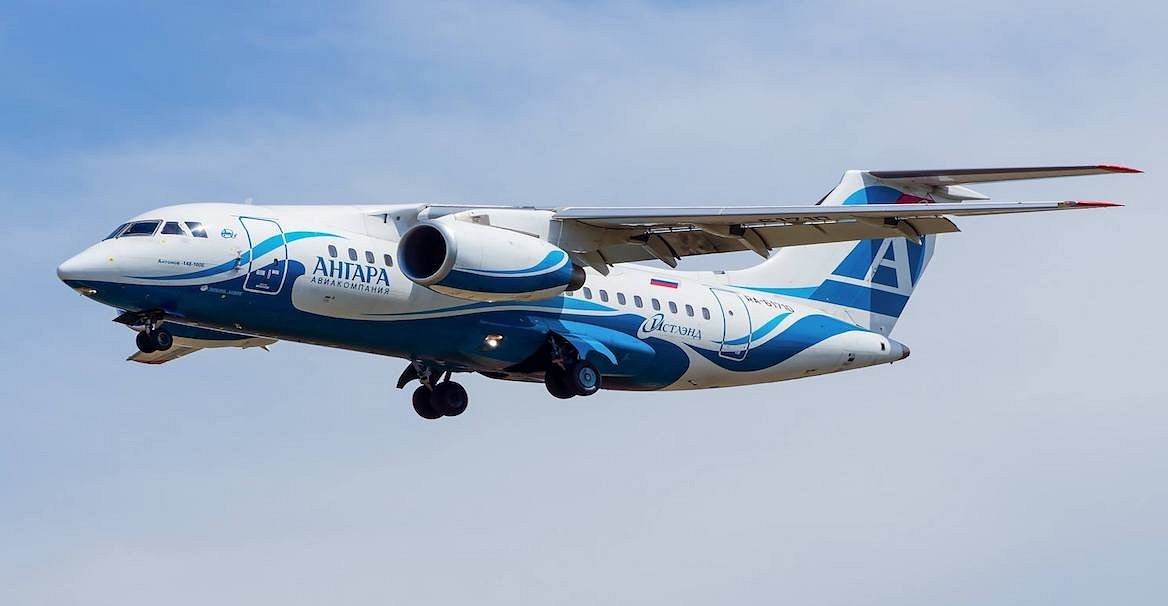
Angara Airlines, based in Irkutsk and founded in 2000, operates mainly within Siberia and the Russian Far East, servicing remote communities with a fleet of Soviet- and Russian-built aircraft. Its current inventory includes seven An-24s, five An-148s, and several AN-26s, AN-2s, and Mi-8 helicopters.
The Antonov An-24, developed in the late 1950s and introduced into service in the early 1960s, has long served as a regional workhorse across the former Soviet Union and beyond. While rugged and well-suited to harsh climates and rough airstrips, its age and outdated systems have led many countries to retire the type in recent years. In Russia, however, the aircraft remains in use, particularly in areas with limited air connectivity.
Investigation Underway
Russia’s aviation authorities and crash investigators have launched an official inquiry into the causes of the crash, which may include factors such as mechanical failure, pilot error, or weather-related complications. Black box recovery and access to the crash site remain key challenges due to the ongoing fire and rugged geography.
This incident adds to growing safety concerns surrounding Russia’s aging regional fleet, many of which continue to operate far beyond their original service life due to budgetary constraints and logistical isolation in parts of the country.
As of now, no official list of victims has been released. The tragedy is likely to intensify scrutiny of aircraft maintenance protocols, airworthiness extensions, and safety oversight within Russia’s domestic aviation network.
More updates are expected as investigators gain access to the site and begin a full analysis.