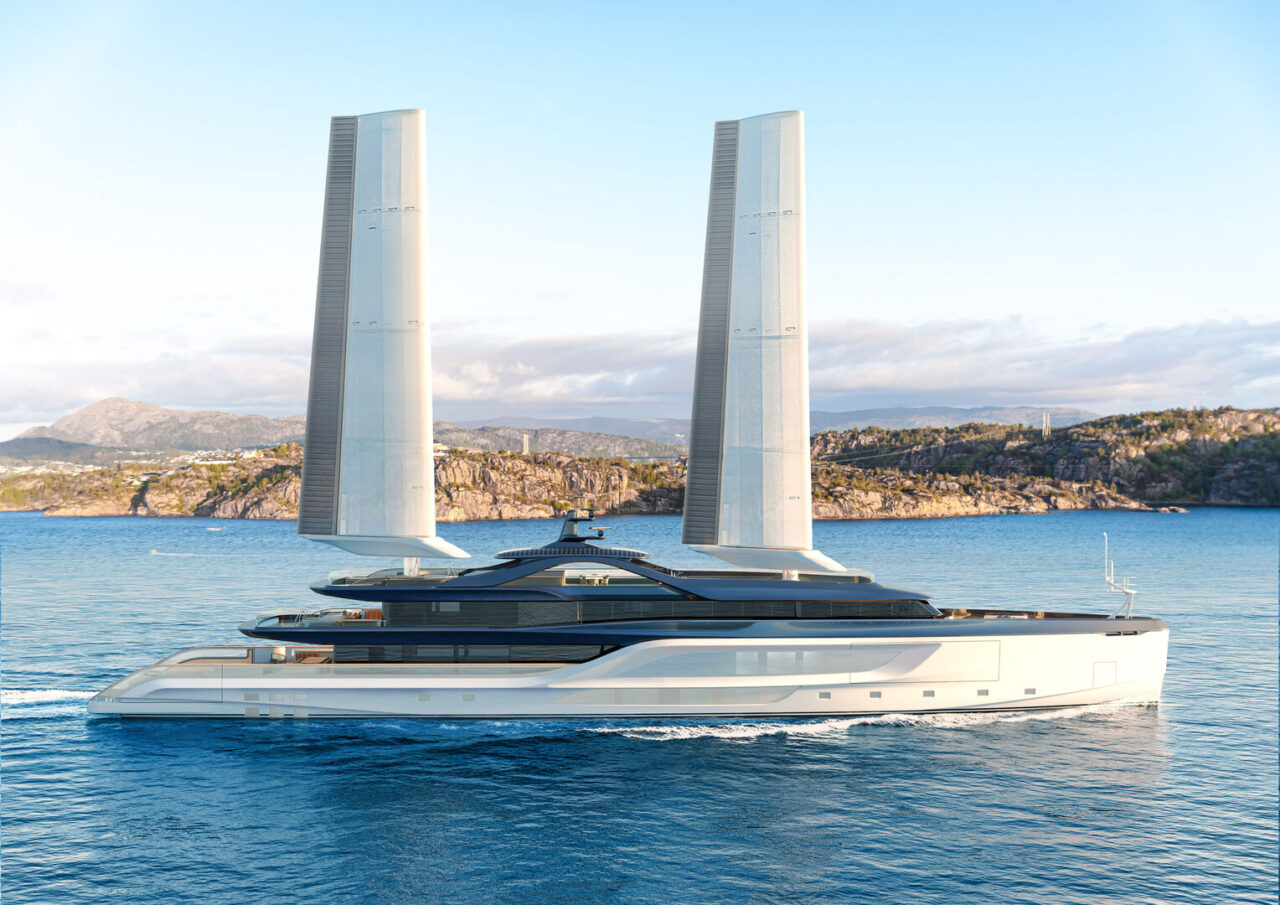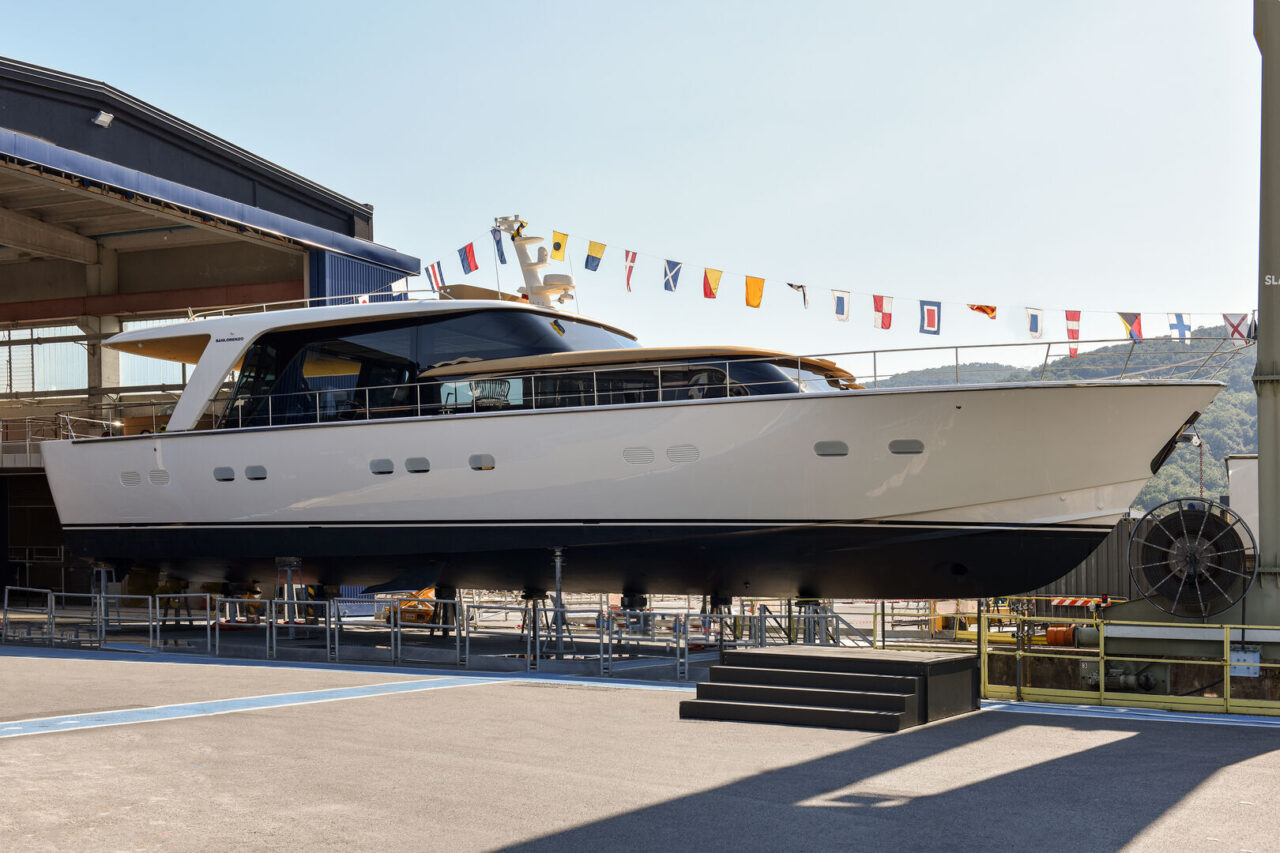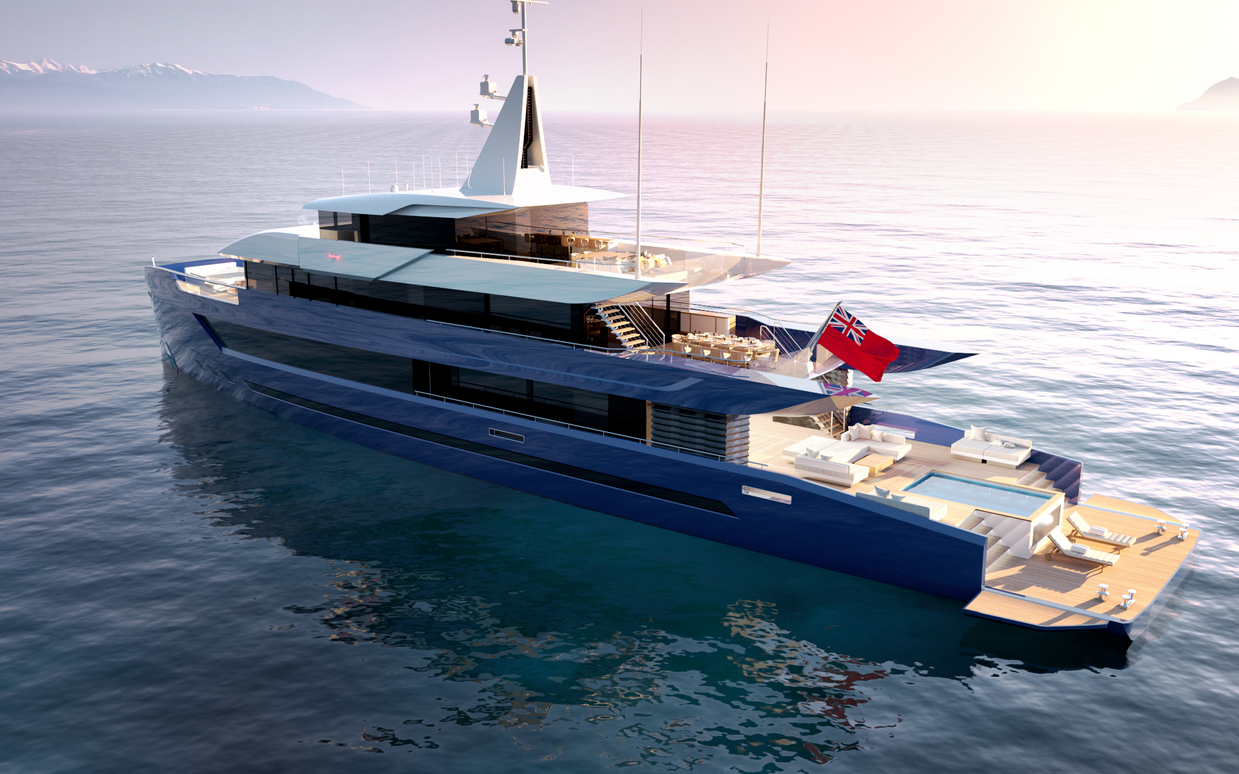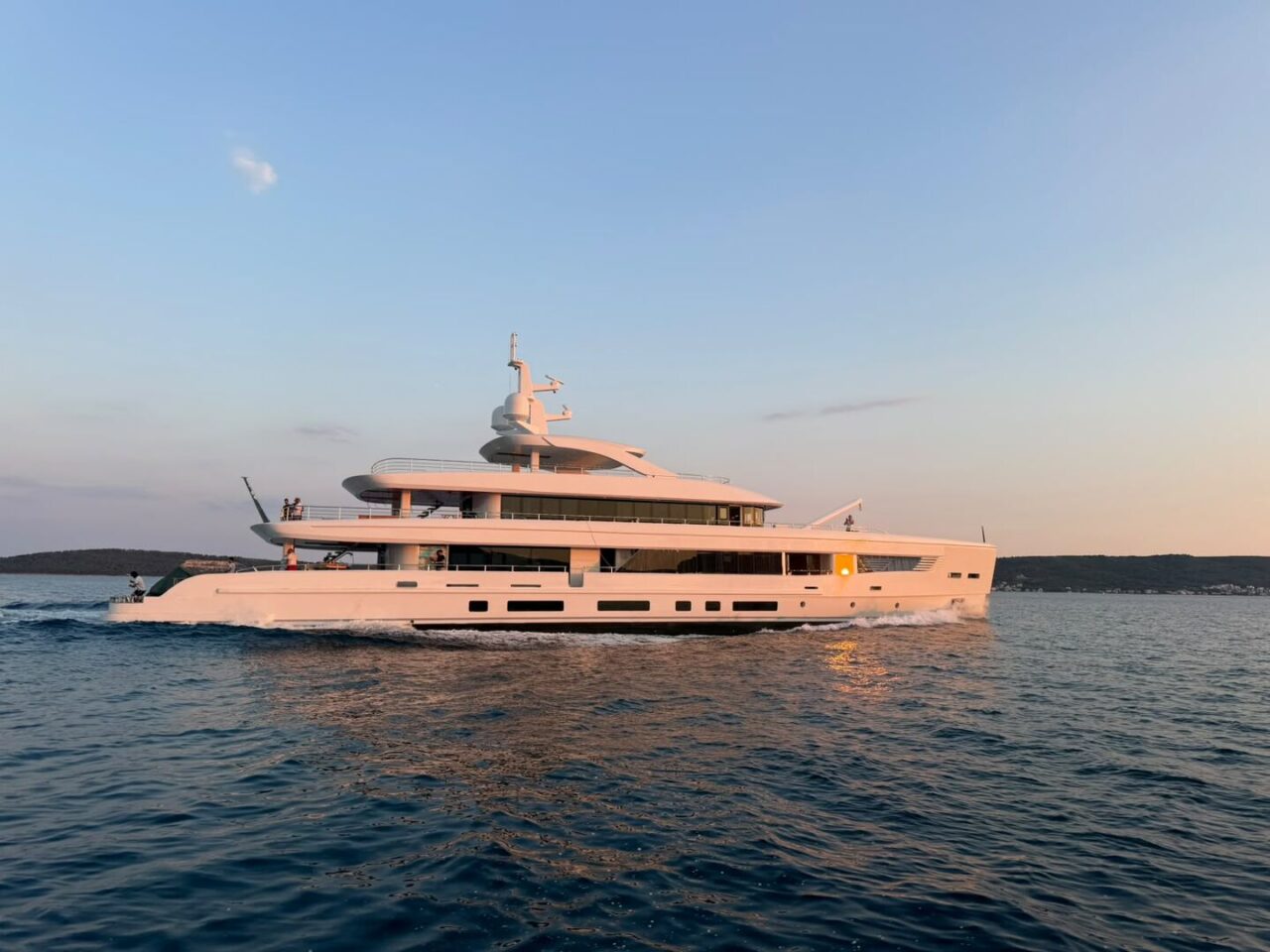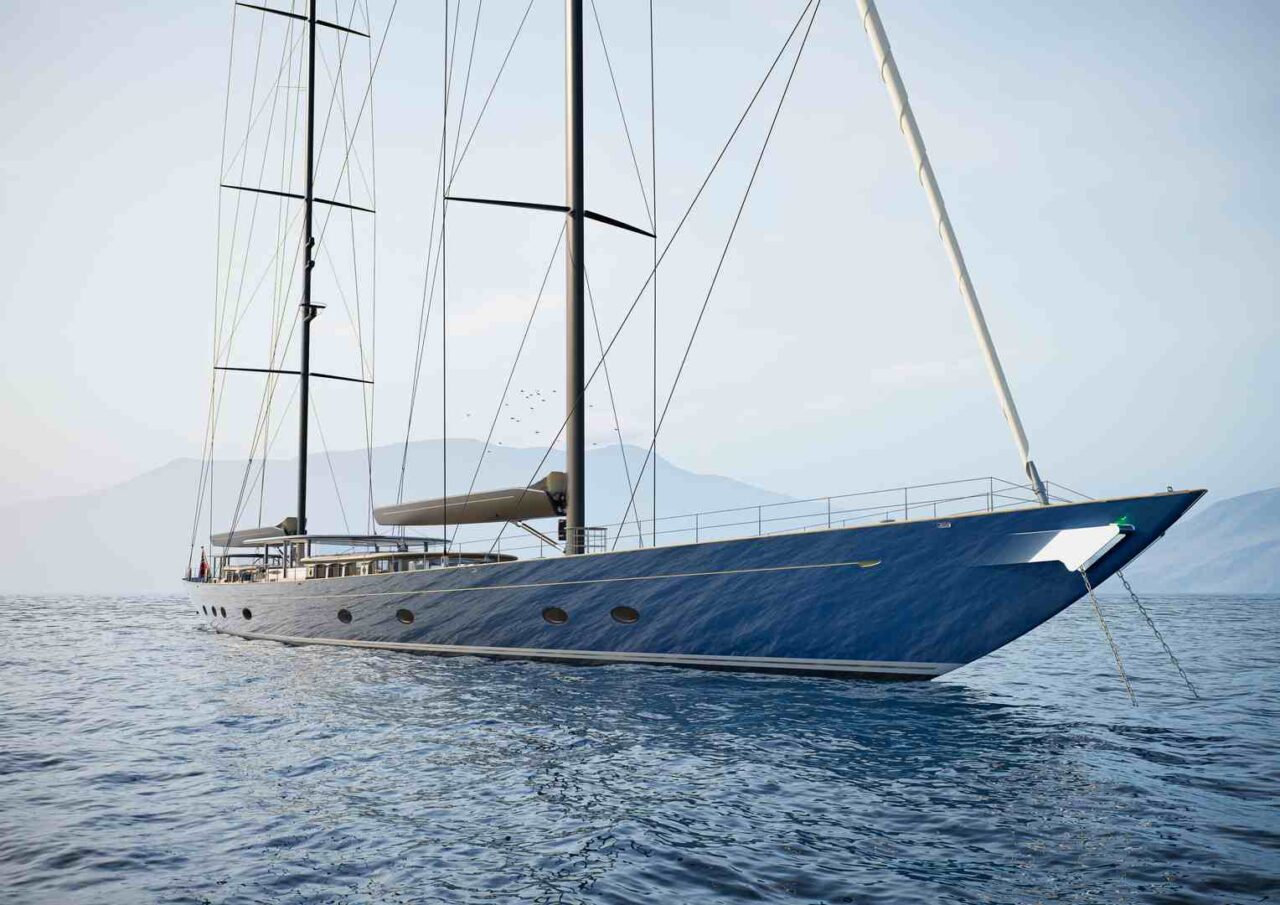
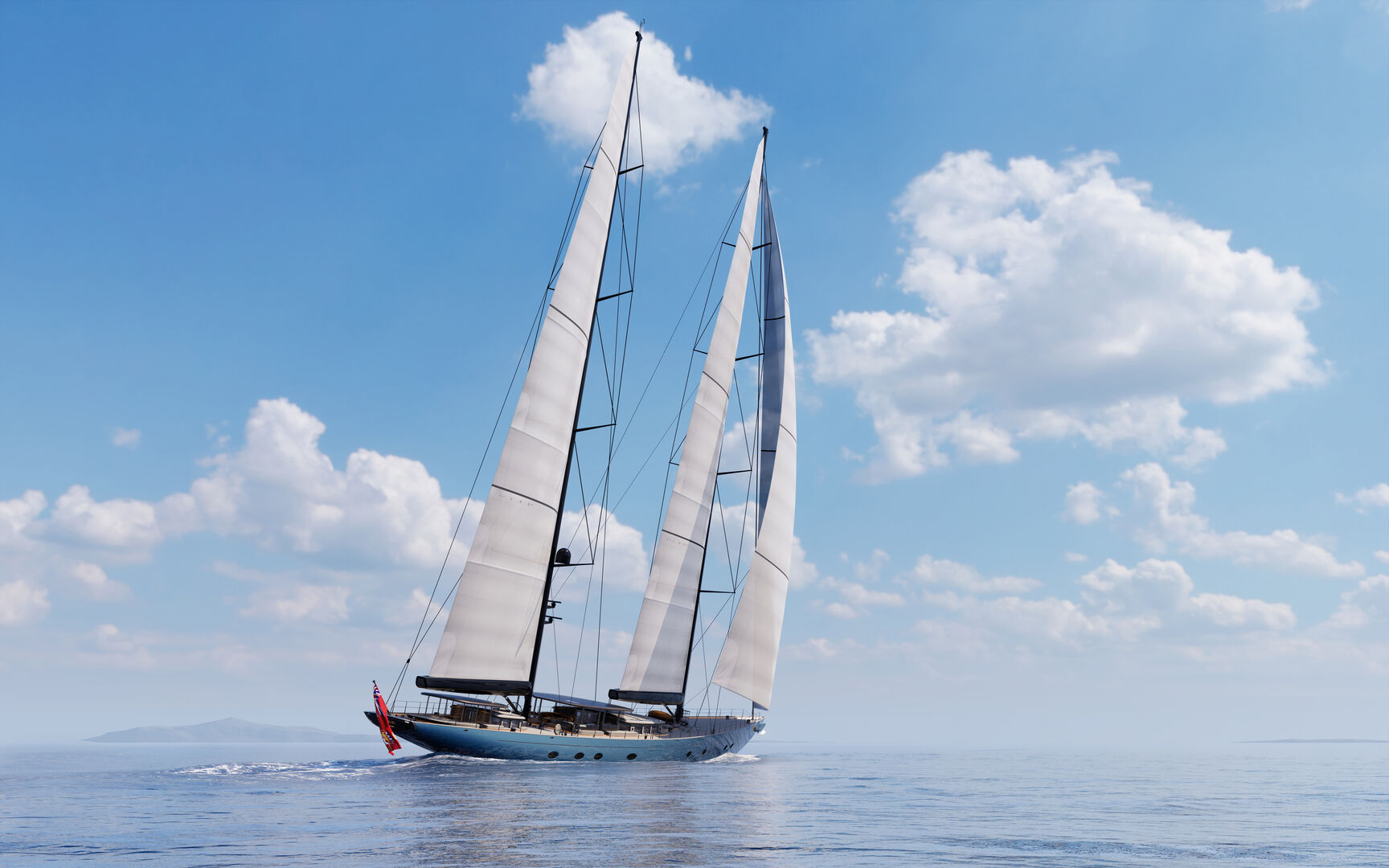
Vitters Shipyard has launched Zero, a 68.91-metre sailing yacht designed to operate entirely without fossil fuels, marking a major milestone in the development of zero-emission superyachts.
The yacht entered the water in Harlingen, the Netherlands, following her rollout from the construction hall in Zwartsluis earlier this month. After being transported by barge, Zero underwent her technical launch and the installation of her Panamax-height masts.
Seven Years of Development
Developed as a proof-of-concept project, Zero represents seven years of research, engineering and construction aimed at creating the world’s first sailing yacht capable of operating without fossil fuels.
The project originated in 2019 through a collaboration between Dutch design studio Vripack, responsible for the yacht’s exterior and interior design, and Dykstra Naval Architects, which developed the hull, sailing plan and thruster system.
Construction began in 2023 after more than 60,000 hours of research and development. The aluminium hull was built by Jacht- en Scheepswerf Gouwerok before being transported to Vitters Shipyard for outfitting and final assembly.
Powered Entirely by Renewable Energy
Unlike conventional superyachts, Zero has no combustion engines. Instead, the yacht relies entirely on renewable energy generated from wind, solar power and hydrogeneration while under sail.
Its energy system includes hydro-generating thrusters capable of producing up to 250 kilowatts of electricity while sailing, a 100-square-metre hybrid photovoltaic-thermal solar array with approximately 60% efficiency, and a wind turbine that captures offshore airflow.
All generated electricity is stored in a 5,000-kilowatt-hour industrial battery system, which supplies power to every onboard system. Rather than a traditional engine room, the yacht features a dedicated technical compartment housing its integrated energy management system.
Inspired by Classic Sailing Yachts
Zero features a Palma Blue hull paired with teak-alternative Tesumo decking. While the yacht’s elegant profile draws inspiration from classic sailing yachts, it incorporates modern sustainable technologies developed using what the designers describe as an “energy-first” approach.
Additional innovations include so-called “breathing” masts, an advanced onboard microgrid and bespoke control software that manages the yacht’s complex renewable energy systems.
Open-Source Innovation
To encourage wider adoption of zero-emission technology throughout the superyacht industry, Vitters has made much of the project’s technical information publicly available through the Foundationº open-source platform.
The published material includes research findings, software code and system schematics, allowing naval architects, designers and shipbuilders to build upon the technologies developed during the Zero project.