Two people check into a small inn on a Friday night with no plan for Saturday. They have a room, a vague idea of a town nearby, and nothing booked. The next morning they walk until they find coffee, follow a road because it looks good, and end up at a farm stand they could not have found on purpose. By Sunday neither can name a single thing they did, and both call it the best weekend in months. The more tightly a getaway is planned, the less romantic it tends to feel.
The Problem With the Itinerary
Over-planning comes from a good instinct. A weekend is short, the trip matters, and packing it with reservations feels like making the most of it. The result is usually the opposite. A schedule with a wine tour at 11, lunch at 1, a museum at 3, and dinner at 7 turns two people into event staff, moving each other from one slot to the next, watching the clock more than each other.
Romance needs slack. The moments couples remember are rarely the booked ones. They are the unplanned detour, the long breakfast that ran to noon, the conversation that started in a parking lot and lasted an hour. A full itinerary leaves no room for any of that. It also adds pressure, because every activity booked in advance becomes a thing you have to do, even when the better move is to stay put.
The Case for a Loose Frame
Zero planning is not the answer either. A weekend with nothing decided creates its own stress, the Saturday-morning standoff where two tired people argue about what to do while everything good books up. The research on travel happiness is consistent on this. Anticipation is a real source of the fun, and people who plan at least a little look forward to a trip more than those who book a package and outsource every choice. The shape of the trip helps here. Most romantic getaways now run short, 2 to 4 nights, the kind of micro-trip that fits a normal calendar, and surveys put a partner as the most common travel companion for nearly half of couples. A short trip is easier to under-plan, because there is less time to fill and less pressure to justify the distance. Travel writers who argue for more spontaneous travel make the same case, that a little structure beats both a rigid plan and no plan at all.
A loose frame solves both problems. Decide the few things that matter, a place to stay and maybe one reservation, and leave the rest open. This suits every kind of couple, from new partners still learning each other to someone dating a sugar daddy who wants the weekend to feel personal and unforced. The frame gives the trip shape without turning it into a schedule, and the open hours are where the weekend actually happens.

Picking One Anchor Plan
If a frame needs one fixed point, make it a single anchor for each day and stop there. One good dinner reservation, one hike, one show. The anchor gives the day a center of gravity and a reason to leave the room, and everything around it stays flexible. A couple who books one thing per day and improvises the rest gets the best of both, a little structure and a lot of freedom, which is how you make a weekend getaway feel like more than a quick errand.
The choice of anchor matters more than the number of them. A cooking class you both wanted beats three activities picked to fill time. Pick the one thing that sounds genuinely good, build a few hours around it, and resist the urge to add a second only because the day looks empty. The space between anchors is where a weekend stops feeling like a tour. A second use for the anchor is logistical. Knowing there is a 7 o’clock dinner gives the day a soft deadline, which oddly makes the open afternoon feel freer, because it has an end. Total blankness can drift into aimlessness, and one fixed point keeps the freedom from tipping into boredom.
The Low-Key Destination
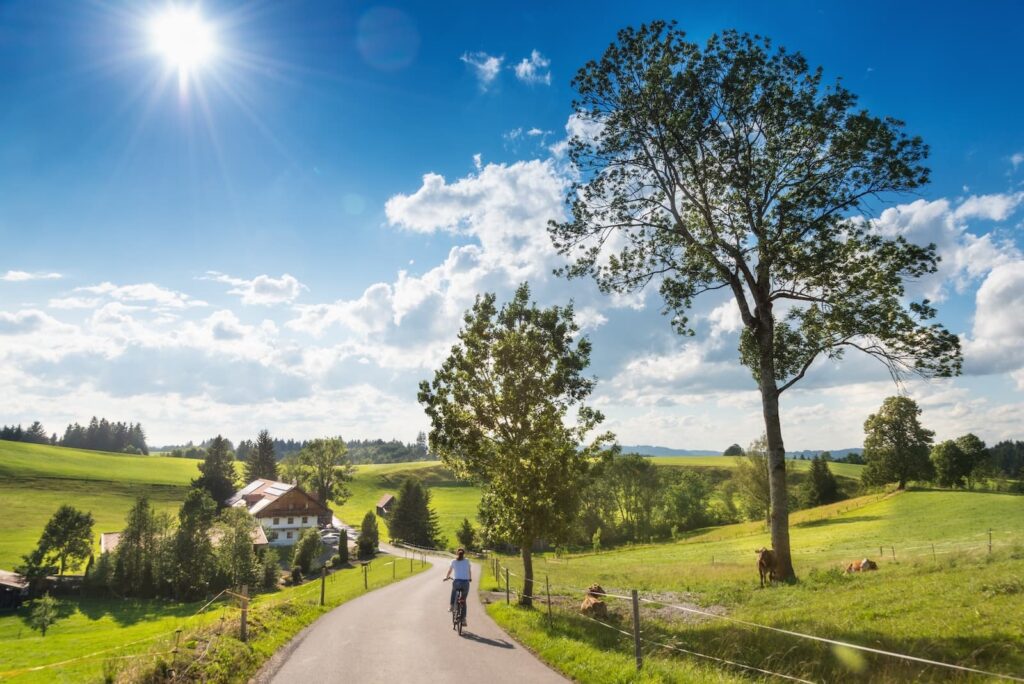
Where you go shapes how planned the trip feels. A major city pulls toward a checklist, because there is too much to see and a quiet voice insisting you should see it. A smaller place does the opposite. A lake town, a stretch of coast, a cabin an hour past the last traffic light, these give a couple less to organize and more room to do nothing well. The most romantic travel destinations for a weekend like this are usually the quiet ones.
Accommodation does a lot of the work. A place with a fireplace, a deck, a kitchen, or a view becomes a destination on its own, which removes the pressure to go out and find one. The best low-key getaways often happen at a single rented house where the plan is to cook, read, walk, and repeat. Proximity helps too. A spot 90 minutes away leaves time to actually be there, while a place that eats a full day in transit each way turns a 2-night trip into a commute. The same logic applies to how much you book ahead. Reserving the room is sensible, since the good places fill up, but reserving every meal and tour weeks out locks the weekend into decisions made by a different version of you, one who has no idea what mood you will be in on Saturday.
Leaving Room for Nothing
The hardest part of an unplanned weekend is tolerating the open time without filling it. The first empty afternoon can feel like a mistake, a sense that you should be doing something. Most people cave at that point and reach for a plan. The good part usually arrives a beat after the boredom, once both people stop performing leisure and actually relax.
Putting the phone away helps more than any single plan. The case for traveling unplugged is well worn by now, and on a short trip it matters more, because there is so little of it to give away to a screen. A weekend is short, and a couple that spends it half-present, checking messages and photographing meals, gets a worse version of the same trip. One agreement to keep phones in the room for a few hours opens up the kind of long, wandering conversation that a packed schedule never allows. The nothing is the part you came for, even when it feels like the part you should skip. Couples who travel often learn to protect this on purpose, blocking out a few hours with nothing scheduled the way they would block out a reservation. Treating empty time as something to defend, the same as any plan, is the quiet move that separates a restful weekend from a busy one.
The Unhurried Weekend
The couple from the inn planned almost nothing. They set up the conditions for a good weekend and then got out of the way. A room they liked, a town worth wandering, and two days with nothing they had to do, that was the entire plan, and it was enough.
A romantic getaway works best as time deliberately left open, with enough shape to feel intentional and enough space to feel free. The test is simple. If the itinerary could belong to a tour group, it is too full. Strip it back until the only firm plan is being there together, with the calendar mostly blank. The weekends people remember are almost never the ones they over-planned