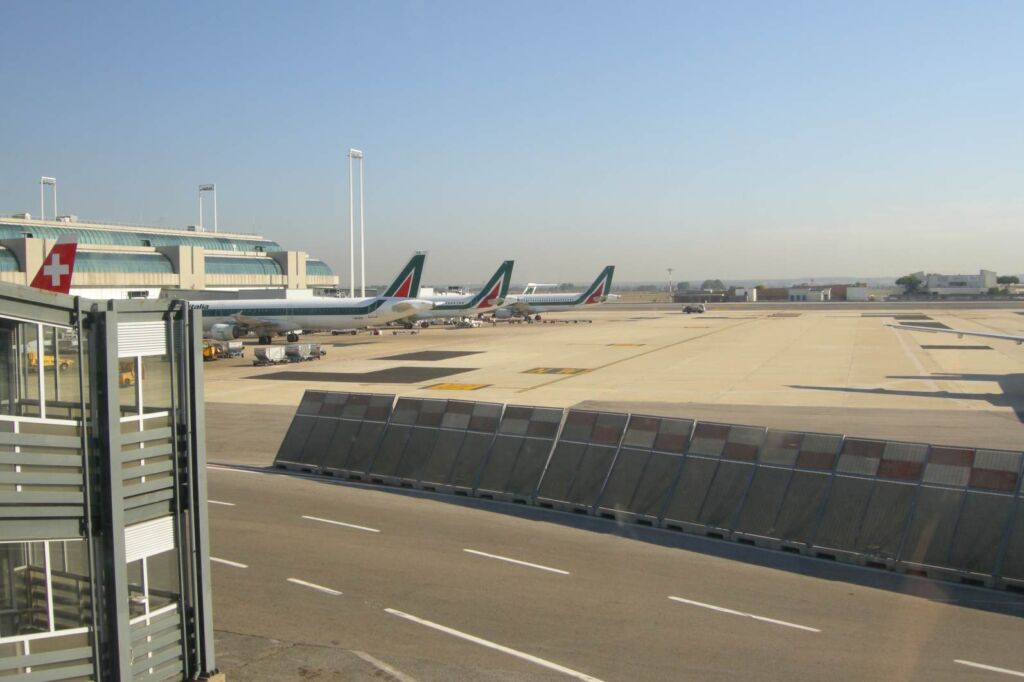
Marco Troncone, Chief Executive of Aeroporti di Roma, which operates Rome Fiumicino and Ciampino airports, said the company is evaluating whether travellers should be allowed to bypass biometric registration during peak periods to avoid what he described as a potential “disaster.”
The concern centres on the EU’s Entry/Exit System, introduced in April 2026 for non-EU travellers entering the Schengen Area. During a traveller’s first visit, border authorities collect fingerprints, facial images and passport details before creating a digital record that replaces traditional passport stamps. The biometric registration is generally valid for three years, meaning repeat travellers do not need to complete the full enrolment process again.
Airports Warn Of Lengthy Delays
Airport operators and airlines have warned that technical issues and slower-than-expected processing have already led to long queues at several European airports. The International Air Transport Association (IATA) has cautioned that waiting times at some of Europe’s busiest airports could reach up to six hours during the peak summer travel period if the system continues operating without additional flexibility.
According to Troncone, the biometric enrolment process is currently incompatible with the passenger volumes expected during the summer holidays, prompting discussions about temporarily reverting to traditional passport checks when queues become excessive.
What It Means For Travellers
No final decision has yet been announced, but if temporary suspensions are approved, border officers could switch to manual document checks during periods of heavy congestion while resuming biometric enrolment when passenger flows return to normal. Similar flexibility has already been discussed or introduced at several European border crossing points to help prevent excessive waiting times.
Travellers visiting Italy this summer are still advised to allow extra time for border formalities, particularly if entering the Schengen Area for the first time under the EES system.