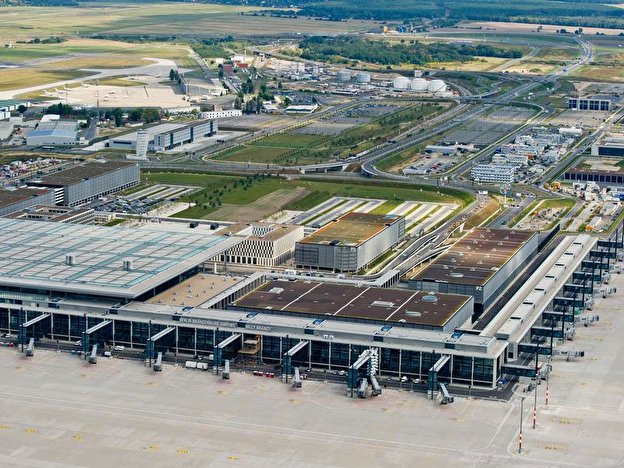
Berlin Brandenburg Airport (BER) welcomed 2.3 million passengers in May 2026, recording a modest increase of 0.9% compared with the same month last year and a stronger 9.5% rise compared with April 2026.
According to the airport’s latest traffic figures, around 22,000 more passengers travelled through BER than in May 2025. However, overall growth was limited by the continuing conflict in the Middle East and the resulting reduction in air services to the region.
Middle East Disruptions Weigh on Traffic Growth
Passenger volumes on routes connecting Berlin with destinations in the Middle East declined significantly during the month. BER reported that approximately 41,000 fewer travellers used these services compared with May 2025, reflecting the impact of ongoing geopolitical tensions and reduced airline operations.
Despite these challenges, seasonal demand continued to support overall traffic levels as the airport moved closer to the peak summer travel period.
Busiest Day Ahead of Holiday Travel
The busiest day of the month was 22 May, the Friday before the Whitsun holiday period, when 91,231 passengers passed through the airport. The figure highlights the continued strength of leisure travel demand from Germany’s capital region.
Passenger numbers also showed a notable month-on-month improvement, rising nearly 10% compared with April 2026.
Aircraft Movements and Cargo Decline
While passenger traffic increased slightly, aircraft movements fell during the month. BER recorded more than 17,200 take-offs and landings in May, representing a decline of 1.6% compared with May 2025.
Cargo activity also weakened. The airport handled approximately 3,900 tonnes of freight, a year-on-year decrease of 9.4%, reflecting softer demand in the cargo sector.
Stable Recovery Continues
The latest figures suggest that BER’s passenger market remains broadly stable despite ongoing geopolitical challenges affecting specific international routes. Seasonal demand continues to support growth, although aircraft movements and freight volumes have yet to recover at the same pace as passenger traffic.
As the summer travel season begins, the airport is expected to benefit from stronger leisure demand, helping offset disruptions in some long-haul and international markets.