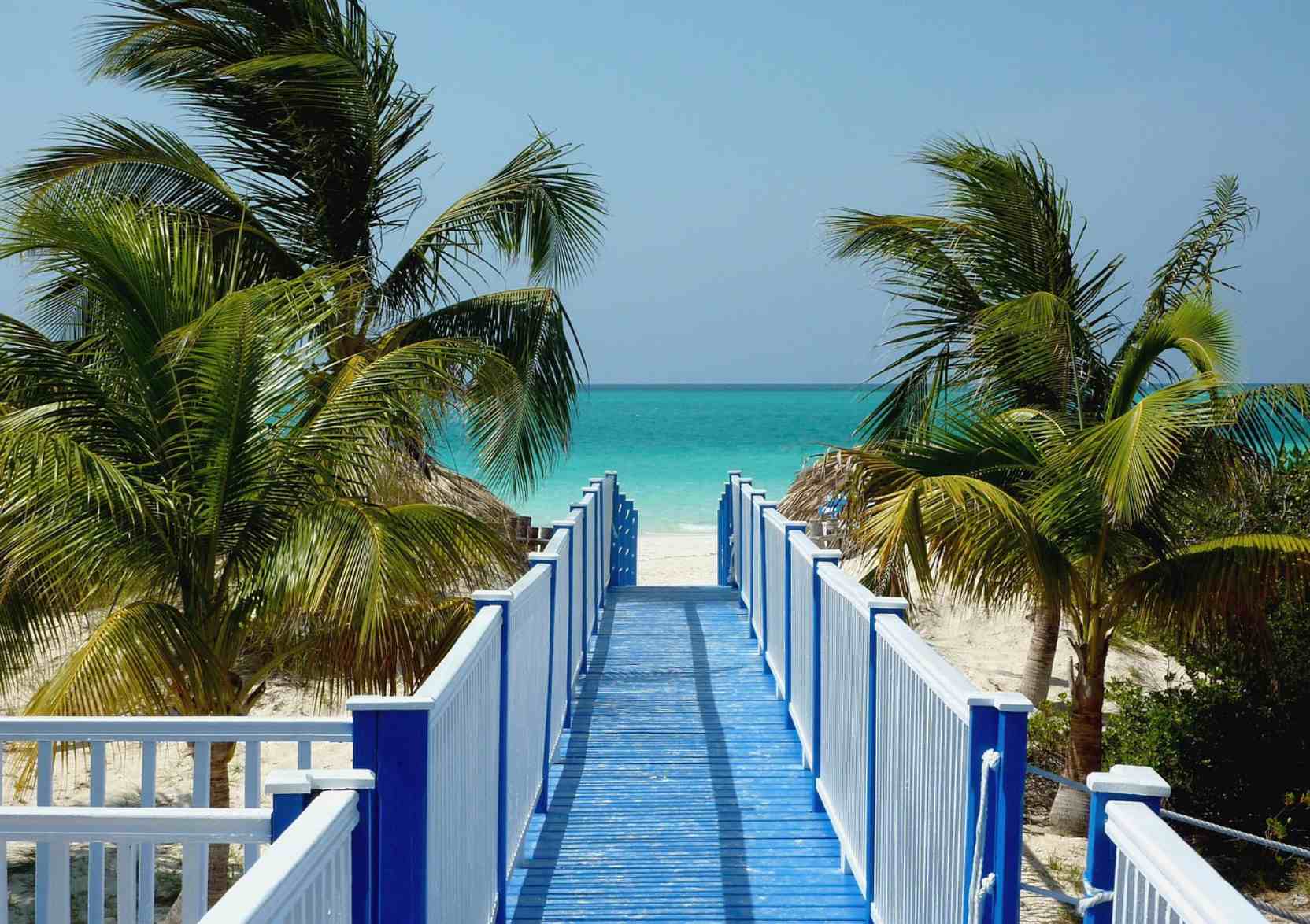
Stand on almost any Caribbean shoreline at sunrise, and it’s easy to understand why so many travelers dream of booking a Caribbean cruise. Crystal-clear waters, vibrant coral reefs, colorful coastal towns, and year-round tropical weather have made the region one of the world’s most sought-after travel destinations.
Yet behind the postcard-perfect scenery lies a growing challenge. As cruise tourism continues to expand, Caribbean islands are investing heavily in larger ports and upgraded infrastructure to accommodate increasing visitor numbers. These developments bring valuable economic opportunities for local communities, but they also raise important questions about environmental sustainability.
How can island nations continue benefiting from tourism growth while preserving the beaches, reefs, mangroves, and marine ecosystems that attract visitors in the first place? Finding the right balance between economic development and environmental protection has become one of the most important conversations shaping the future of Caribbean tourism.
The Economic Power of Cruise Tourism
For many Caribbean islands, tourism isn’t just a major industry—it’s the backbone of the economy.
Cruise passengers support local businesses in countless ways. They book excursions, dine at restaurants, purchase souvenirs, hire transportation services, and visit cultural attractions. In destinations where employment opportunities can be limited, tourism-related jobs often provide a critical source of income for families.
It’s easy to see why governments want to attract more ships.
Modern cruise vessels can bring thousands of visitors in a single day. When several ships arrive at once, local businesses often experience a significant boost in activity. Taxi drivers, tour operators, shop owners, guides, and hospitality workers all benefit from the increased flow of travelers.
As demand grows, ports naturally seek ways to handle larger ships and greater passenger volumes. New terminals, expanded docking facilities, and waterfront developments are increasingly common throughout the region.
From an economic perspective, these projects often make sense.
But economics tells only part of the story.
What Makes Caribbean Islands So Special?
Ask travelers why they visit the Caribbean, and the answers are remarkably consistent.
People come for the beaches.
They come for the coral reefs.
They come for the marine life.
They come for the natural beauty that can’t easily be replicated elsewhere.
Ironically, these same environmental assets are often vulnerable to the pressures created by tourism growth.
A cruise port can bring prosperity to an island, but poorly planned development can also affect the ecosystems that make the destination attractive in the first place.
This creates a difficult balancing act.
Communities need economic growth, yet they also depend on healthy coastal environments to sustain tourism over the long term.
The Hidden Cost of Expansion
Port expansion projects often involve dredging, construction, and coastal modifications.
While these activities may be necessary to accommodate larger vessels, they can also affect marine habitats.
Coral reefs are particularly sensitive.
Many Caribbean reefs have already faced challenges from warming ocean temperatures, storms, and pollution. Construction-related sediment can further stress these fragile ecosystems by reducing water clarity and limiting sunlight.
Mangrove forests face similar pressures.
To some visitors, mangroves may appear less impressive than beaches or reefs, but they play an essential role in coastal health. They provide habitat for marine species, help prevent erosion, and serve as natural barriers during storms.
Removing or damaging these ecosystems can have consequences that extend far beyond the construction site itself.
For island communities that regularly face hurricanes and tropical storms, healthy natural defenses are more valuable than ever.
Why Conservation Is Also Good Business
The conversation surrounding tourism and conservation is often framed as a choice between economic growth and environmental protection.
In reality, the two are closely connected.
Healthy ecosystems generate economic value.
Divers visit coral reefs.
Kayakers explore mangrove channels.
Snorkelers seek vibrant marine habitats.
Beachgoers look for clean coastlines and clear water.
Without these natural attractions, many destinations would lose part of their appeal.
Forward-thinking tourism planners increasingly recognize that environmental protection isn’t simply a regulatory requirement—it’s a business strategy.
Preserving natural assets helps ensure that future generations of travelers will continue choosing Caribbean destinations.
In that sense, conservation can be viewed as an investment rather than an expense.
A New Approach to Sustainable Port Development
Fortunately, many Caribbean destinations are beginning to embrace a more balanced model of development.
Rather than pursuing growth at any cost, planners are increasingly focusing on sustainability.
Environmental impact assessments have become more common before major construction projects begin. These studies help identify potential risks and allow developers to implement mitigation measures before damage occurs.
Some ports are investing in cleaner technologies, including shore power systems that reduce emissions while ships are docked.
Others are supporting reef restoration projects, marine conservation programs, and environmental monitoring initiatives.
The goal is no longer simply to build bigger ports.
The goal is to build smarter ports.
The Role of Cruise Lines
Cruise operators themselves have also become more active participants in sustainability discussions.
Today’s travelers are increasingly aware of environmental issues, and many expect tourism companies to operate responsibly.
As a result, cruise lines have invested heavily in technologies designed to reduce environmental impacts.
Modern vessels often include advanced wastewater treatment systems, improved fuel efficiency measures, and waste-reduction programs. New ship designs are also becoming more energy efficient than previous generations.
While challenges remain, the industry has made significant progress compared to where it stood just a few decades ago.
Collaboration between cruise companies, governments, and conservation organizations will likely play a major role in shaping the future of Caribbean tourism.
What Travelers Can Do
Sustainability isn’t solely the responsibility of governments and businesses.
Travelers also influence the future of destinations they visit.
Those considering booking a Caribbean cruise can make choices that support responsible tourism practices.
Simple actions can make a difference:
- Support locally owned businesses.
- Respect protected marine areas.
- Follow environmental guidelines during excursions.
- Avoid activities that damage coral reefs.
- Reduce single-use plastic consumption.
- Choose operators that prioritize sustainability.
Responsible tourism doesn’t require sacrificing enjoyment.
In many cases, it enhances the travel experience by creating a deeper connection with the places being visited.
For travelers interested in exploring the region’s incredible destinations, booking a Caribbean cruise can provide access to some of the most beautiful islands in the world while supporting local economies when done responsibly.
Learn more about Caribbean cruise itineraries here:
https://www.celebritycruises.com/destinations/caribbean-cruises
Looking Ahead
The future of Caribbean tourism will depend on decisions being made today.
Ports will continue to expand. Visitor numbers will likely continue to rise. Economic opportunities will remain important for island communities.
At the same time, preserving reefs, beaches, mangroves, and marine ecosystems will become increasingly critical as environmental pressures grow.
The most successful destinations will be those that recognize these goals are not mutually exclusive.
Economic development and environmental stewardship do not have to compete with one another. When managed thoughtfully, they can work together to create a tourism model that benefits both people and nature.
After all, the Caribbean’s greatest asset has never been its ports.
It’s the extraordinary natural beauty that surrounds them.