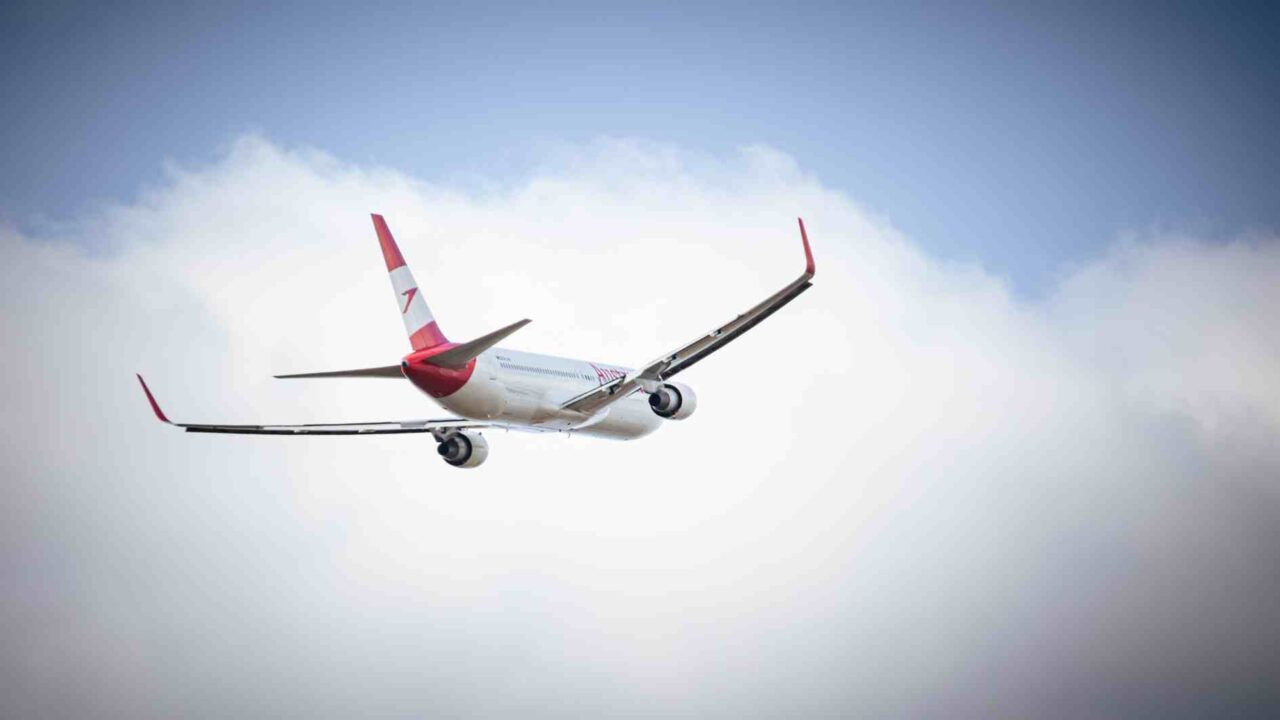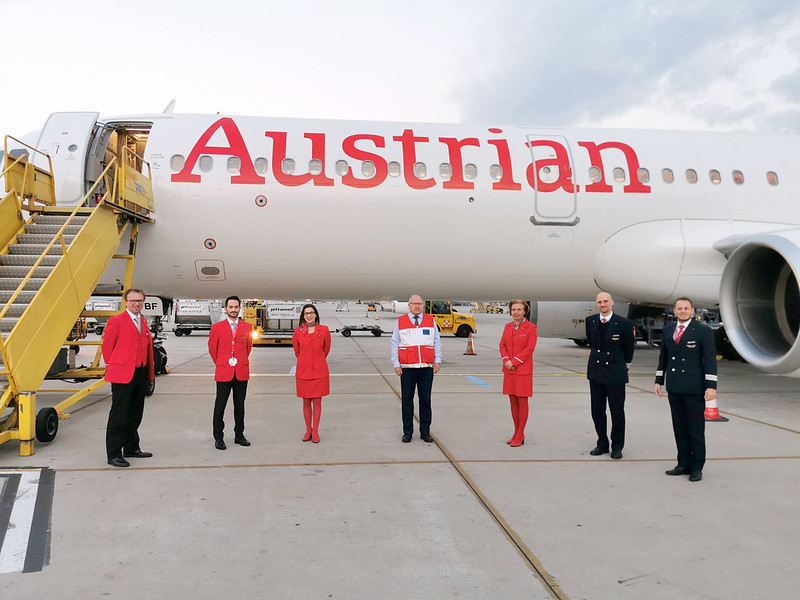
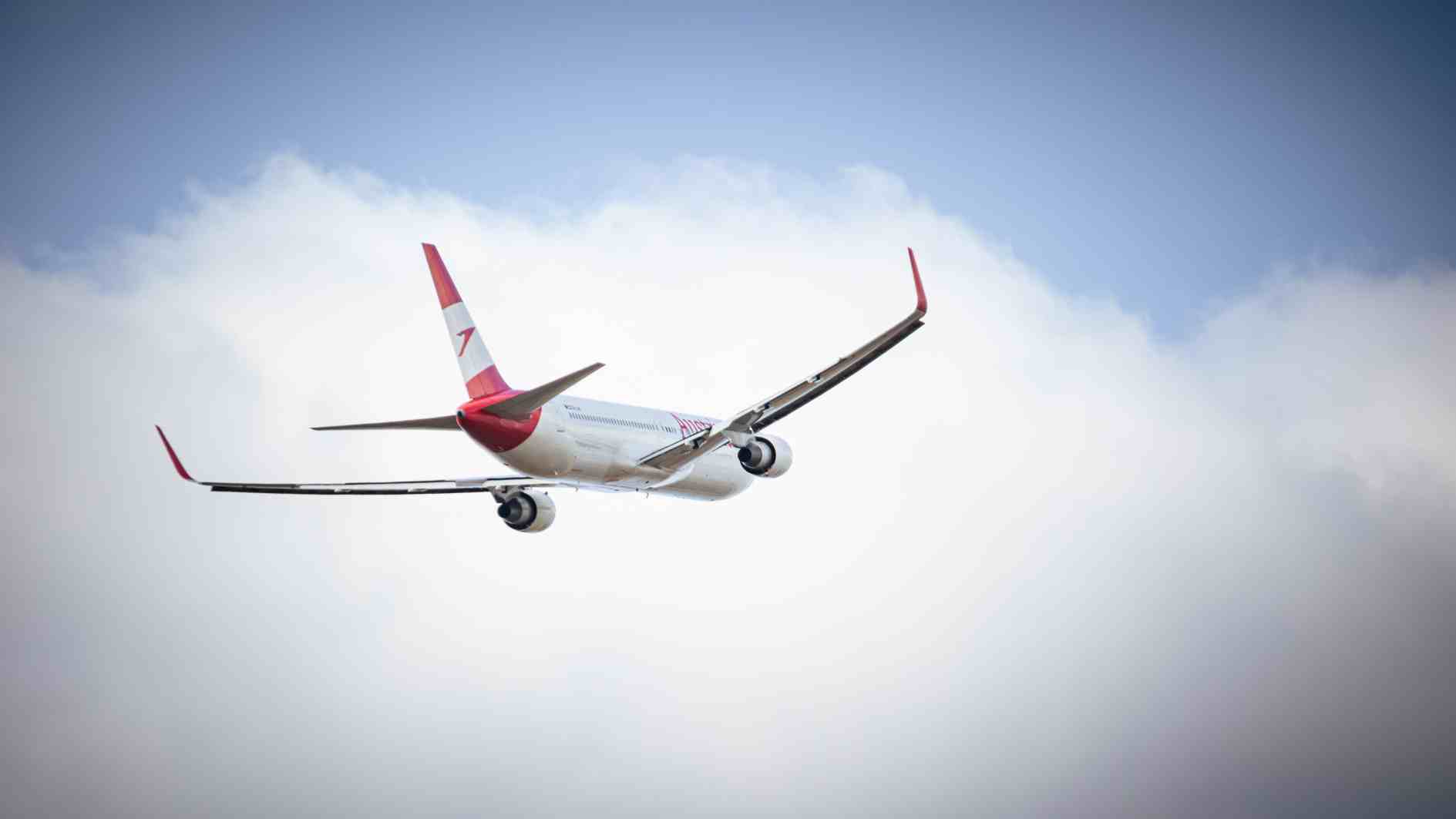
Austrian Airlines has added a third Boeing 787-9 Dreamliner to its regular fleet, as the carrier continues a broad renewal of its aircraft lineup. The jet began service on the Vienna to Montreal route, marking another step in the airline’s long-haul modernisation.
The addition gives the airline more wide-body capacity as it looks to expand its long-haul operation in the coming years. Austrian Airlines also plans to replace part of its single-aisle fleet as part of the same programme.
The carrier said the new aircraft has joined regular operations, underscoring a push to refresh both long-haul and short-haul services. The move comes as airlines across Europe continue to invest in newer, more efficient aircraft to update ageing fleets and improve passenger comfort.
The Boeing 787-9 is a long-haul aircraft widely used by international airlines because it offers lower fuel burn than older wide-body models and supports routes with high passenger demand. For Austrian Airlines, its deployment on Vienna-Montreal signals that the airline is continuing to expand its long-haul network with newer aircraft.
The wider renewal programme also points to a phased approach, with the airline adding new long-haul jets while gradually reshaping the rest of its fleet. That strategy can help carriers balance capacity, operating costs and service changes across different route types.
Fleet renewal has become a key focus for many airlines after years of disruption and delayed aircraft deliveries. For Austrian Airlines, the arrival of a third Dreamliner suggests the process is now moving from planning into regular operations.
Industry analysts often view fleet modernisation as a way for airlines to improve reliability and reduce maintenance needs, while also supporting route expansion. In practical terms, that can mean newer aircraft on long-haul flights first, followed by staged changes on shorter routes.
For passengers, the arrival of a newer aircraft type can also affect the travel experience. Airlines frequently use modern wide-body jets to offer updated cabins, better onboard technology and more efficient flight performance on intercontinental services.