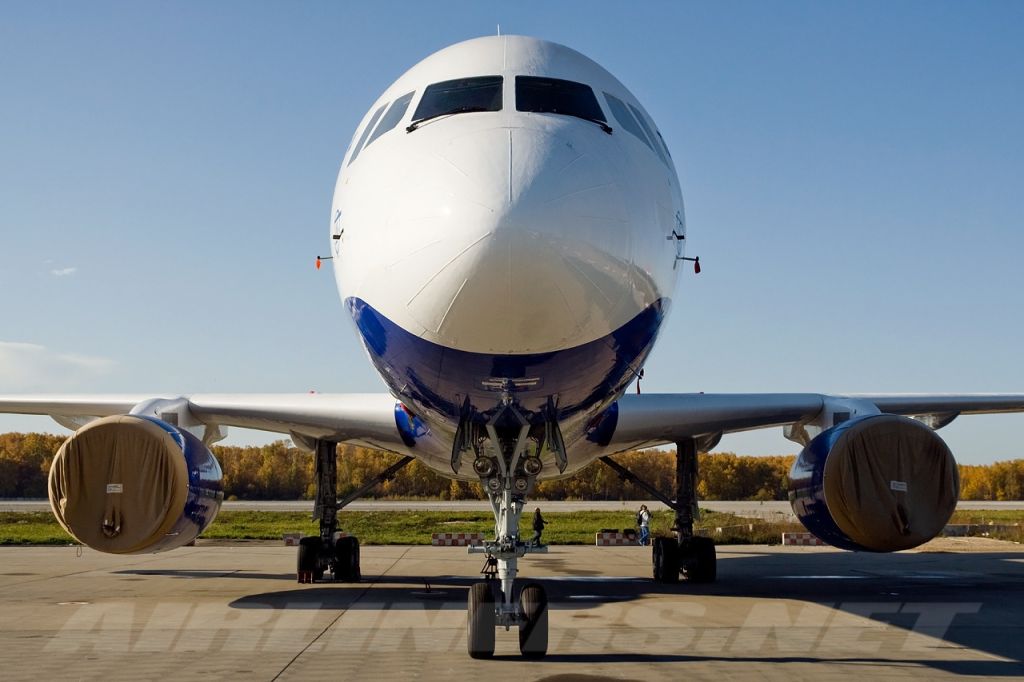
The system was developed by the Kristall design bureau and represents another step in Russia’s broader effort to replace imported aviation components with domestically produced alternatives.
Flight Tests Confirm Stable System Performance
According to Rostec, the tests confirmed the stable operation of the aircraft’s air conditioning and onboard safety systems while using the new ozone converter.
The testing programme was conducted in northern latitudes where atmospheric ozone concentrations are typically at their highest.
Device Protects Cabin Air Quality
The ozone converter is designed to neutralise excessive ozone entering aircraft cabins at high altitudes.
Exposure to elevated ozone levels during flights can potentially affect passenger comfort and crew wellbeing, making ozone filtration systems an important part of modern aircraft environmental control systems.
Russian-Made Components Replace Imports
Rostec stated that the new converter is built entirely from domestically produced components and is fully interchangeable with previously used foreign-made systems.
Earlier Tu-204 and Tu-214 aircraft relied on imported ozone converters for which Russia previously had no domestic equivalent.
New Converter Significantly Lighter
According to reports, the Russian-designed converter is almost twice as light as comparable imported systems.
The reduced weight could help improve aircraft operational efficiency while also strengthening technological independence within the Russian aerospace sector.
Technology Planned For Wider Aircraft Use
Rostec said the catalytic coating technology used in the new ozone converter is expected to be expanded for use across additional aircraft types in the future.
The development forms part of ongoing efforts to localise aviation production and reduce reliance on foreign aerospace technologies.
Tu-214 Production Continues Expanding
The Tu-214 has become increasingly important within Russia’s aviation strategy as the country accelerates domestic aircraft development programmes amid international sanctions and supply chain restrictions.
Russian aerospace manufacturers have been actively working to replace imported systems and components across multiple aircraft platforms.