
Eleven European countries have called on European Union leadership to introduce stricter Schengen visa rules for Russian citizens, arguing that current restrictions are insufficient and continue to allow travelers to bypass limitations through alternative routes.
The proposal reflects growing divisions across Europe over travel policy toward Russian nationals and highlights continuing debates around border security, sanctions and mobility restrictions.
The initiative comes as several countries argue that existing measures have created loopholes rather than fully restricting travel access.
Eleven Countries Seek Additional Visa Restrictions
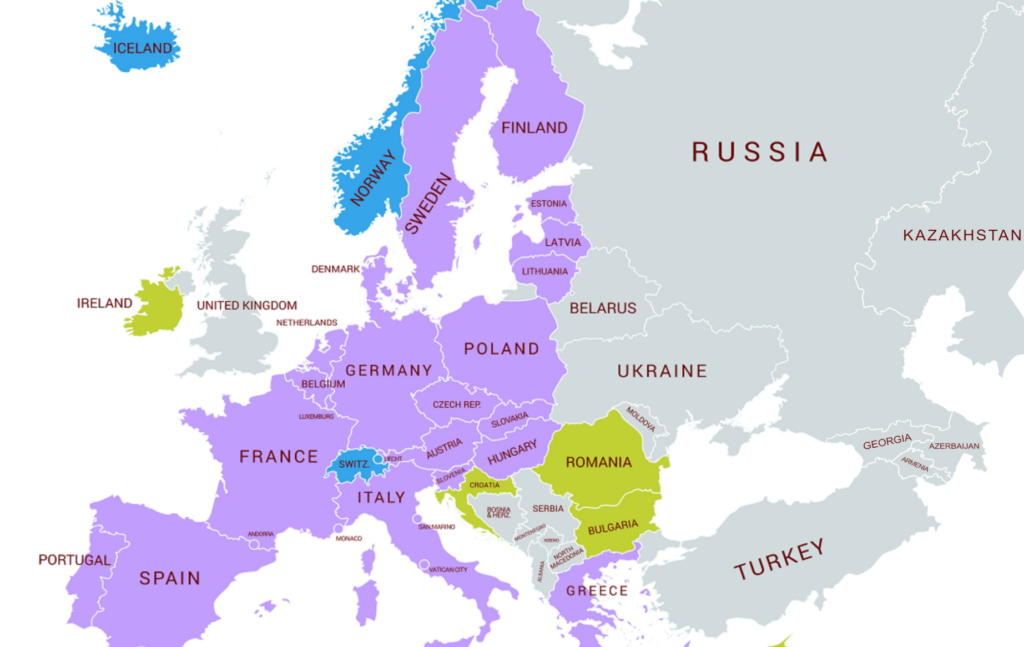
The countries supporting additional measures include Poland, the Baltic states, Finland, Sweden, Czechia, Denmark and the Netherlands, alongside non-EU Schengen members Norway and Iceland.
According to reports, officials from these countries sent a joint letter to EU institutions requesting further action regarding visa policy.
Supporters of tighter rules argue that current restrictions vary significantly between countries, creating uneven implementation across the Schengen area.
The proposal adds pressure on EU institutions to reconsider existing travel policies.
Concerns Grow Over Visa Tourism Loopholes
Officials backing additional measures argue that travelers increasingly seek visas through countries perceived as maintaining less restrictive application procedures.
This practice, often described as visa tourism, has become a growing concern among governments supporting stricter border controls.
Critics argue that differences in national visa practices undermine the effectiveness of broader European restrictions.
The debate reflects ongoing challenges associated with maintaining unified policies across multiple visa-issuing states.
Schengen Travel Policy Remains Politically Sensitive
Travel restrictions affecting Russian citizens remain among the more politically sensitive aspects of European mobility policy.
Some countries have already introduced stricter national measures while others continue issuing visas under existing Schengen rules.
Any substantial changes would likely require broader coordination across European institutions and member states.
The latest proposal signals that discussions over travel restrictions and border policies are likely to remain a major issue within Europe’s tourism and mobility landscape.