Wellness tourism continues to expand rapidly across global travel markets, but a new international survey suggests affluent travellers still have no clear favourite resort brand when it comes to health-focused getaways.
The findings, published in the new WellSurvey 2.0 report by Civano Advisors and Yesawich Holding, reveal a fragmented industry where consumers are spending heavily on wellness experiences but remain largely unconvinced by existing resort offerings.
The survey questioned 2,648 affluent adults across the United States, United Kingdom and Germany about their travel preferences and wellness habits.
When shown 36 major wellness-oriented resort and destination brands, 53% of respondents selected “none of the above” when asked which they would choose for a future wellness trip.
Among those who did express a preference, no single brand dominated the market.
Six Senses And Canyon Ranch Lead Recognition
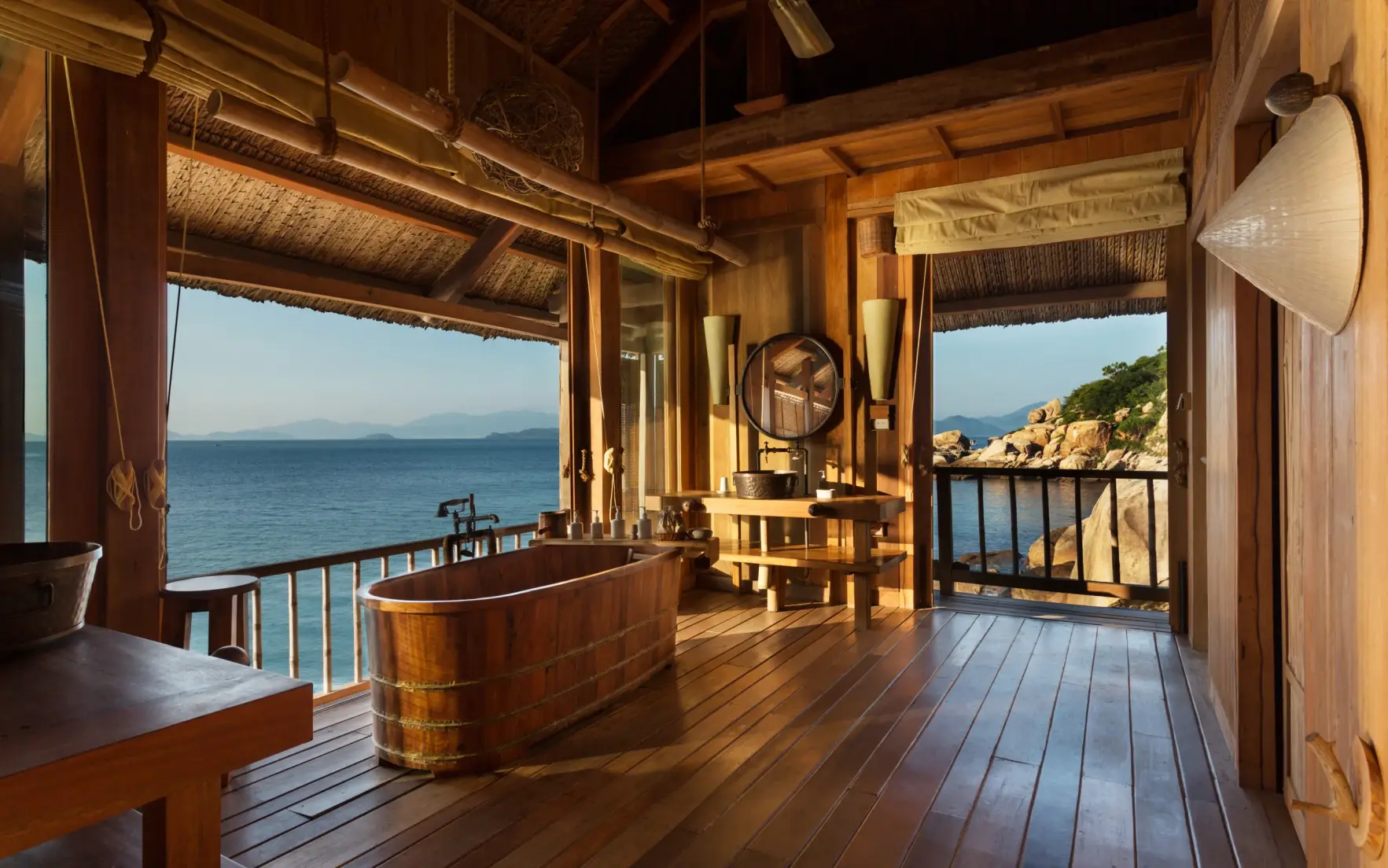
Six Senses and Canyon Ranch emerged as the most recognised names in the survey, each attracting preference from 10% of respondents.
The report described the two companies as “reference brands,” meaning they currently enjoy stronger recognition than competitors, though not enough to fully dominate the category.
The survey highlights the enormous financial opportunity still available within wellness tourism.
Researchers estimate so-called “WellZoomers” account for approximately $540 billion in annual global spending on wellness products, services and experiences, with projections rising to roughly $610 billion over the next five years.
High Stress Levels Fuel Wellness Demand
Despite their spending power, affluent wellness travellers also reported some of the highest stress levels among all age groups surveyed.
More than half said they regularly feel stressed or worried about finances, while large majorities continue investing heavily in personal wellness practices.
According to the survey, 95% exercise regularly, 79% track health metrics and 71% use spa or alternative therapies on a routine basis.
Meanwhile, 86% said they plan to visit a wellness facility within the next year.
Younger affluent travellers also showed growing interest in specialised wellness treatments including breathwork, red light therapy, blood testing and osteopathic healing.
Coastal Retreats Remain Most Popular
When asked about preferred travel environments, coastal destinations ranked highest at 77%, followed by mountain settings at 64% and secluded retreats at 59%.
However, the research suggests travellers are increasingly favouring regional rather than long-haul wellness trips.
American respondents strongly preferred domestic wellness travel within the United States, while travellers in the UK and Germany largely favoured destinations elsewhere in Europe.
The Caribbean emerged as the leading international destination across all three surveyed markets.
Industry Faces Growing Similarity Problem
One of the biggest challenges identified in the report is that wellness resorts are increasingly viewed as interchangeable.
More than 80% of affluent spa and wellness customers surveyed said brands now offer largely similar programming and experiences.
The report argues that operators must move beyond generic spa treatments and create longer-term relationships with guests rather than focusing solely on the stay itself.
Personalisation Seen As Future Of Wellness Travel
Researchers suggest future success will depend on personalised wellness journeys beginning before arrival and continuing after guests return home.
Recommendations include pre-arrival assessments, customised on-site wellness plans and post-visit engagement designed to maintain long-term loyalty.
Some luxury wellness brands have already begun moving in this direction.
SHA Wellness Clinic, which operates in Spain and Mexico and is expanding into the UAE, combines medical diagnostics with post-program monitoring to help guests maintain healthy habits after their stay.
Meanwhile, Six Senses has extended its presence beyond resorts through membership-based wellness spaces in London and New York designed to keep customers connected between trips.
The findings suggest that while wellness tourism remains one of the fastest-growing sectors in travel, the industry still lacks a globally dominant brand capable of fully capturing consumer loyalty.