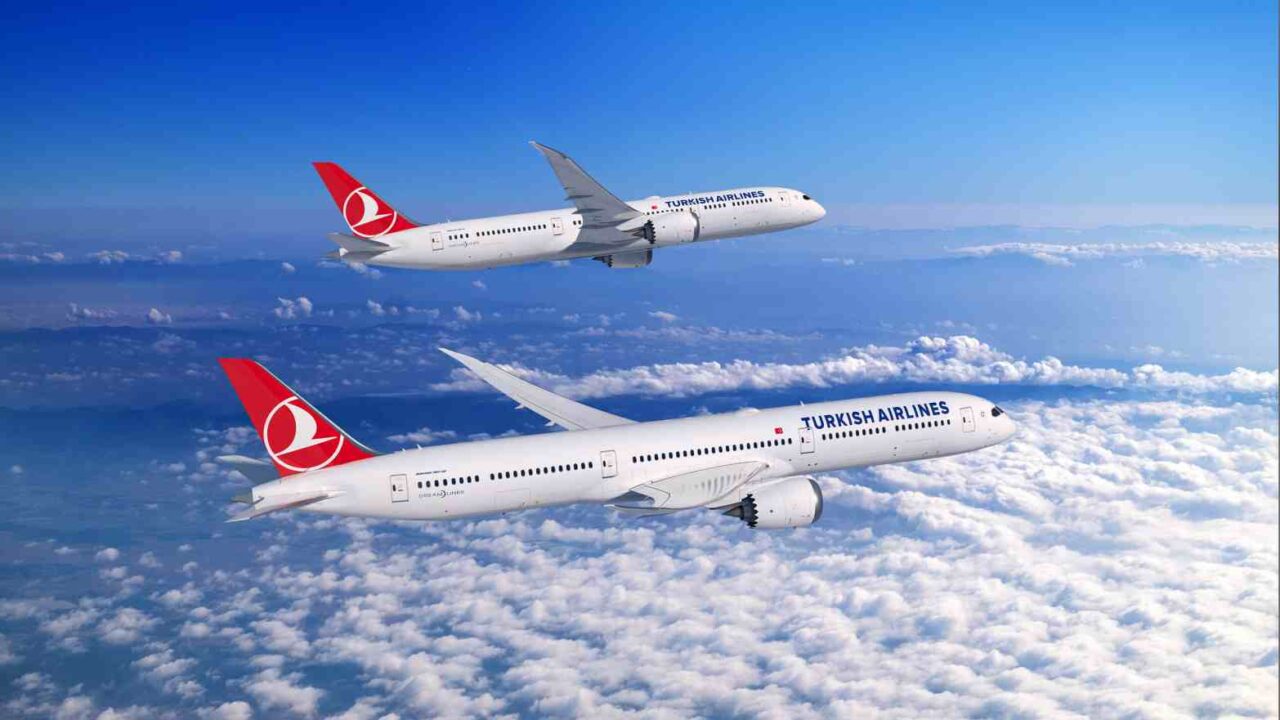
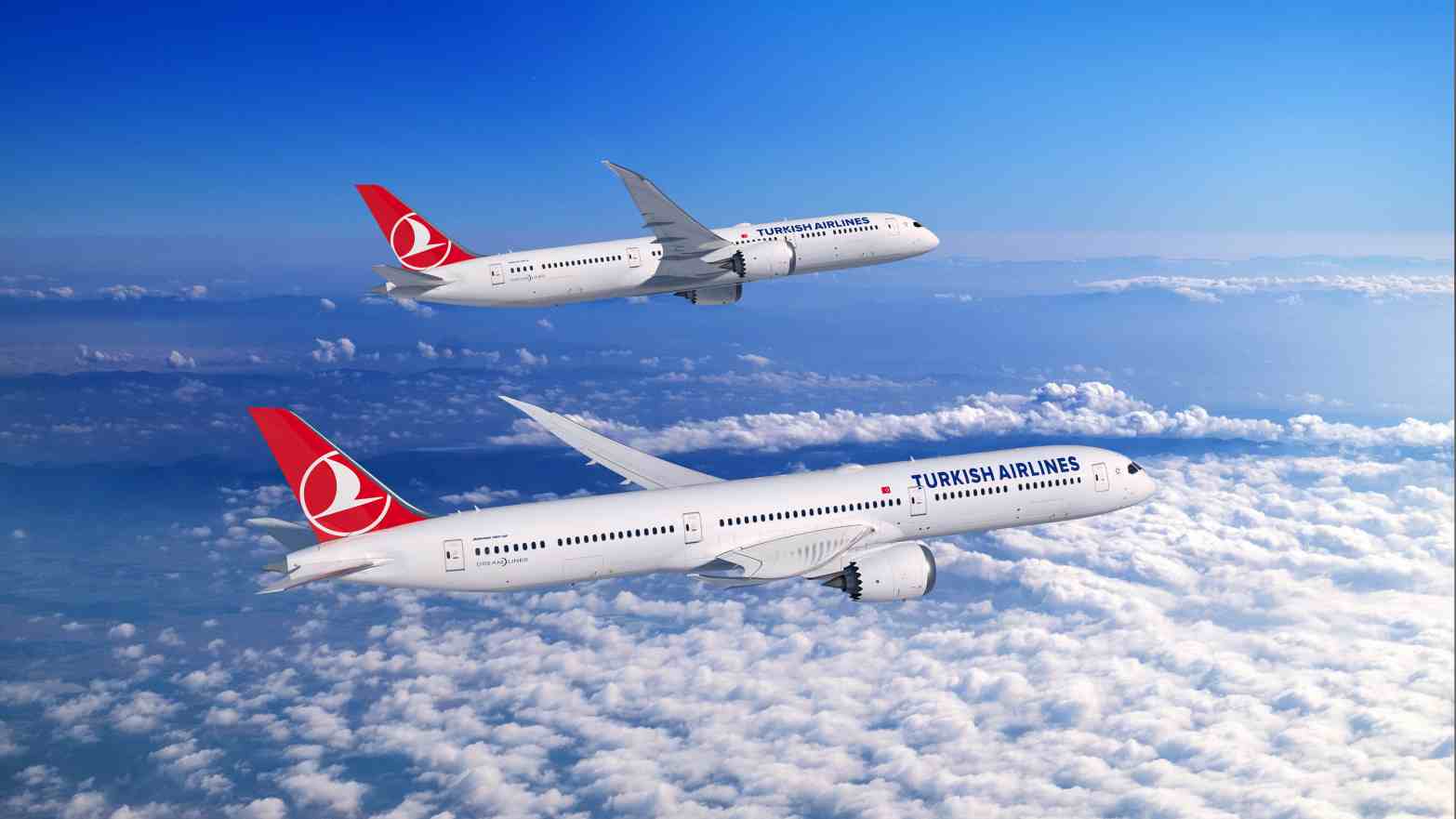
Turkish Airlines reported strong financial and operational growth in the first quarter of 2026, posting a net profit of $226 million as passenger demand and cargo activity continued to expand despite rising operating costs and geopolitical uncertainty.
The airline generated approximately $5.9 billion in revenue during the quarter, representing a 21% increase compared with the same period last year.
The result marked a major turnaround from the net loss of around $40 million to $50 million recorded during the first quarter of 2025, improving profitability by nearly $270 million year-on-year.
Passenger Traffic And Cargo Volumes Continue To Grow
Turkish Airlines carried 21.3 million passengers during the first three months of 2026, an increase of 12.7% compared with the previous year.
Cargo operations also expanded strongly, with freight volumes exceeding 552,000 tonnes, up 14.8% year-on-year.
The airline increased capacity by 9.4%, while traffic rose 13.3%, helping improve load factor to 83.5%, an increase of 2.9 percentage points.
At the end of the quarter, Turkish Airlines operated a network covering 305 destinations across 132 countries.
Its fleet reached 528 aircraft, including 28 freighter aircraft and Boeing 737 MAX 8 jets.
Geopolitical Shifts Supported Revenue Growth
The airline said changing geopolitical conditions played a significant role in reshaping revenue performance across regions.
Turkish Airlines emerged as one of the beneficiaries of tensions affecting the Gulf region, particularly through increased demand across Asia and the Far East.
Revenue from Asian markets climbed 39% to approximately $1.8 billion.
African revenues increased by more than 30% to $523 million, while European revenues rose around 20%.
Meanwhile, revenue from the Middle East remained broadly stable despite ongoing regional tensions, reflecting the airline’s ability to redirect capacity and capture shifting passenger demand.
Cargo Business Expands Rapidly
Passenger operations remained the airline’s largest business segment, generating approximately $4.7 billion in revenue and accounting for nearly 80% of total turnover.
However, cargo operations recorded even faster growth, with revenue increasing around 30% to $987 million.
The cargo division now contributes close to 17% of total group revenue.
Other business segments, including maintenance, repair and overhaul services, generated approximately $147 million in revenue.
Operating Costs Continue To Rise
Despite improved profitability, Turkish Airlines continued facing strong cost pressure during the quarter.
Total operating costs rose more than 17% to approximately $6.08 billion.
Fuel expenses increased by 15% to nearly $1.5 billion, representing almost one-quarter of total operating costs.
Labor costs rose approximately 23% to $1.66 billion as the airline’s workforce approached 67,000 employees.
The company also reported higher technical service costs alongside increased airport and navigation charges.
Airline Maintains Strong Financial Momentum
Even with rising expenses, Turkish Airlines reduced its operating loss by approximately 25% year-on-year to around $57 million.
A positive contribution from financial operations ultimately helped the carrier return to a net profit position.
The airline also improved key unit performance indicators, with revenue per available seat kilometer increasing 9.5% and profitability rising 5.7%, while unit costs increased 7.8%.
The results underline Turkish Airlines’ continued expansion strategy and growing role in global long-haul aviation markets despite ongoing geopolitical and cost-related challenges.