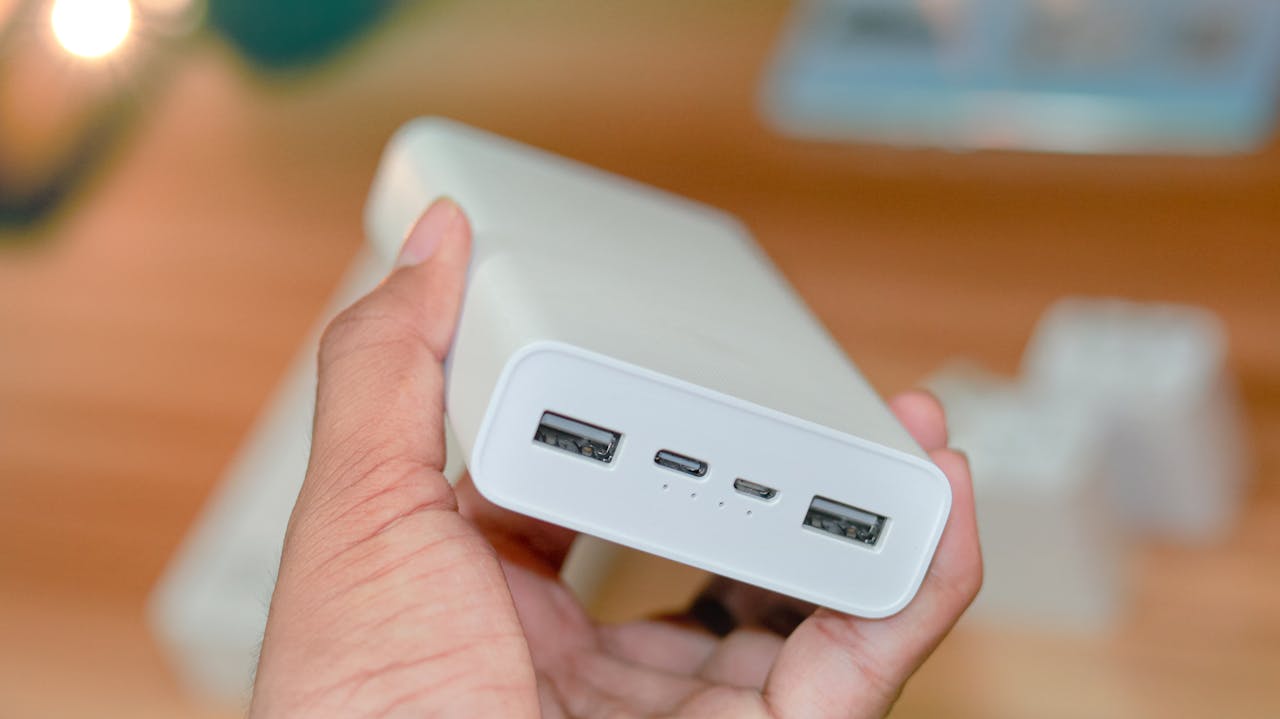
Airlines are tightening restrictions on a common travel essential – power banks – with major carriers warning passengers not to pack them in checked luggage and introducing stricter cabin rules. The move reflects growing concern among aviation safety experts about the risks posed by lithium batteries during flights.
Industry guidance has long discouraged placing power banks in hold baggage, but airlines are now reinforcing those rules more aggressively. In some cases, passengers are being told these devices must remain within reach at all times while onboard.
Why Airlines Are Concerned
According to the UK Civil Aviation Authority (CAA), lithium batteries pose a significant hazard due to a phenomenon known as “thermal runaway.” This occurs when a battery overheats uncontrollably, potentially leading to fire, explosion, and the release of toxic fumes – a situation that is far more dangerous if it happens in the aircraft hold.
For this reason, regulators and airlines insist that power banks and spare batteries be carried in the cabin, where cabin crew can respond rapidly to any incident.
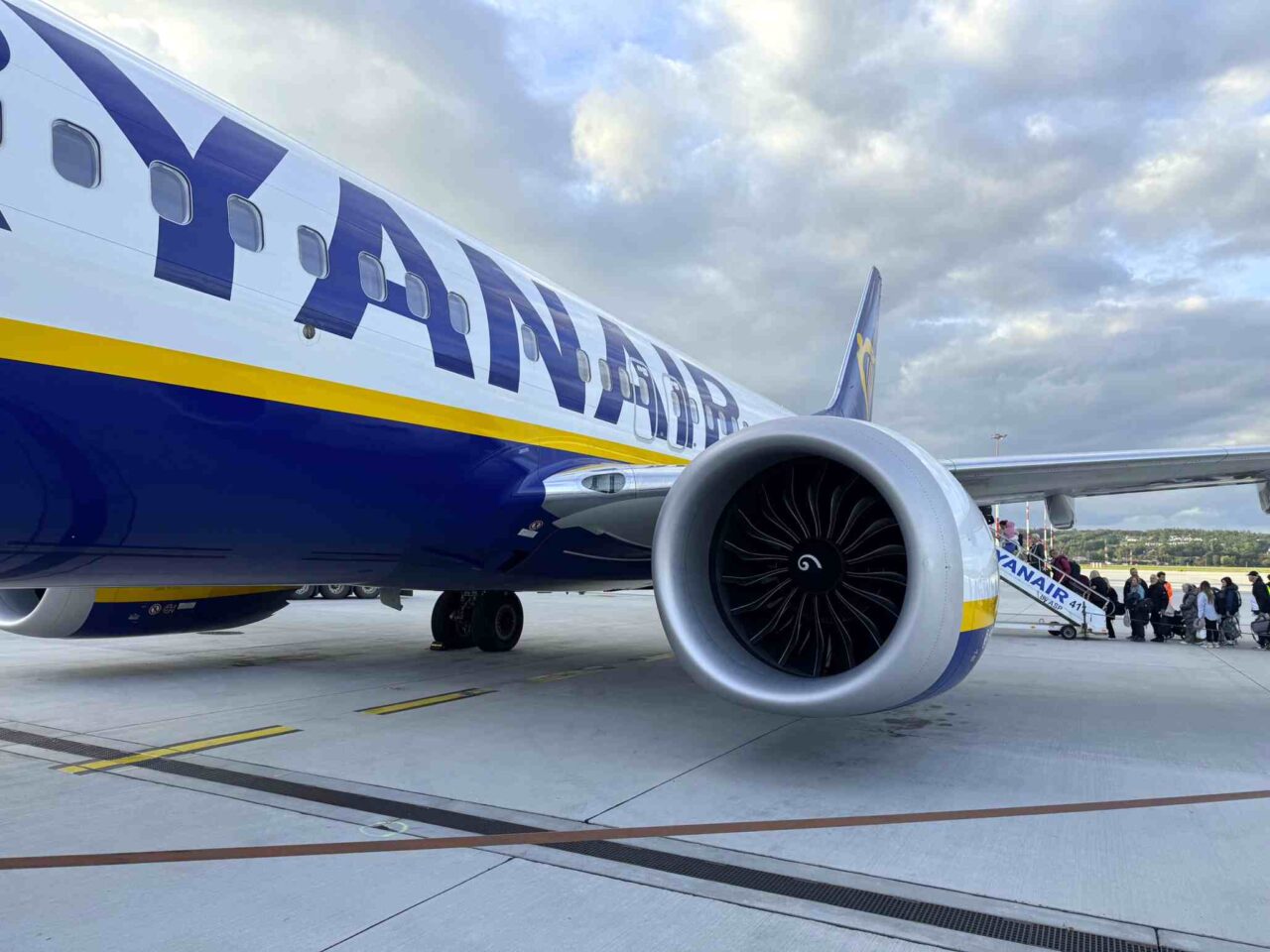
Ryanair Rules on Devices and Batteries
Ryanair allows passengers to carry up to 15 personal electronic devices, including smartphones, tablets, laptops and power banks. However, spare lithium batteries must be packed in hand luggage only and individually protected against short circuits.
Passengers may carry up to 20 spare batteries provided each does not exceed 100Wh. Devices or batteries exceeding this limit are generally not permitted, except in specific cases such as electric wheelchairs.
The airline also requires that power banks are not used during taxi, take-off or landing, and advises passengers to keep them on their person or under the seat rather than in overhead lockers.
EasyJet Restrictions Explained
EasyJet bans lithium-ion batteries and power banks from checked baggage entirely. Power banks under 100Wh are permitted in cabin luggage without prior approval, while those between 100Wh and 160Wh require airline authorisation.
Passengers are limited to 15 electronic devices and no more than two spare batteries. Any devices placed in checked luggage must be fully switched off and protected from accidental activation.
The airline also enforces strict rules on smart luggage. If the lithium battery cannot be removed, the bag will not be accepted for travel. Batteries must be detachable and carried into the cabin.
TUI Safety Measures
TUI maintains similar policies, prohibiting loose lithium batteries and power banks in checked baggage. These items must be stored in hand luggage and individually protected.
Power banks should not exceed 100Wh, and passengers are advised to avoid charging devices during the flight. Devices placed in the hold must be completely powered off and secured against damage.
The airline also states that approval is required when travelling with battery-powered medical devices.
What Travellers Should Do
Across the industry, the message is clear – power banks belong in carry-on luggage, terminals should be protected, and watt-hour limits must be checked before travel.
As airlines continue to tighten enforcement, failing to follow the rules could lead to delays at security, confiscated items, or even being refused boarding.