Germany is preparing for another packed year of open-air parties in 2026, with festivals, city celebrations and outdoor concerts expected to draw travellers across the country. The scale and variety of events underline Germany’s place as one of Europe’s most dependable destinations for summer travel and live entertainment.
The country’s open-air calendar typically stretches from spring into autumn, with major gatherings in cities, on lakesides and in rural festival grounds. For visitors, that means a wide choice of events combining music, food, beer and regional culture, often with easy rail links and strong transport connections.
Organisers across the country are positioning 2026 as a year for outdoor crowds, with large-scale parties expected to return to familiar venues and public spaces. Travellers planning ahead are being encouraged to book early, as popular festivals and accommodation can sell out well before the season begins.
Germany’s appeal lies partly in the range of experiences on offer. Big-name music festivals attract international acts and large crowds, while smaller local events give visitors a chance to experience neighbourhood traditions, street food and seasonal drinks in a more relaxed setting.
Many of the best-known celebrations take place in the warmer months, when cities and countryside venues host long evenings of live music and outdoor dining. In some places, festivals run late into the night, turning parks, squares and riverfronts into temporary party spaces.
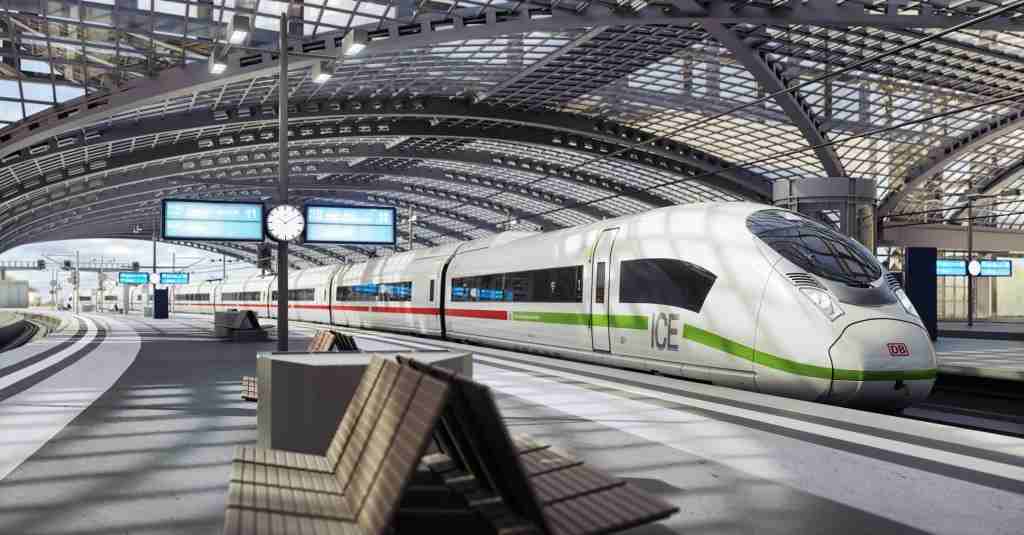
Travel experts often point to Germany’s transport network as a major advantage for festivalgoers. Trains, regional buses and urban public transport make it possible to reach many events without a car, although late-night services can be limited and advance planning remains important.
Accommodation is another key factor for visitors. Hotels in major festival cities can become expensive quickly, while campsites and short-term rentals near event sites are often booked months ahead. Travellers who want lower costs may need to look beyond the immediate venue area.
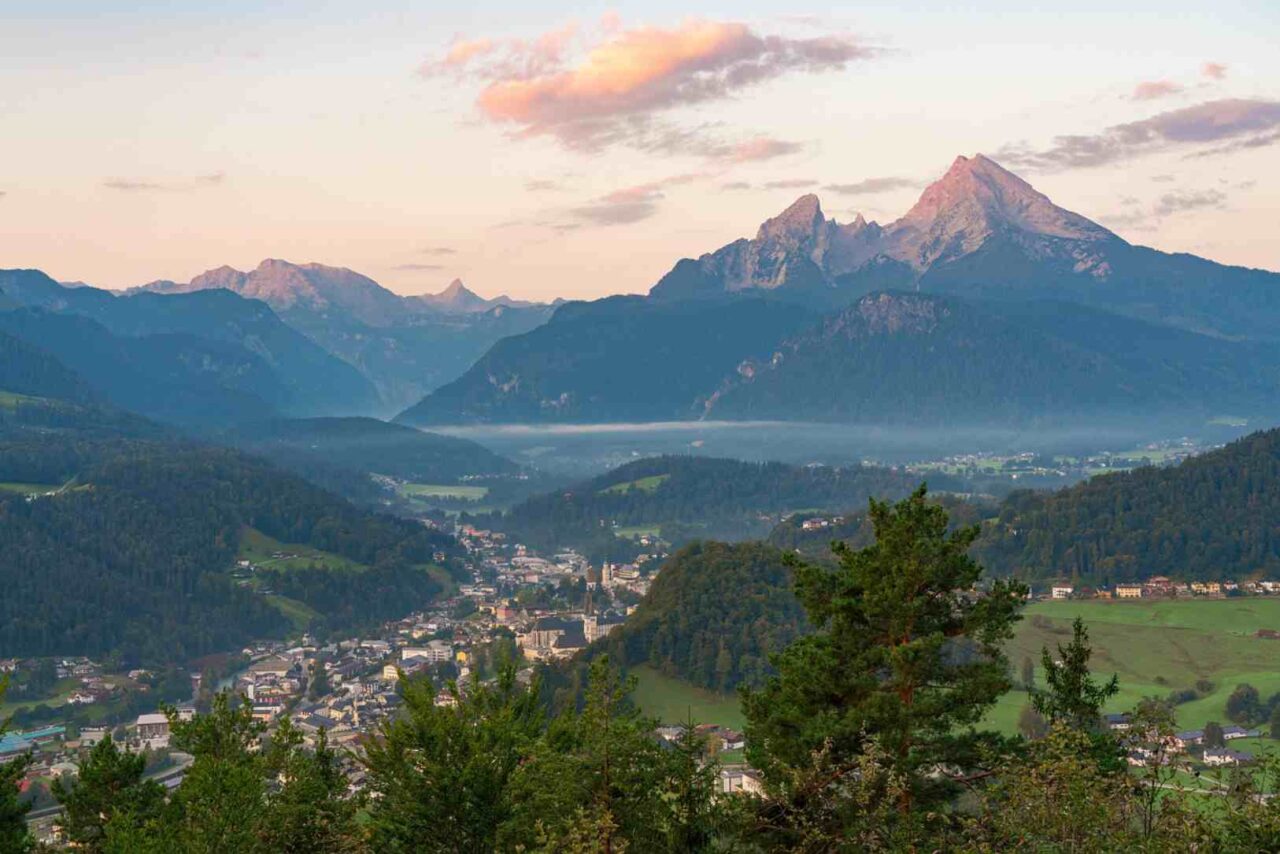
For international visitors, the draw is not only the parties themselves but also the chance to combine them with city breaks, scenic routes and local sightseeing. A festival trip can easily be linked with visits to historic centres, riverside towns or rural wine regions, depending on the event location.
Food and drink are likely to remain central to the experience. German open-air events often feature regional dishes, local beer and seasonal specialities, with organisers increasingly offering more choice for vegetarian and vegan visitors as well.
Safety and weather remain practical considerations. Open-air events can involve long walks, crowded entrances and changing conditions, so travellers are usually advised to carry water, sun protection and rain gear. In busy venues, clear meeting points and phone charging plans can also help.
For families, some German summer events offer daytime programming, quieter zones and activities for children, while others focus more heavily on nightlife and dance music. That variety gives travellers a chance to choose events that suit their pace and budget.
As the 2026 season approaches, Germany’s open-air party scene looks set to remain a major draw for domestic and overseas visitors alike. With a broad spread of events and strong infrastructure, the country continues to offer one of Europe’s most accessible summer festival experiences.