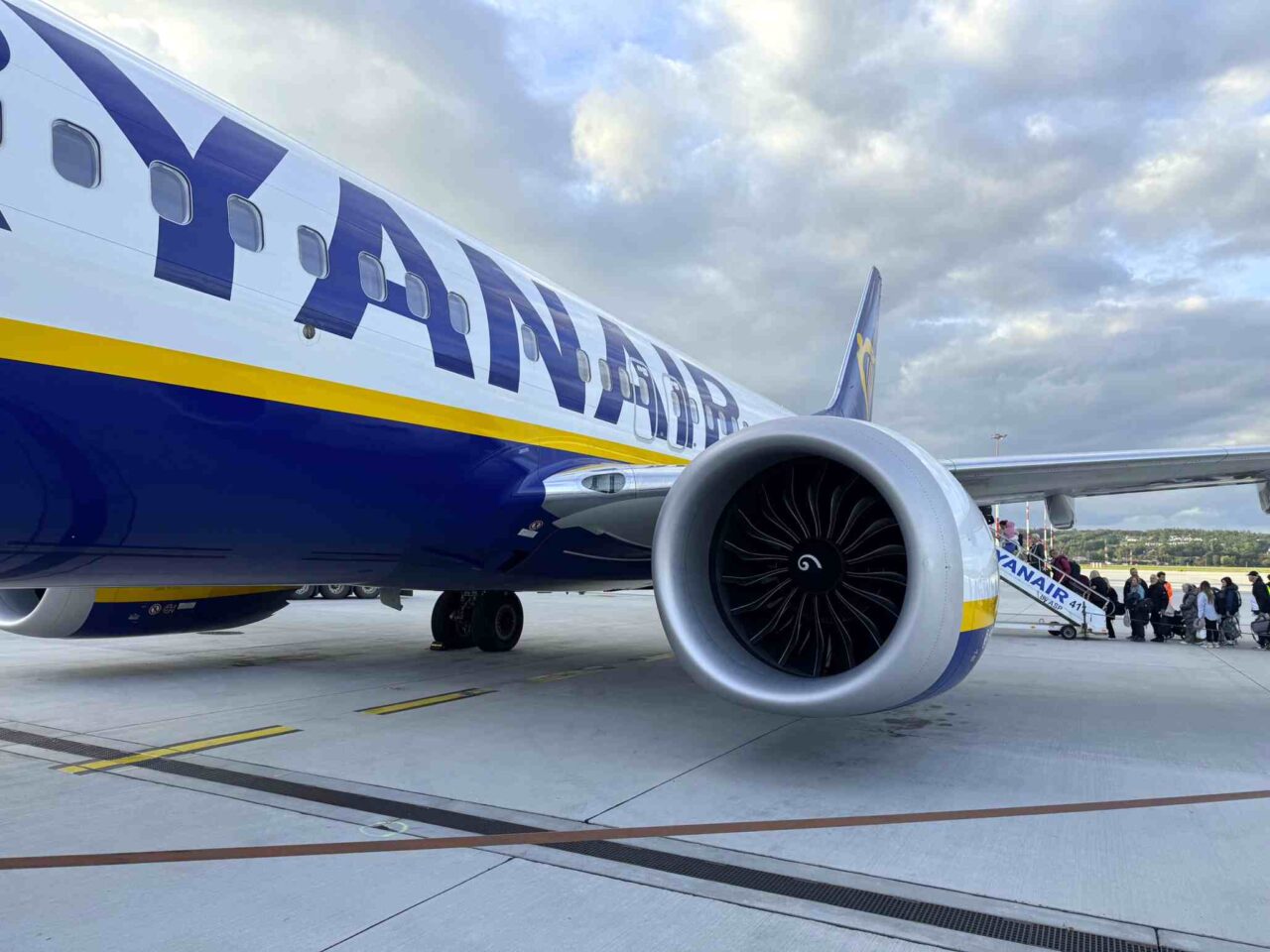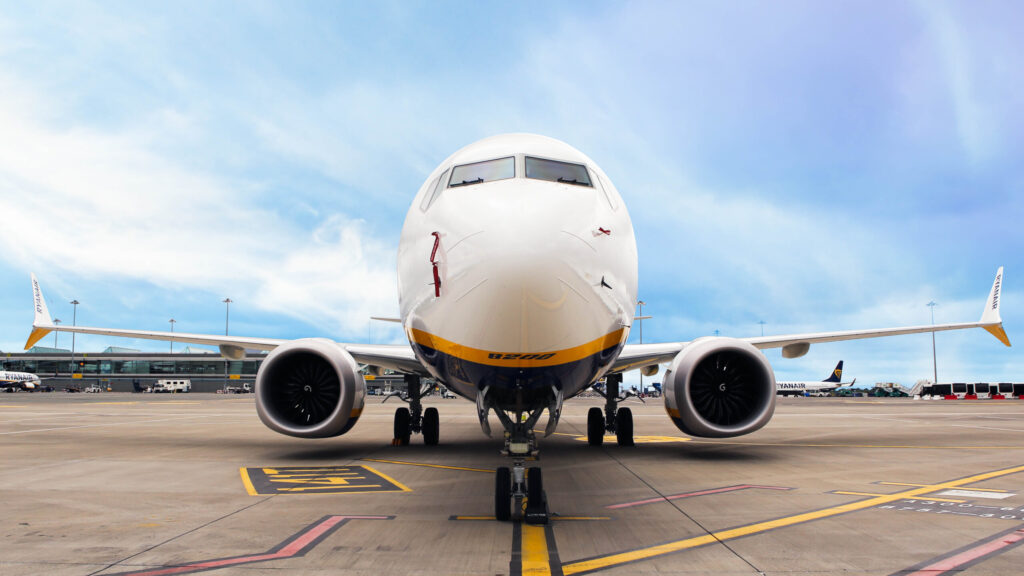
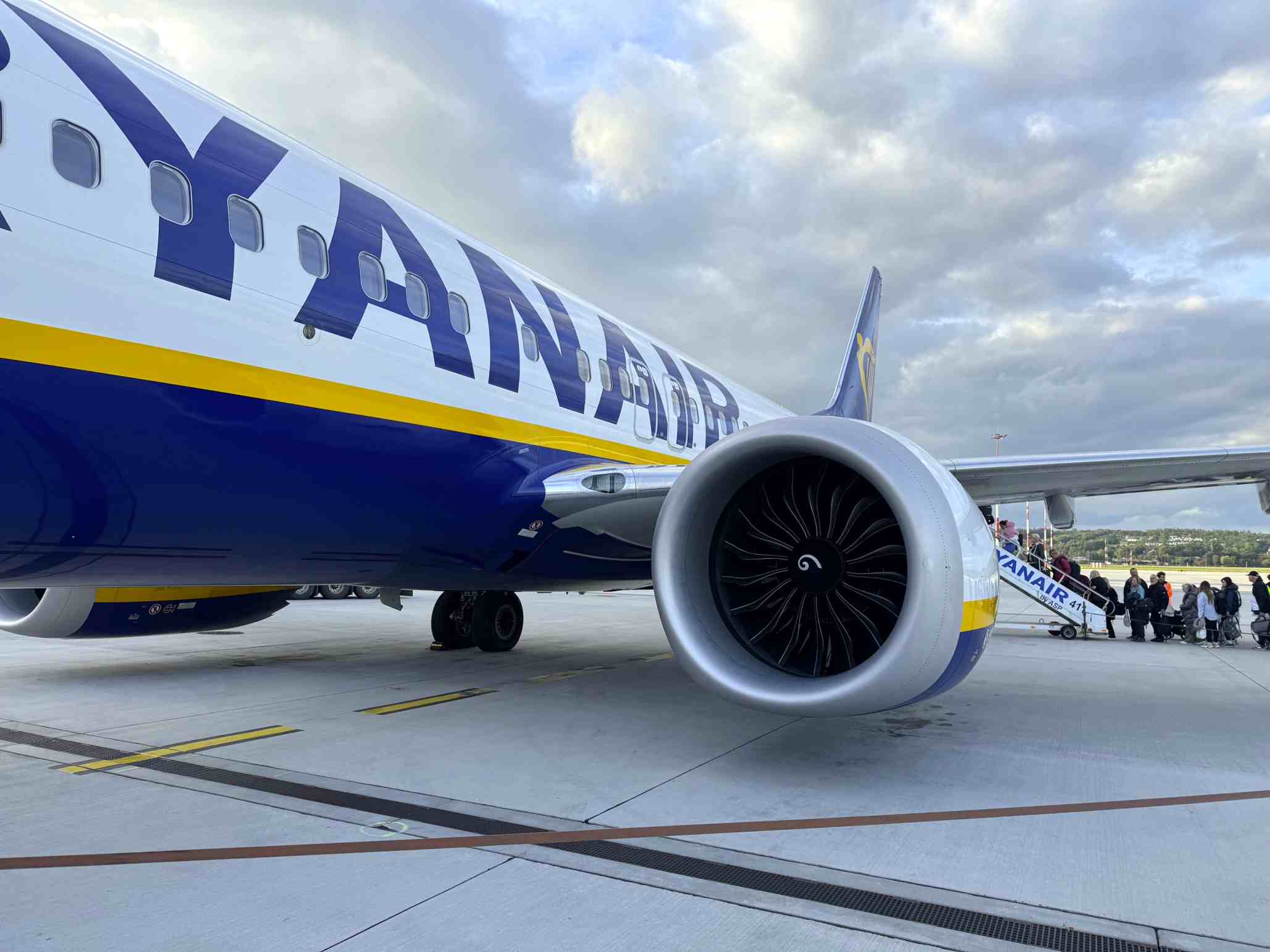
Ryanair reported a profit of €2.26 billion as the airline recorded a sharp rise in annual revenue, driven by strong passenger demand, higher ticket prices, and continued expansion across European markets.
The low-cost carrier said total revenue increased by 40 per cent during the reporting period, reflecting robust travel demand and sustained growth in both passenger traffic and ancillary services.
Revenue Growth Driven By Strong Travel Demand
Ryanair said rising passenger numbers and stronger fares contributed significantly to the airline’s improved financial performance.
The carrier continued benefiting from strong demand for leisure travel across Europe as consumers prioritised holidays and short-haul trips despite ongoing economic pressures.
Passenger Traffic Continues To Expand
The airline expanded its network across key European destinations during the year, adding capacity and increasing frequencies on several high-demand routes.
Ryanair has continued positioning itself as one of Europe’s largest low-cost carriers, supported by aggressive pricing strategies and fleet expansion plans.
Ancillary Revenue Remains Important
Additional revenue from services such as baggage fees, seat selection, onboard sales, and priority boarding continued playing a major role in Ryanair’s overall earnings performance.
The airline has increasingly focused on growing ancillary income streams alongside ticket sales as part of its long-term profitability strategy.
Airline Industry Continues Post-Pandemic Recovery
European airlines have continued benefiting from resilient travel demand as international aviation markets recover further from pandemic-era disruptions.
Industry analysts say strong summer bookings and continued appetite for leisure travel have supported earnings growth across much of the European airline sector.
Fleet Expansion Supports Long-Term Growth
Ryanair is continuing to invest in fleet modernisation and expansion as it targets further passenger growth in the coming years.
The airline has been taking delivery of new fuel-efficient aircraft aimed at reducing operating costs and supporting future network expansion across Europe and nearby international markets.