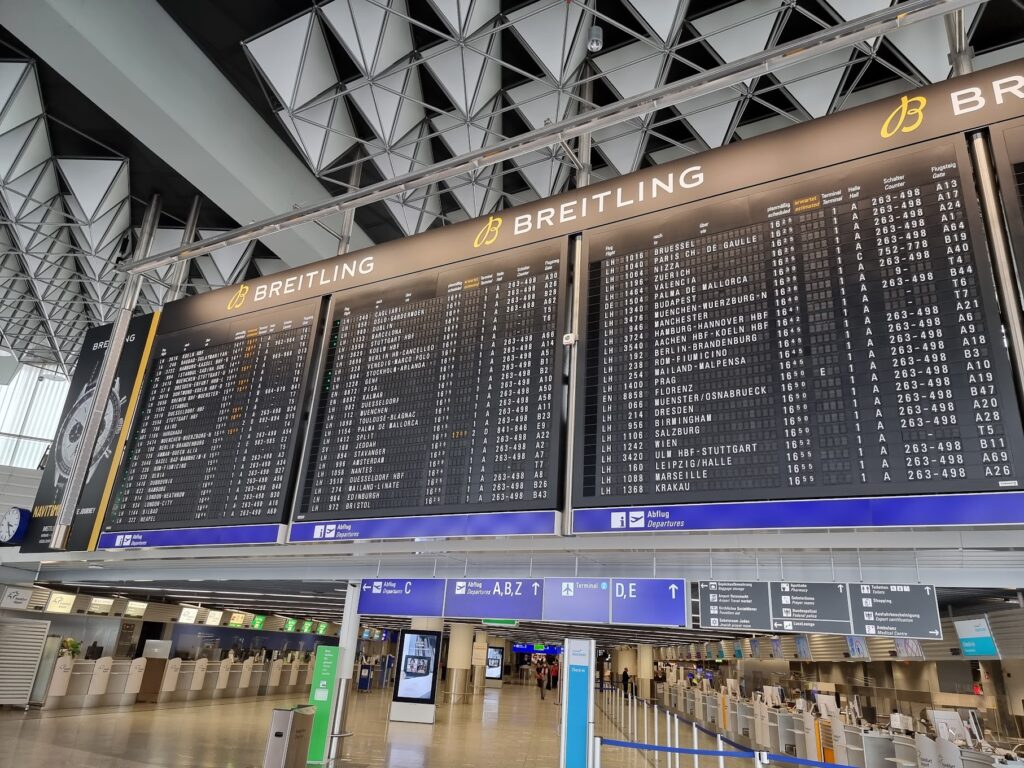
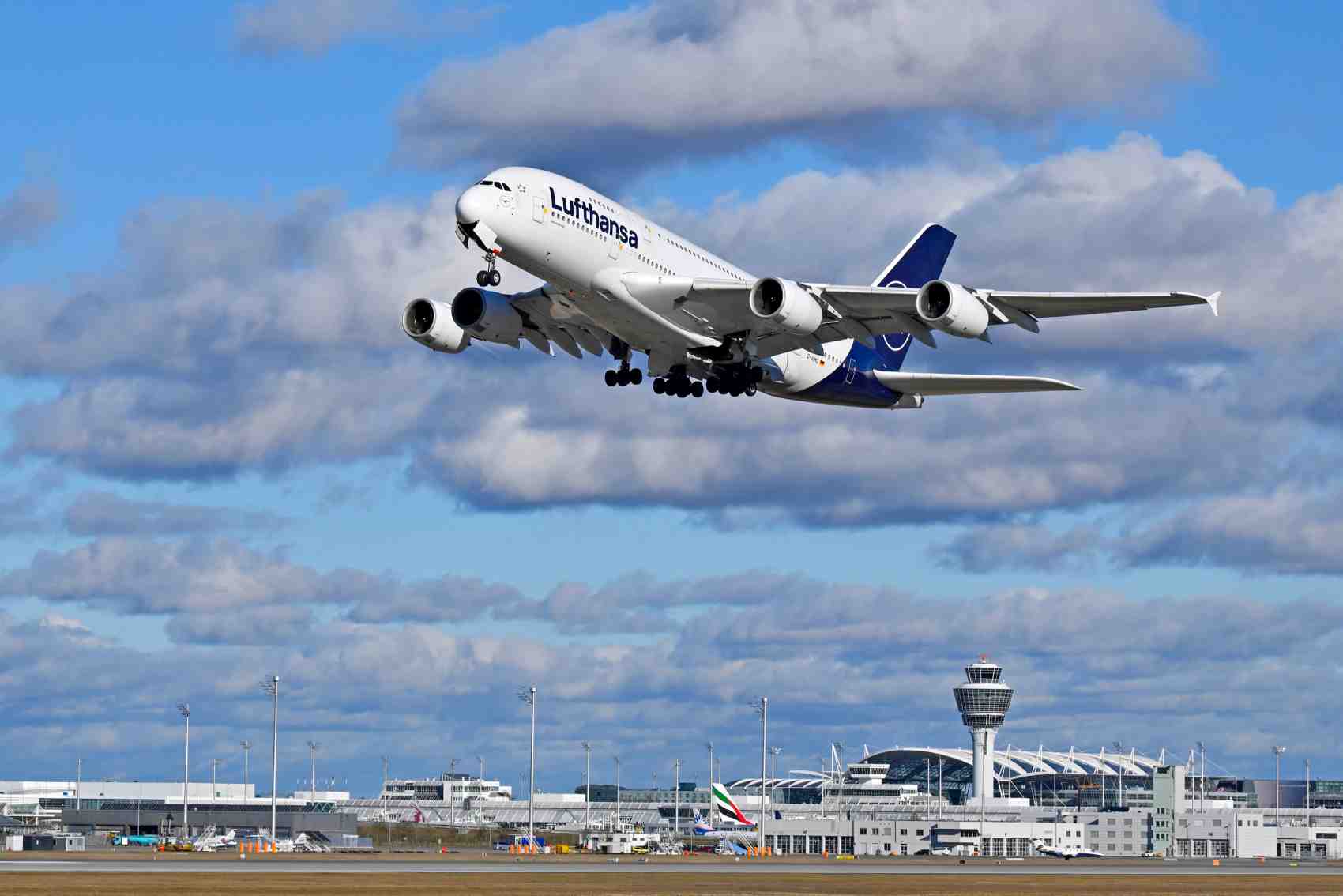
Travellers in Germany are facing disruption as a jet fuel supply crunch affects airports and airlines, prompting schedule changes and contingency measures across the country. Industry groups say tighter supply chains and logistics constraints have reduced the availability of aviation fuel, particularly at major hubs.
Airlines are adjusting operations in response, including adding fuel stops, carrying less cargo, and in some cases consolidating flights. Airports have activated coordination plans with suppliers to prioritise essential services and minimise knock-on delays.
Authorities say passenger safety is not at risk, but travellers should expect potential delays, longer turnaround times and last-minute schedule changes in the coming days. The situation remains fluid as operators work to stabilise supply.
The disruption stems from a combination of factors affecting the delivery of jet fuel to German airports. Industry analysts point to constrained refinery output in parts of Europe, low river levels affecting barge transport, and maintenance issues along key pipeline routes. Together, these have tightened the flow of fuel into airport storage facilities.
Frankfurt and Munich, Germany’s busiest hubs, are among the most closely monitored. Both airports rely on a mix of pipeline deliveries, rail and road transport to keep storage tanks replenished. When one mode is constrained, the system has limited flexibility to compensate quickly.
Airlines typically plan fuel loads precisely to balance safety margins with weight and cost. In a shortage, carriers may “tank” fuel at airports where supply is more reliable, meaning aircraft depart with extra fuel to reduce reliance on constrained locations. This can add weight and increase fuel burn, and sometimes requires limiting cargo or adjusting passenger loads on certain aircraft types.
For passengers, the most visible impact is on schedules. Flights may depart later while fuel logistics are arranged, or arrive with extended ground times. Some airlines have pre-emptively consolidated services on busy routes to ensure available fuel is used efficiently. Regional and short-haul routes can be more sensitive to disruption because they turn aircraft around more frequently.
Airlines have advised customers to check flight status before travelling to the airport and to allow extra time for connections. Travellers with tight onward plans are being encouraged to build in additional buffers or consider flexible ticket options where available.
Package holiday operators say most itineraries are proceeding, but some charter services have adjusted departure times. Business travellers may notice changes to aircraft type or routing, particularly on intra-European services. Long-haul flights are generally prioritised due to higher passenger volumes and complex network dependencies.
German transport authorities are coordinating with energy suppliers and airport operators to ease bottlenecks. Measures include reallocating deliveries, increasing road tanker capacity where feasible, and expediting maintenance on affected infrastructure. Industry bodies say the aim is to restore normal stock levels at key airports as quickly as possible.
There is no indication of widespread cancellations across the network, but the risk of disruption remains higher than usual. Consumer groups note that passenger rights under EU regulations still apply, including assistance and rebooking in the event of significant delays or cancellations, though compensation depends on the cause of disruption.
Travel experts recommend a few practical steps. Check airline notifications regularly and ensure contact details in bookings are up to date. Travel with essential items in hand luggage in case of delays. If connecting, consider alternative routings or longer layovers where feasible. For time-critical journeys, early departures in the day can offer more resilience if schedules shift later.
The jet fuel market has faced periodic strain in recent years, but the current pressure highlights the vulnerability of complex logistics chains to weather, infrastructure and supply-side constraints. Operators say lessons from this episode will inform contingency planning, including diversifying delivery routes and increasing storage buffers where possible.
For now, travellers can expect a cautious approach from airlines as they manage fuel availability day by day. Most journeys are still operating, but flexibility and preparation are key while the system works back to normal levels.