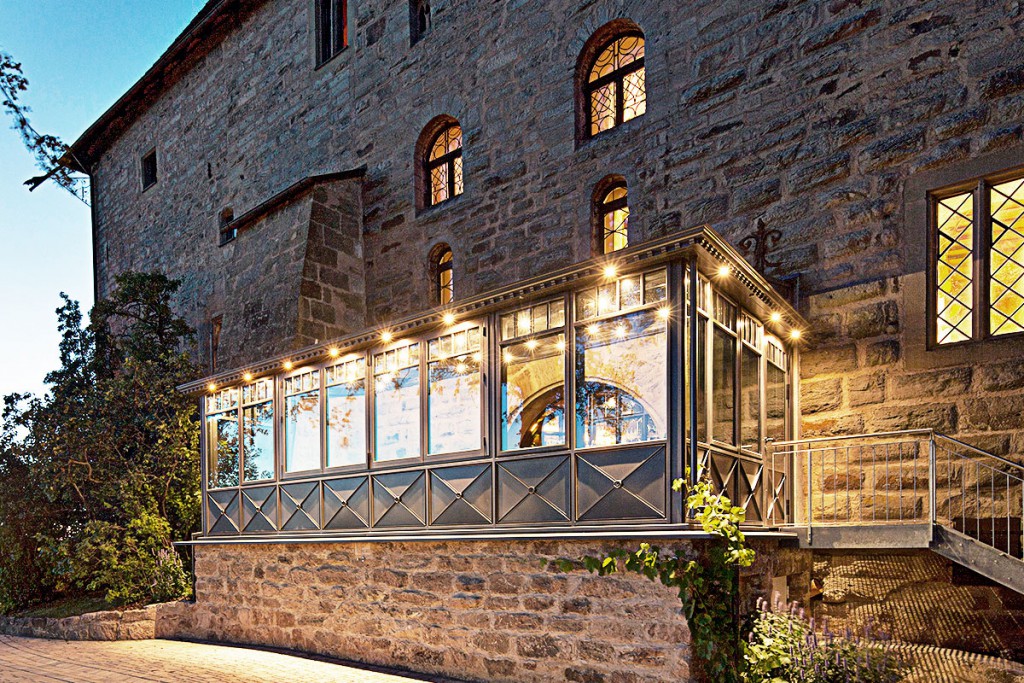
Germany’s castle hotels offer travellers a chance to sleep in some of the country’s most historic buildings, with eight properties highlighted for visitors looking for an unusual overnight stay.
The stays combine heritage, atmosphere and comfort, with rooms set inside former fortresses, palaces and manor houses. The appeal lies in the chance to experience life behind thick stone walls, often with views across forests, valleys or old town centres.
There is something quietly surreal about falling asleep in a place that has stood for centuries. In Germany, that experience is not reserved for royalty or historians – a network of restored castles across the country now operate as hotels, offering guests the chance to step into a slower, more atmospheric version of travel. Thick stone walls, creaking staircases, panoramic hilltop views – and, in many cases, excellent wine lists and spa facilities – redefine what a hotel stay can feel like.
What makes these places compelling is not just their architecture, but their dual identity. They are at once preserved monuments and functioning hospitality spaces, where medieval or aristocratic pasts meet modern expectations of comfort. The result is a spectrum of experiences, from rugged fortress stays to polished five-star retreats.
In Bavaria, Burg Colmberg offers one of the most authentic medieval environments you can still inhabit overnight. Originally built in the 13th century, it retains much of its original structure – thick defensive walls, timbered interiors, and a sense of isolation that feels deliberate rather than accidental. Staying here is less about luxury and more about immersion, though the rooms themselves are comfortably updated.
A very different atmosphere awaits at Schlosshotel Kronberg, a former imperial residence that now functions as a refined five-star hotel. The experience leans heavily into elegance – antique-filled salons, manicured gardens, and a sense of quiet formality. It is the kind of place where the historical narrative is present, but carefully polished.
Further west, in the Moselle wine region, Schloss Lieser blends heritage with contemporary hospitality. Its setting among vineyards shapes the experience as much as the building itself. Days here tend to revolve around wine, river views, and slow travel, rather than castle theatrics.
Some properties embrace their fairytale associations more directly. Hotel Burg Trendelburg, with its towers and enclosed courtyards, feels almost staged in its medieval charm. It is precisely this aesthetic clarity that makes it popular – it delivers exactly what many travelers imagine when they think of a “castle stay.”
At Schloss Weitenburg, one of the oldest continuously inhabited castles in the country, the mood is more understated. The setting above the Neckar valley provides sweeping views, while the interiors balance historic character with a lighter, more relaxed approach to hospitality.
For those drawn to scale, Burghotel Schnellenberg offers the presence of a true fortress. Its size alone – sprawling across a hilltop – reinforces the sense of stepping into a defensive structure rather than a decorative one. Yet inside, the experience is surprisingly accessible, with modern comforts integrated into the historic shell.
Closer to Cologne, Althoff Grandhotel Schloss Bensberg represents the baroque palace interpretation of the castle concept. Here, the emphasis shifts fully toward luxury – fine dining, expansive interiors, and a level of service that aligns more with high-end resorts than historic lodgings.
Finally, Schloss Waldeck demonstrates how these properties often benefit from their geography as much as their history. Overlooking a lake and a protected natural area, it combines panoramic scenery with a spa-oriented approach, making it as much a retreat as a heritage site.
What unites all of these places is not a single style, but a shared premise: the idea that history can be lived in, not just observed. In Germany, castles are not frozen in time. They are repurposed, reinterpreted, and, perhaps most importantly, made inhabitable – even if only for a night.