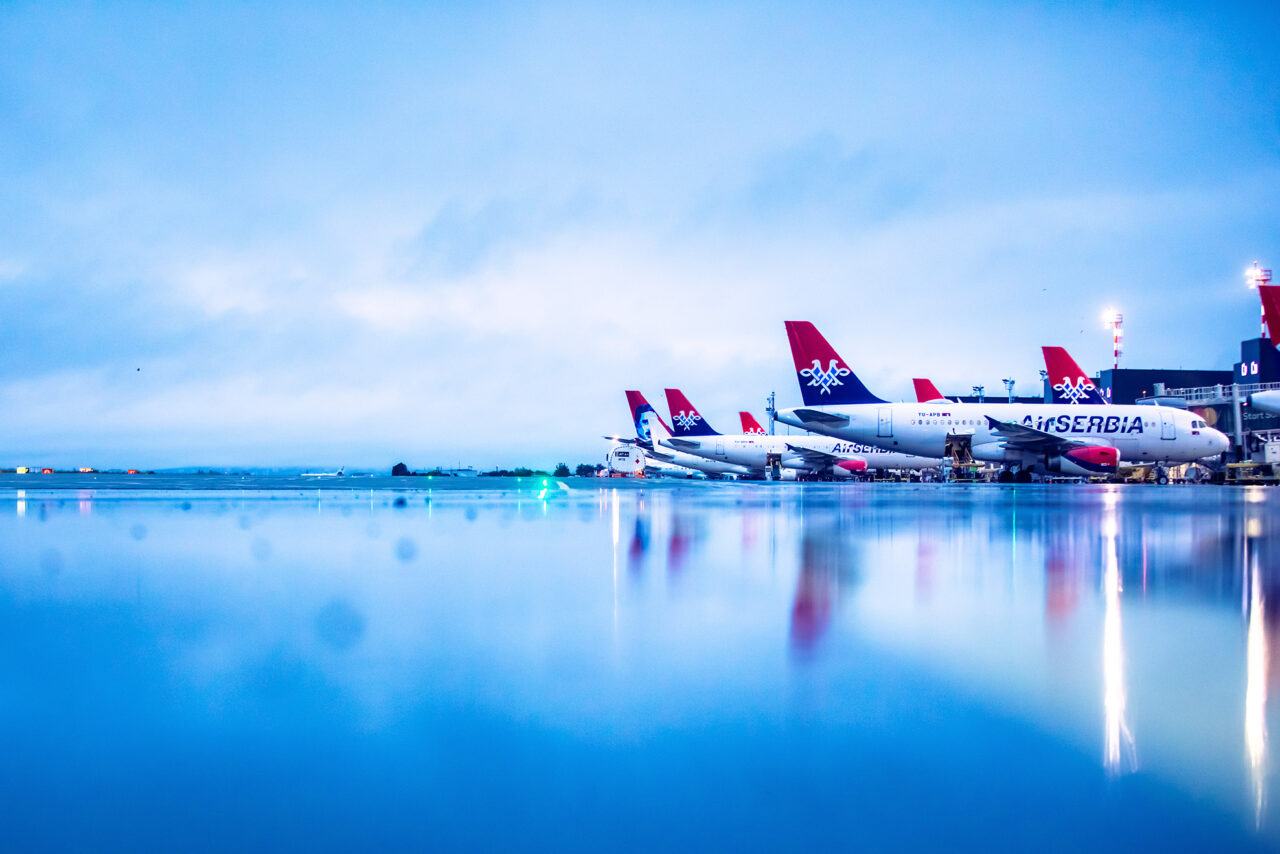
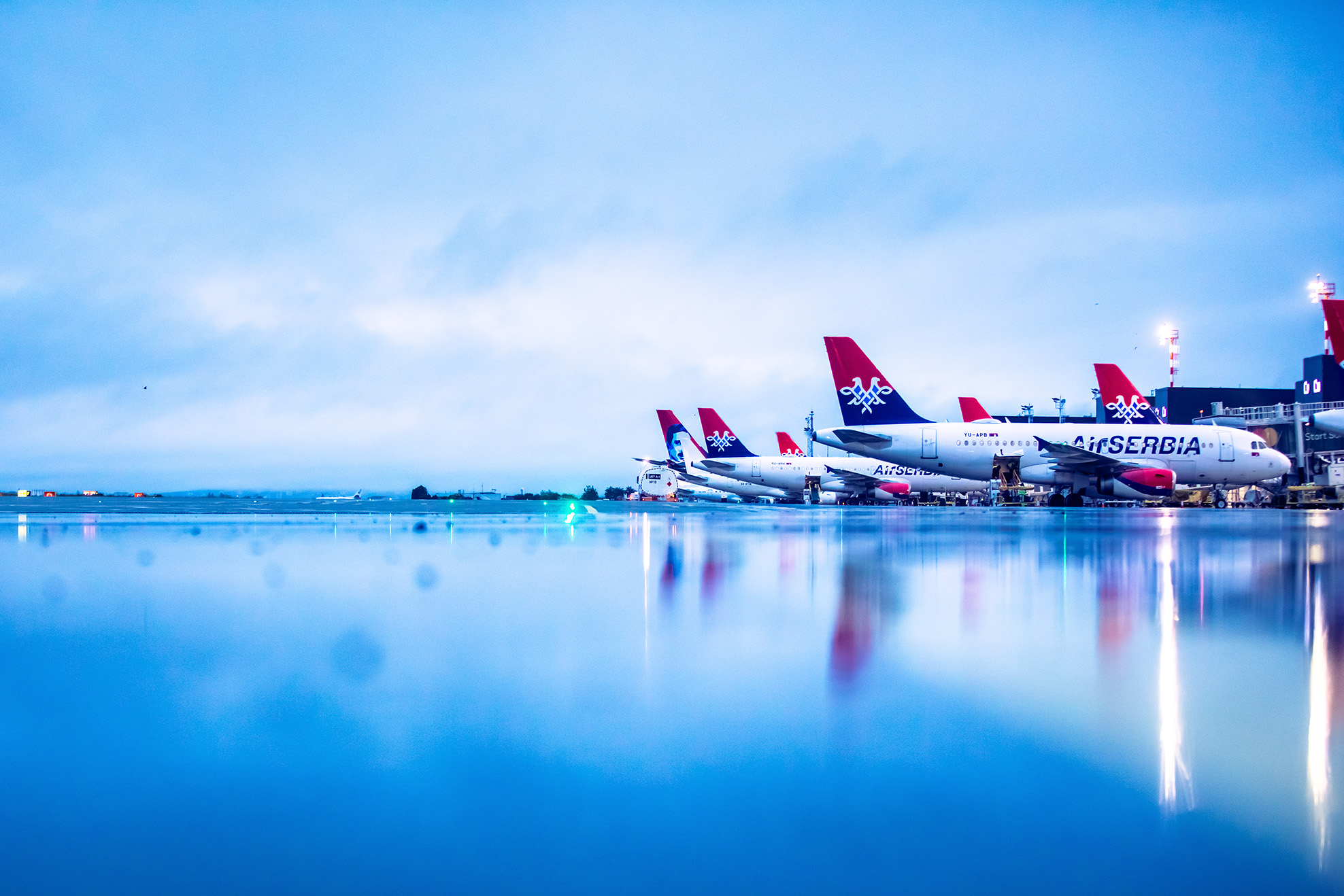
After nearly two decades, Air Serbia is restoring a key European air link, confirming the return of direct flights between Munich and Belgrade starting May 22, 2026. The relaunch marks the first time in 18 years that the Serbian capital will be directly connected to Bavaria’s largest city, a move expected to strengthen both tourism and business travel between the two regions. Flights will operate daily, with a flight time of approximately 90 minutes.
Daily schedule designed for flexibility
The airline has structured departures to suit a mix of travel needs across the week. From Munich, flights will depart in the morning at 9:30 a.m. on Mondays, Tuesdays, Thursdays and Saturdays. On Wednesdays, Fridays and Sundays, departures shift to an evening slot at 8:15 p.m.
From Belgrade, early morning departures at 7:10 a.m. are scheduled on the same four days, while late afternoon flights at 5:55 p.m. will operate on the remaining days. This staggered timetable offers flexibility for both short business trips and longer leisure stays.
Modern aircraft and onboard experience
The route will be operated using Embraer E195 aircraft, configured with 118 seats across Business and Economy Class.
The aircraft choice reflects a balance between efficiency and comfort, allowing the airline to maintain frequency while catering to varied passenger demand on a relatively short-haul European route.
Strengthening regional connectivity
According to Jost Lammers, the return of Air Serbia coincides with infrastructure expansion at Munich Airport, including the opening of a new pier at Terminal 1. He noted that the renewed service enhances links not only to Serbia but across the wider Balkan region, giving passengers more travel options from southern Germany. For Jiří Marek, the route represents a strategic connection between Serbia and Bavaria – one of Europe’s most economically dynamic areas – offering clear benefits for both business travellers and tourists.
A route with renewed relevance
The reinstatement of the Munich–Belgrade connection reflects broader trends in European aviation, where regional routes are being revived to meet growing demand for direct, time-efficient travel.
For travellers, the return of this link removes the need for connecting flights, significantly reducing travel time between two important cultural and economic centres.
As summer travel demand builds, the route’s comeback signals renewed momentum in European air connectivity – and a strengthening relationship between Central Europe and the Balkans.