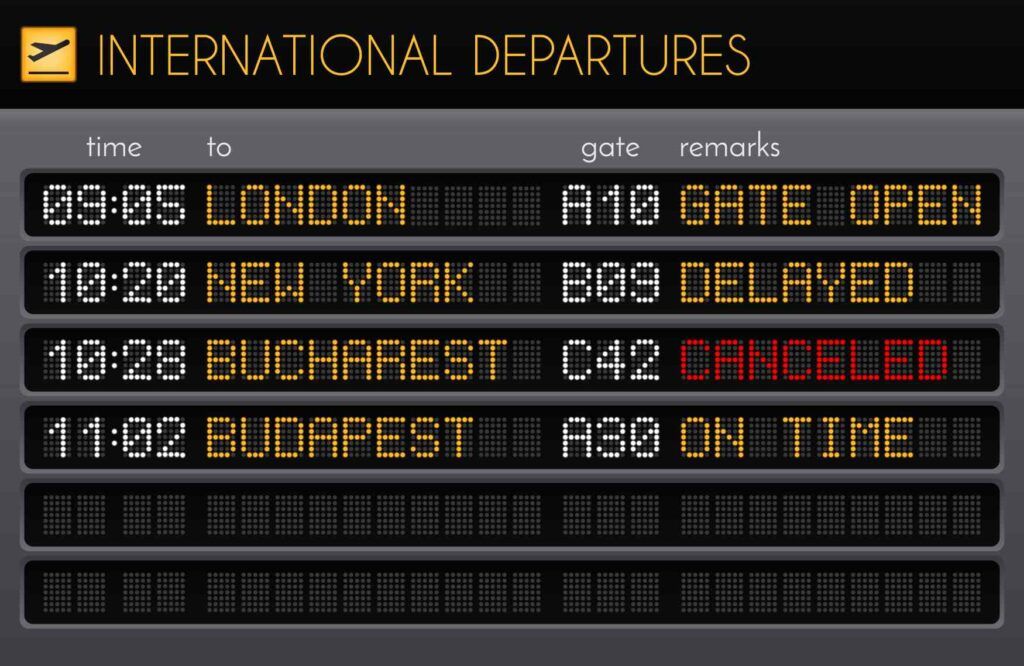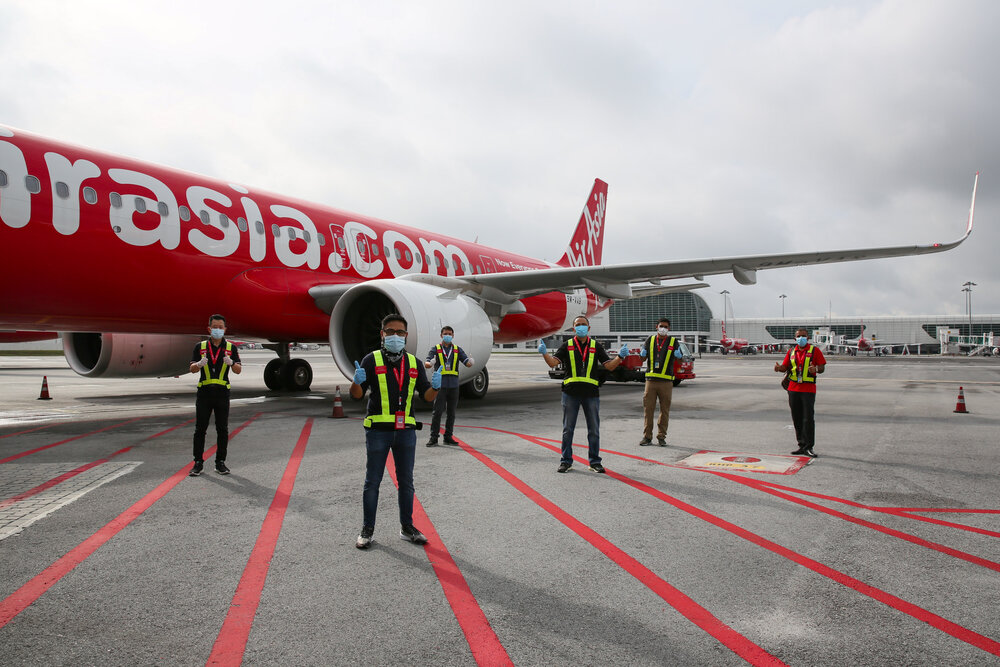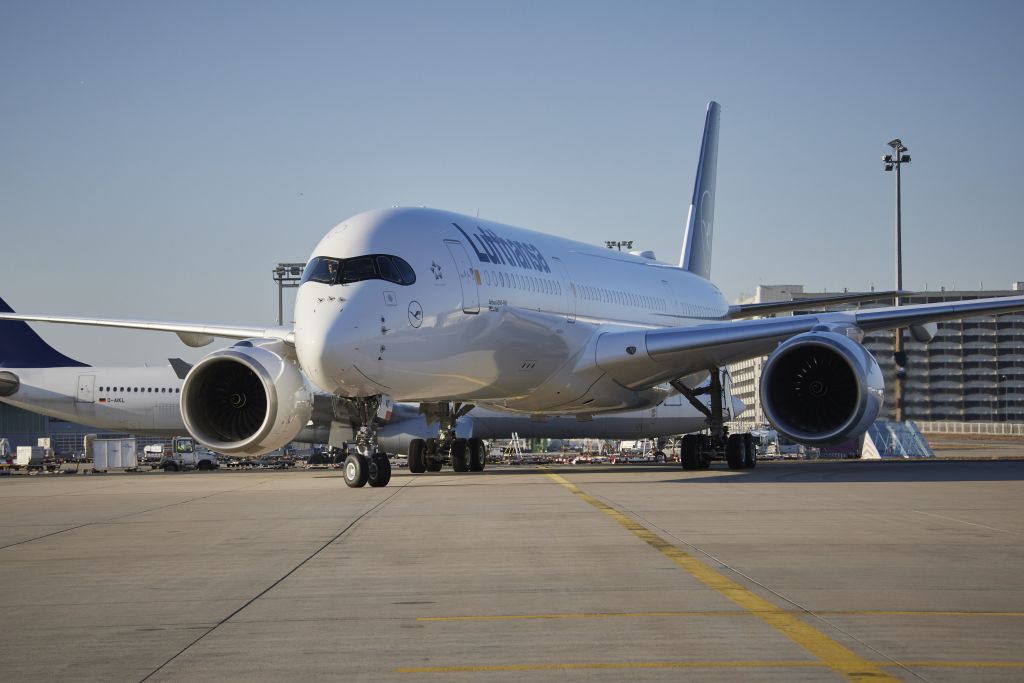

Air travel across Asia is facing significant disruption, with more than 1,600 delays and nearly 200 cancellations recorded in the past 24 hours, leaving passengers stranded at some of the region’s busiest airports.
Major hubs affected include Chengdu Tianfu International Airport, Soekarno-Hatta International Airport, Kunming Changshui International Airport, Suvarnabhumi Airport, and Kuala Lumpur International Airport.
Together, these airports recorded 1,666 delays and 188 cancellations, highlighting how disruption at a handful of key hubs can ripple across the wider aviation network.
A system under pressure
The latest figures are part of a broader pattern of instability that has been building across Asia since early March. Even relatively minor disruptions are now triggering major knock-on effects, as airports operate close to capacity with limited flexibility.
Airlines operating dense regional networks — particularly between Chinese cities and Southeast Asian capitals — are among the most affected. When early flights depart late, aircraft and crews fall out of position, creating rolling delays throughout the day.
For passengers, this translates into missed connections, overnight stays, and rising out-of-pocket costs for accommodation and meals.
Weather and infrastructure issues
In Indonesia, disruption has been compounded by recent storms affecting Jakarta. Heavy rainfall forced flight diversions and delays earlier in the week, with impacts still being felt across schedules.
A separate incident involving a partial ceiling collapse in Terminal 3 at Soekarno-Hatta added further strain, forcing adjustments to boarding procedures and increasing congestion inside the airport.
Elsewhere, weather continues to play a role. Airports in southwestern China, including Chengdu and Kunming, are particularly vulnerable due to mountainous terrain and rapidly changing conditions, which can limit arrival and departure rates.
At Bangkok and Kuala Lumpur, the issue appears less weather-related and more operational. High traffic volumes, combined with limited runway and ground handling capacity, are creating bottlenecks during peak periods.
Global ripple effects
The disruption is also linked to wider geopolitical factors. Airspace restrictions in parts of the Middle East have forced airlines to reroute long-haul flights between Europe, Africa, and Asia.
These longer routes increase flight times and reduce aircraft availability, limiting the ability of airlines to recover from delays. As a result, even a single late arrival can disrupt multiple subsequent flights across the network.
What it means for travellers
For travellers across Asia, the current environment means reduced reliability and increased uncertainty.
Airports are experiencing:
Longer queues at check-in and boarding
Rapidly changing departure schedules
Increased likelihood of missed connections
With demand remaining high and operational margins tight, delays are likely to persist in the short term.
Passengers are advised to monitor flight updates closely, allow extra time for connections, and be prepared for potential changes as airlines work to stabilise schedules across the region.