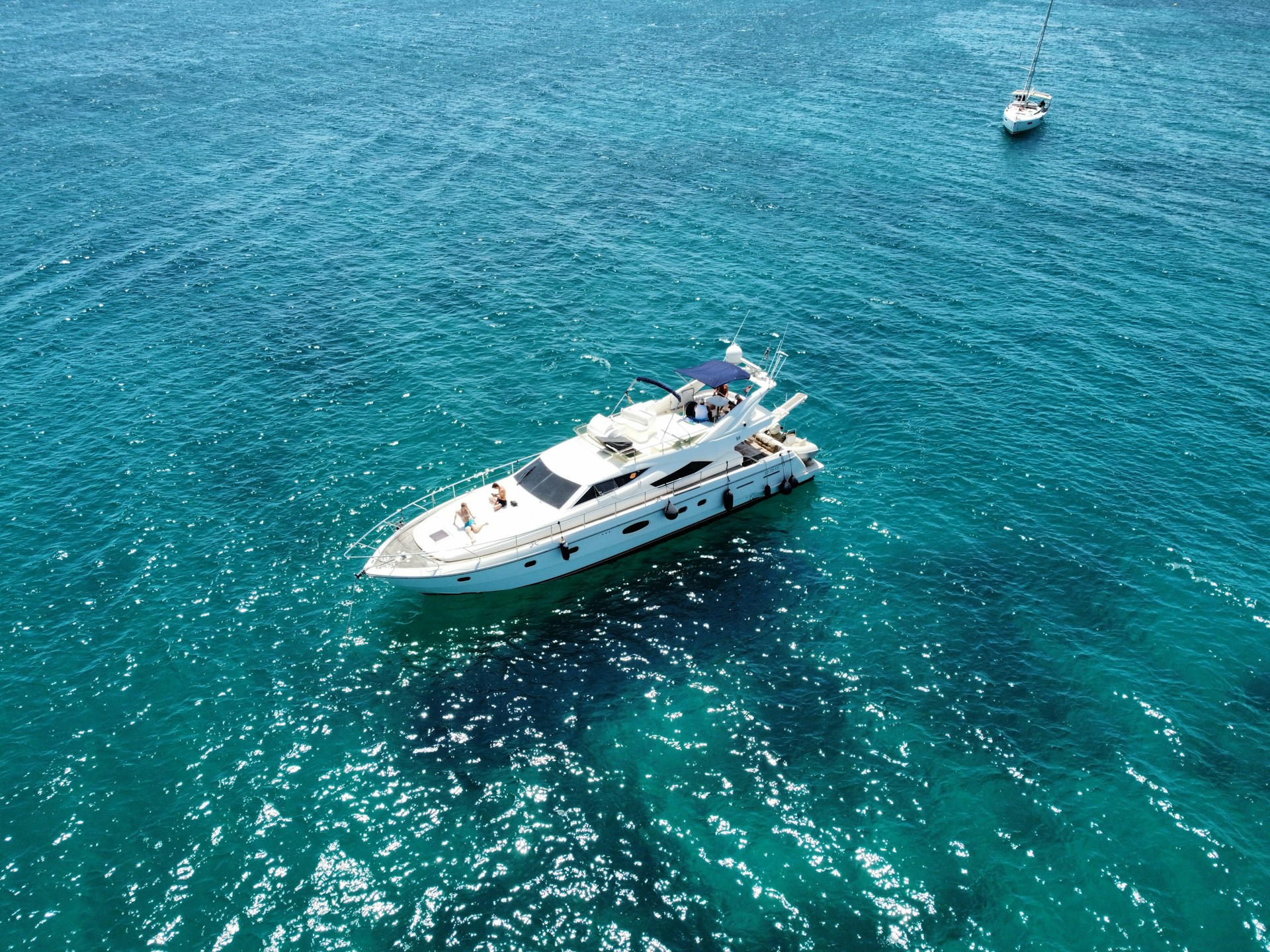
Yacht design has changed a lot over the years, making coastal trips more comfortable and enjoyable. Much of this change comes from new technology and a growing focus on protecting the environment, helping make yachting easier to access and more eco-friendly.
Modern yachts now use advanced materials and building methods, which make them stronger, lighter, and more efficient. New digital tools also help designers create greener yachts that use less energy and have less impact on the ocean while still giving a smooth sailing experience.
Innovation is helping the industry reduce waste, save energy, and protect marine life. New ideas like hydrogen fuel and alternative engines are being explored to create cleaner and quieter boats.
These changes are important for the future of yachting. Today’s yachts show that luxury and sustainability can work together, offering a better and more responsible way to enjoy the sea.
The Role of Sustainable Yacht Design
Sustainable yacht design has come a long way, with big progress made in reducing the environmental effects of life at sea. Designers are swapping out traditional composites for natural fibres, making yachts easier to recycle and cutting down on pollution. One of the most exciting breakthroughs is large-scale 3D printing with fibre-reinforced materials, which not only makes each yacht more personal but also uses materials much more efficiently, a win for anyone thinking about waste.
Digital technology is also changing the way yachts operate, helping crews work more efficiently while keeping an eye on the planet. Real-time systems now monitor and manage essentials like energy and water, which is crucial if you’re spending weeks away from land. Features such as automated controls and next-generation energy systems make it possible to tap into renewable sources like solar and wind, meaning less need for polluting fuels and a cleaner sailing experience overall.
These advances are fast turning yachts into flagships for resourceful, eco-friendly luxury. By taking on both better materials and digital tech, the industry is showing that adventure and comfort can go hand-in-hand with taking care of our oceans.
Technological Innovations in Yachting
High-speed internet has quickly become a must-have for life at sea and has completely changed what you can expect from yachting. Yachts used to be all about getting away from it all, but now they blend adventure and relaxation with the comforts of home. With fast Wi-Fi, you can enjoy streaming your favourite shows, jump on work calls, or catch up with friends and family without waiting until you’re back on land. This means you can stay out longer without worrying about missing out on important meetings or personal moments.
Up-to-date connection also provides live updates on weather and sea conditions, helping captains make better decisions in real time. Quick, reliable communication can be a lifesaver in emergencies and adds peace of mind on every trip.
Modern stabilisation technology is another game changer for onboard comfort. No more drinks sliding off tables or guests feeling queasy; today’s systems keep yachts steady even when the waters get choppy. There are two big players here: fin stabilisers, which stick out from the hull and move to balance the yacht, work especially well for bigger vessels or when moving at speed. Meanwhile, gyroscopic stabilisers use a spinning flywheel to steady things, and they still work even when anchored. These additions make cruising much more enjoyable, and they can even increase the value of the yacht while making new destinations easier to reach.
Pioneering Yacht Concepts
There’s a real buzz around making yachting cleaner and greener, and zero-emission yachts are leading the charge. These superyachts draw their power from renewable sources like solar panels and wind energy, so they don’t have to rely on fossil fuels to get around. That means far fewer emissions, less pollution, and a better outlook for our oceans. Plus, it’s showing that luxury doesn’t have to come at a cost to the natural world.
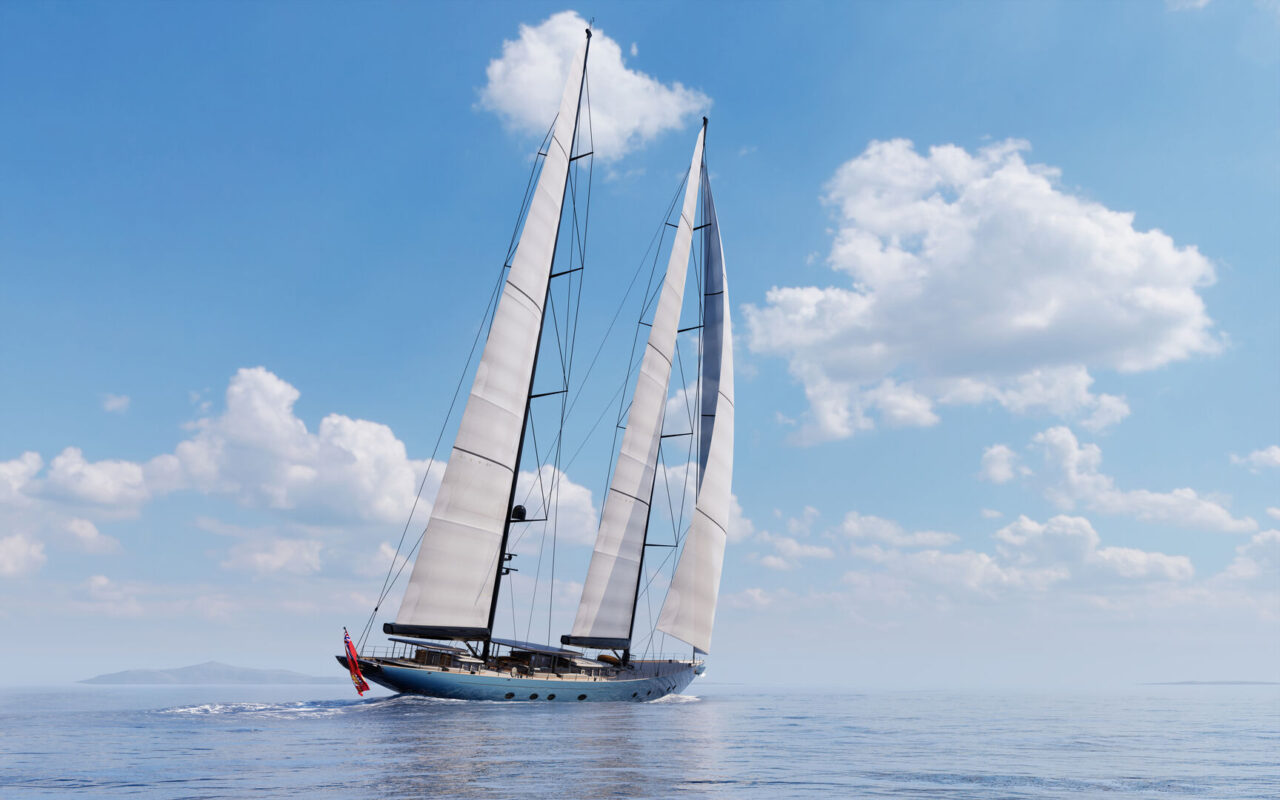
The upcoming sailing yacht ZERO takes this idea to another level. Due to hit the water in 2025, it’s the result of collaboration between Vitters, Dykstra Naval Architects, and Vripack Yacht Design—all big names in the business. Their team is experimenting with clever ways to use both solar energy and hydrogeneration for onboard power, aiming to run systems like the lighting and air conditioning using just sun and water. This move could prove that a large yacht really can ditch traditional fuels altogether.
In a welcome move, every bit of research from the project is being made public through Foundation Zero, so anyone in the industry can learn from it and help quicken the shift to more environmentally friendly yachting. Projects like ZERO are setting the pace by proving zero-emission cruising isn’t just an idea, it’s becoming a reality, and could spark plenty of new breakthroughs for the whole industry.
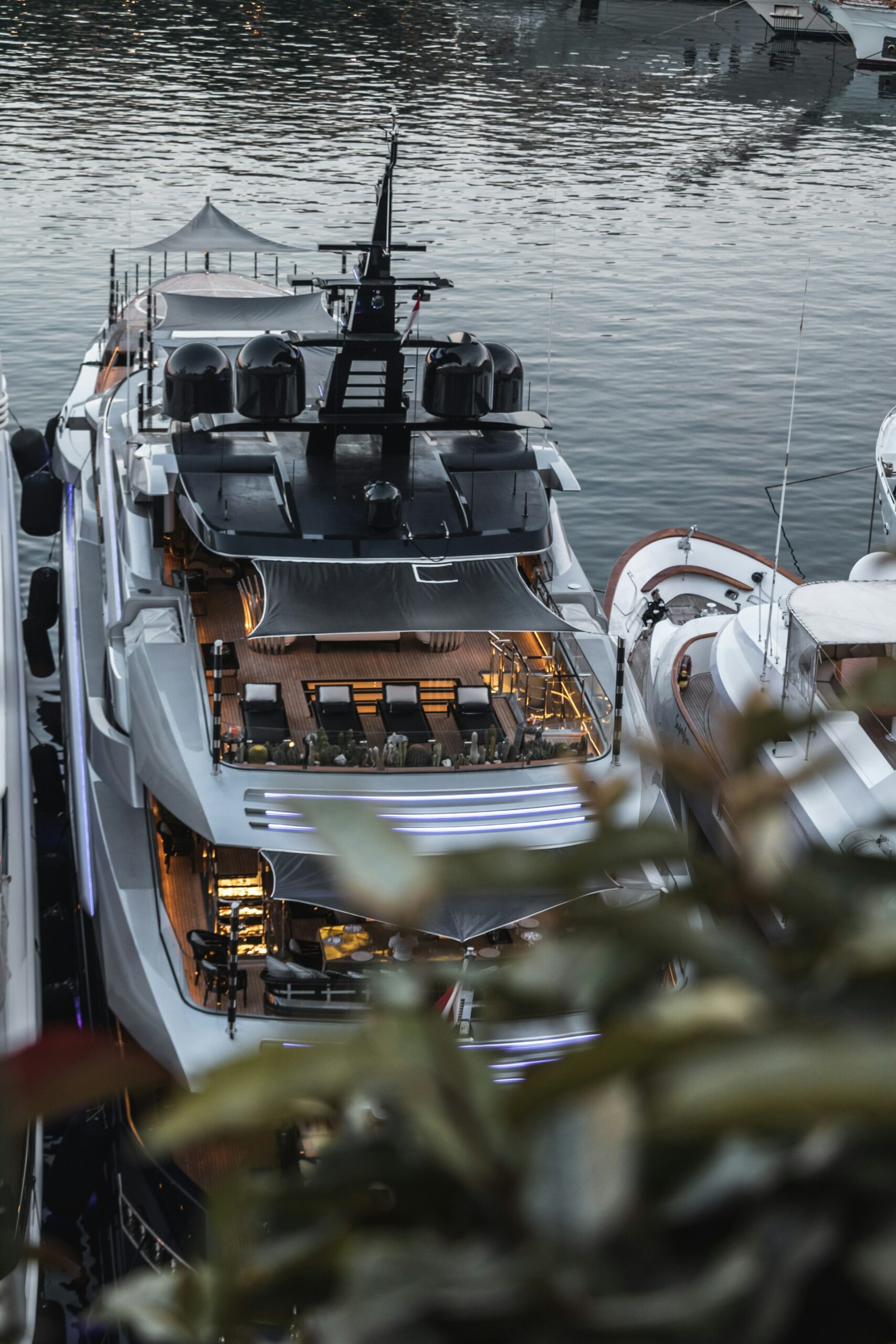
Invisible Technology and Design Aesthetics
Invisible technology is quietly transforming yacht design, bringing a fresh balance of looks and practicality. One of the standout additions is smart-glass walls, which glide between clear and opaque at the press of a button. This clever feature means you get both privacy and a sense of spaciousness, without the clunky blinds or bulky dividers.
Hydraulically powered retractable platforms and awnings have also become favourites. These sleek elements tuck themselves away when not needed, preserving that classic, minimalist look many yacht owners crave while making the most of every inch onboard.
AI and digital assistants are stepping in to make the journey easier. Modern systems offer real-time advice on route planning, weather, and sea conditions, so you can focus on sailing or relaxing. They also run key amenities like lighting, climate, and entertainment, automatically setting the mood or temperature depending on your preferences.
With smart-home tech now standard on many vessels, you can fine-tune lighting, queue up a film, or adjust the jacuzzi by speaking or tapping a panel. This hands-on control adds a level of comfort that blends high-tech convenience with all the trimmings of home.
All these changes do more than make yachts look ultra-modern; they reshape what it means to enjoy time at sea, giving you a smarter, more enjoyable experience each time you step on board.
Future Trends and Ambitions in Yacht Innovation
Looking ahead, the yacht industry is putting more thought into environmental impact at every stage of a yacht’s life, not just when it’s out on the water. Designers and builders are now taking stock of everything from construction methods to which parts can actually be recycled once the yacht is retired. There’s a push to use fewer difficult-to-recycle composites like fibreglass by swapping them out for greener options that tread more lightly on the planet.
Life cycle assessments are becoming a routine part of new projects. These make sure that decisions around materials, noise reduction, and energy use are based on hard evidence, making yachts much cleaner both above and below the waterline. Yards are even looking at how design can help save energy or limit the kind of underwater noise that disturbs sea life.
On a different note, the move towards more personal, client-led design is only growing. Take the Nemo – Design 4 Yacht Flexible Customisation project: it’s shown how clients want spaces and features that match their lifestyles, without forgetting sustainability. Thanks to massive progress with 3D printing, it’s now far easier to create components that are both unique and friendlier to the environment, giving owners and builders some welcome flexibility.
The bigger picture here is clear. Yacht makers are finding a balance between personal taste and responsible production, and there’s now genuine momentum to prove that luxury boating can be both eye-catching and eco-friendly. What used to be an industry focused mostly on glitz and glamour is now just as serious about the health of the seas as the comfort of those on board.
Taking Coastal Adventures to New Heights
Yacht designers are shaking up coastal exploration by finding ways to combine eco-conscious design with sheer indulgence. Take Malcolm McKeon Yacht Design and their award-winner SARISSA, for example. She’s admired for smooth sailing, but also for clever tweaks that lighten her load and keep carbon costs low, thanks to a focus on efficient hull shapes and careful choices in materials. Features like airy, open-plan decks and generous beach clubs bring those onboard right to the edge of the water, blurring the line between the yacht and its surroundings. Notably, concepts like Axopar’s approach to yacht design are pushing the industry to rethink how practicality, luxury, and sustainability can coexist within innovative hull and deck plans.
One of the most exciting shifts is the rush to use alternative energy onboard. The ZERO superyacht project, led by Vitters and Dykstra Naval Architects, is showing that fossil fuel-free yachting isn’t a pipe dream. Solar panels and wind power now keep crucial systems running, and the project keeps its research out in the open so others can follow suit and help speed up progress across the industry.
All this new tech isn’t just about protecting our seas, though; it’s also rewriting what “luxury” means on the water. Today’s advanced yachts prove that you don’t have to give up comfort or adventure to enjoy guilt-free cruising. Those who choose these new innovations aren’t just getting a fantastic getaway, they’re helping ensure our marine playgrounds can thrive for years to come.
Photo by Danilo Capece, Jelle Baerts on Unsplash.