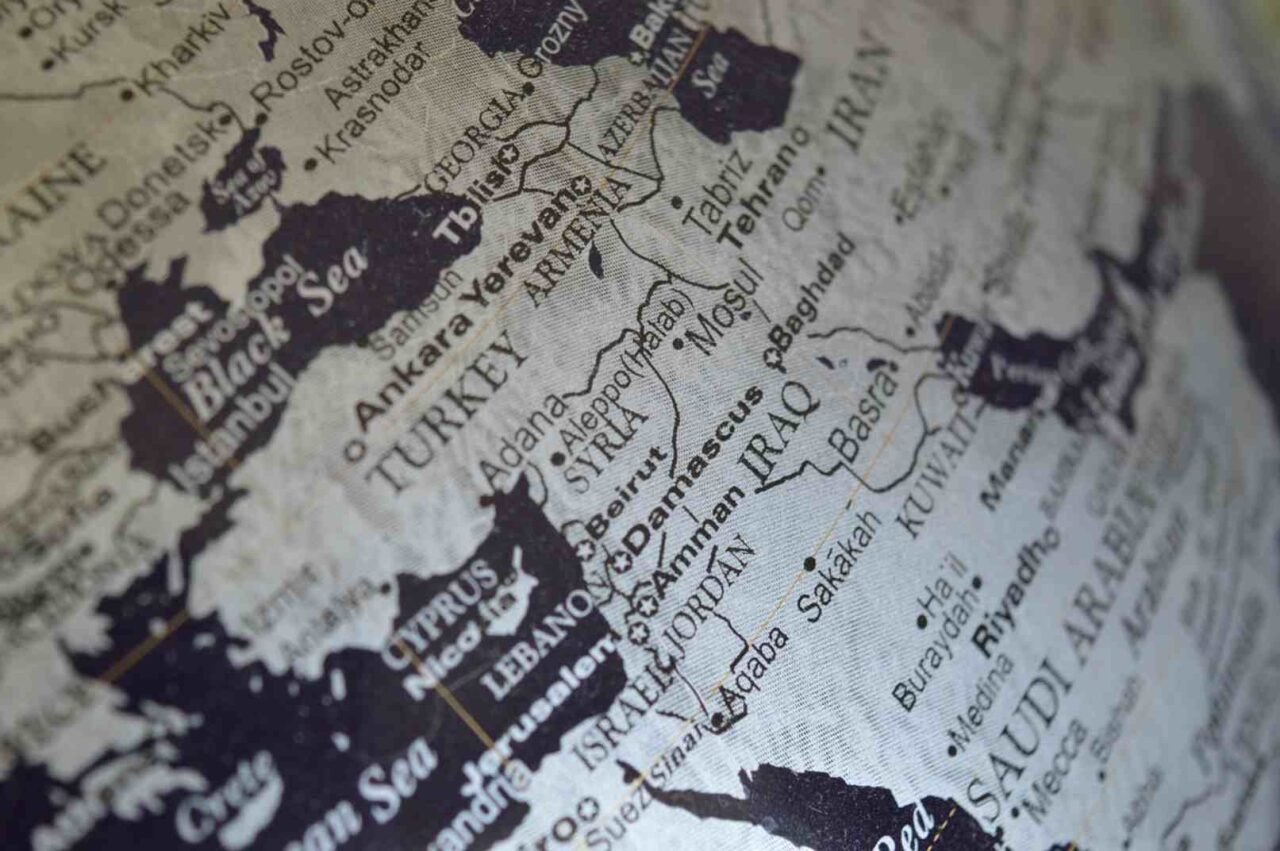
The escalating conflict involving Iran is already costing the Middle East’s travel and tourism sector at least $600 million per day in international visitor spending, according to new estimates from the World Travel & Tourism Council (WTTC).
The organisation says disruptions to air travel, declining traveller confidence, and interruptions to regional connectivity are beginning to impact tourism demand across the region.
The Middle East plays a crucial role in global travel flows. The region accounts for around 5 percent of international tourist arrivals worldwide and approximately 14 percent of global international transit traffic. As a result, instability affecting the region can quickly ripple across the wider tourism ecosystem.
Air travel disruptions affecting major hubs
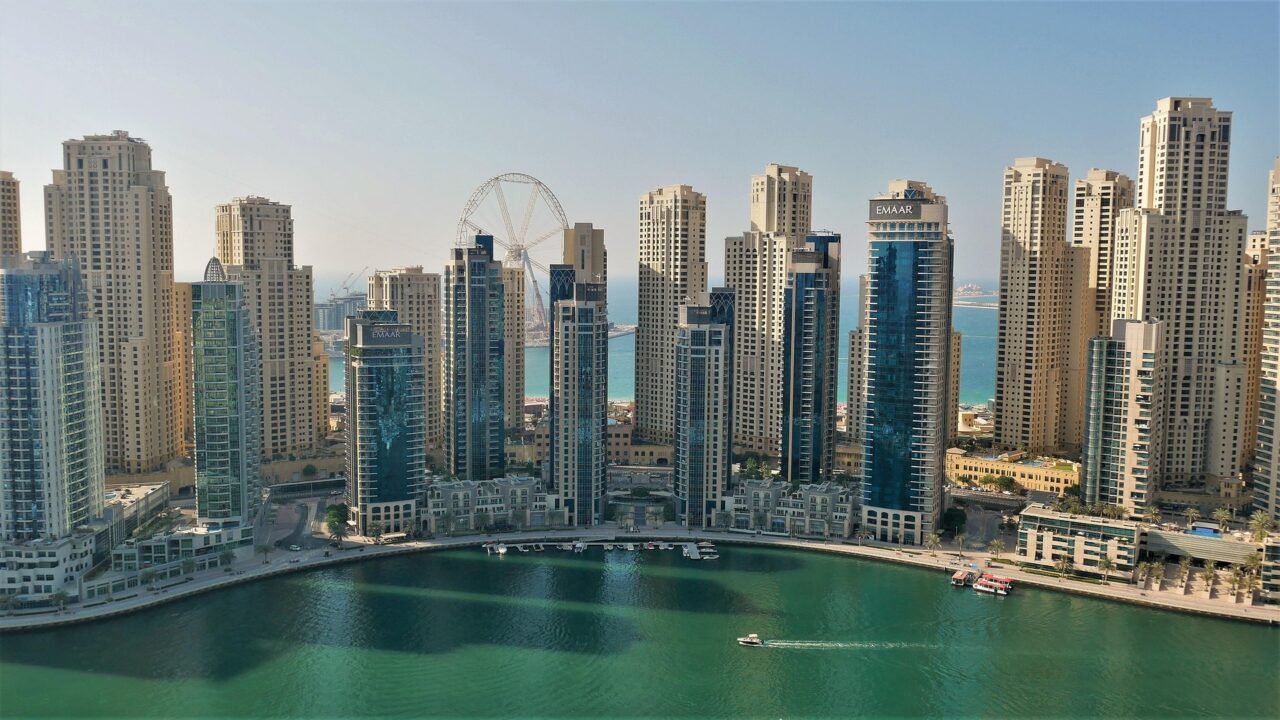
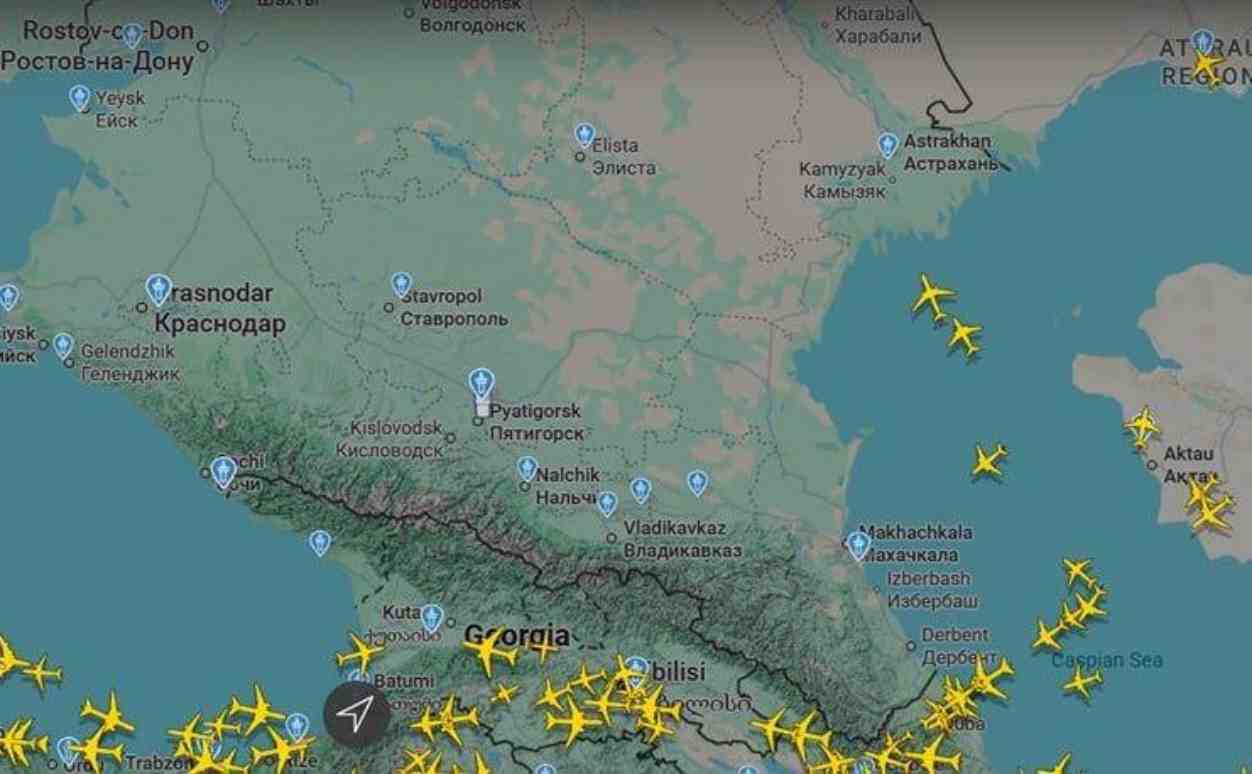
Several of the region’s most important aviation hubs have experienced closures or operational disruptions as tensions escalate. Airports in Dubai, Abu Dhabi, Doha and Bahrain normally handle around 526,000 passengers per day combined, making them key nodes in global aviation networks.
Interruptions at these hubs are affecting not only regional travel but also long-haul international routes that rely on the Gulf as a central transit corridor.
The impact extends beyond airlines to airports, hotels, cruise operators, and car rental companies that depend heavily on international travellers transiting through the region.
Tourism spending at risk
WTTC’s analysis is based on its pre-conflict 2026 forecast, which projected $207 billion in international visitor spending across the Middle East this year.
With such high volumes of travel spending concentrated in the region, even short-term disruptions can quickly translate into substantial economic losses across the tourism sector.
Despite the current challenges, WTTC emphasises that the travel industry has historically demonstrated strong resilience during periods of geopolitical tension.
Tourism recovery could be relatively fast
Research from the organisation shows that tourism demand following security-related incidents often rebounds quickly when governments and industry stakeholders respond effectively.
In some previous crises, recovery in visitor demand occurred within as little as two months when authorities implemented coordinated measures to restore traveller confidence.
Gloria Guevara, President and CEO of the WTTC, said the sector’s resilience has been repeatedly demonstrated following past disruptions.
“Travel & Tourism is the most resilient of sectors. The impact of international visitor spending across the Middle East is significant and averages around US$600 million per day, but history shows that the sector can recover quickly, especially when governments support travellers through hotel support or repatriation,” she said.
“Our analysis of previous crises demonstrates that security-related incidents often see the fastest tourism recovery times, in some cases as quickly as two months, when governments and industry work together to restore traveller confidence.”
Industry coordination key to recovery
According to WTTC, clear communication, strong coordination between governments and the private sector, and visible measures that reinforce safety and stability will be essential to rebuilding trust among international travellers.
The organisation says it is continuing to monitor the situation closely while working with governments and tourism industry leaders to support traveller safety and help strengthen the resilience of the global travel sector.