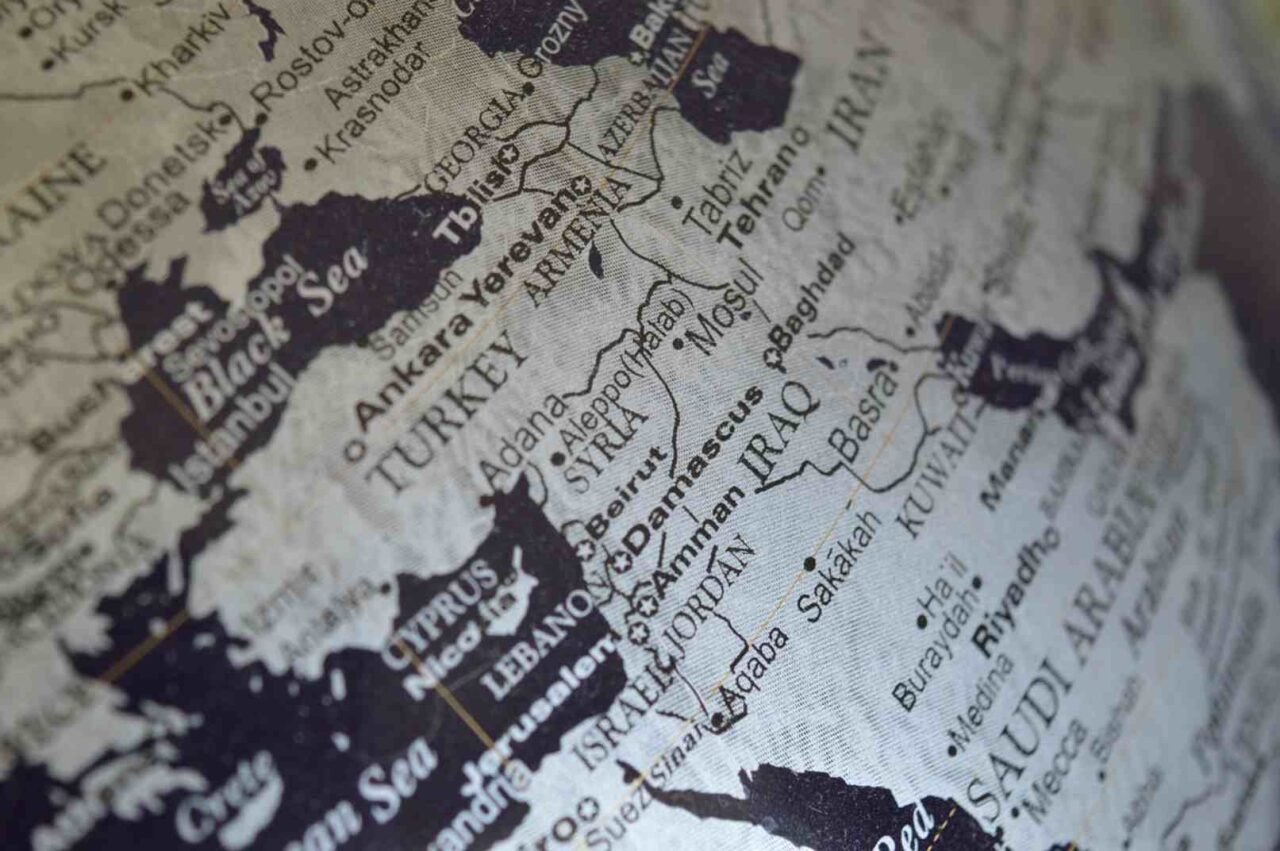
Escalating tensions in the Middle East are beginning to influence international travel patterns, as disruptions to aviation routes and declining perceptions of safety affect the region’s tourism outlook.
Growing instability has already forced the temporary closure of two major aviation hubs in the region, triggering flight cancellations and route diversions that are affecting airlines and passengers across global networks.
According to a new analysis from Mabrian, the geopolitical situation is also beginning to shape traveler sentiment toward destinations in the Gulf.
Declining perception of safety
The tourism consultancy’s report identifies a significant decline in the perception of safety across several Middle Eastern destinations.
The study analyzed traveler sentiment from key tourism markets including the United States, the United Kingdom, Germany, France and Italy. The results show a sharp drop in confidence toward destinations in the Persian Gulf region, which had previously built a strong reputation as a safe and stable travel hub.
Analysts say the shift in sentiment has accelerated alongside rising geopolitical tensions between United States and Iran.
Researchers recorded a steep fall in the region’s safety perception index, indicating growing caution among international travelers considering trips to the Middle East.
Air travel disruptions impacting connectivity
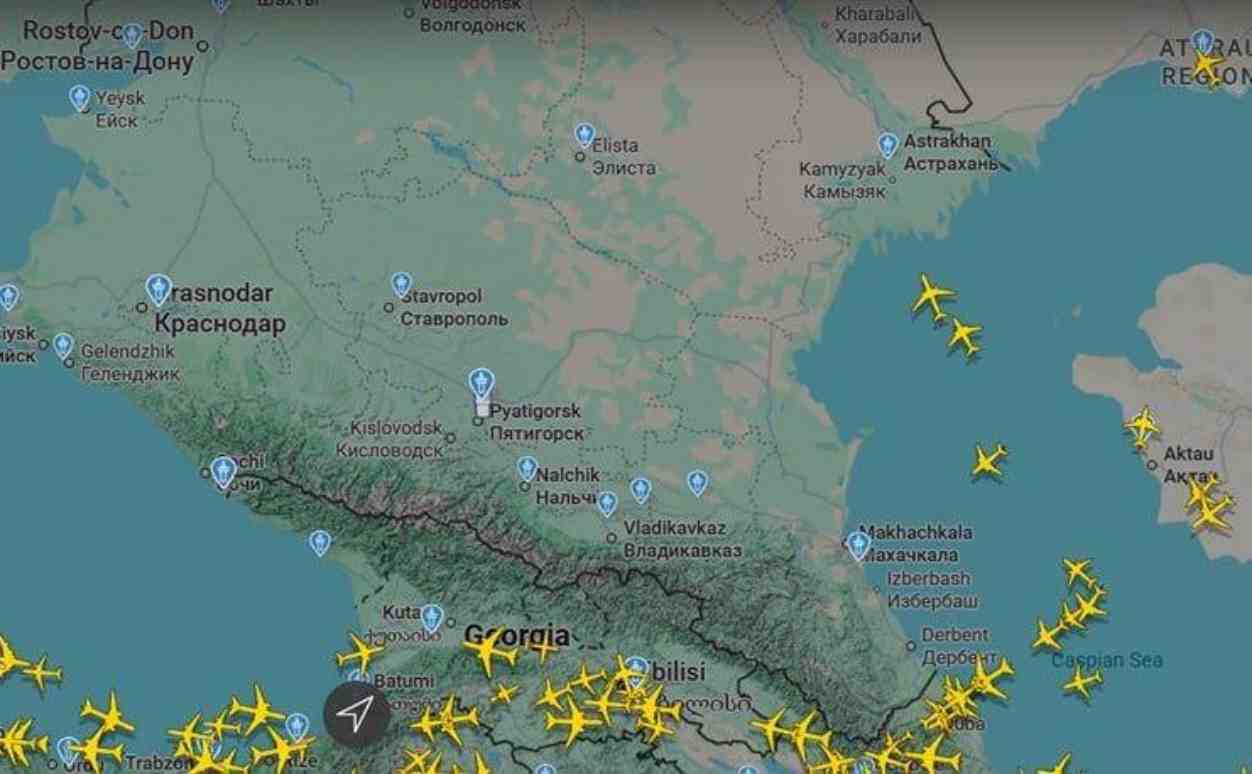
The effects of the crisis are already visible in the aviation sector. Temporary closures of major regional hubs have forced airlines to cancel flights or reroute aircraft around affected airspace.
Because the Gulf region plays a central role in long-haul travel networks between Europe, Asia and Africa, disruptions can quickly ripple across international flight schedules.
Airlines, airports and tourism operators are closely monitoring the situation as uncertainty continues to affect travel planning.
Historical precedents suggest possible shifts in tourism flows
Travel analysts note that geopolitical instability has previously redirected tourism flows to alternative destinations.
Following the Arab Spring in 2011, instability in North Africa led many European travelers to shift their holidays toward northern Mediterranean destinations.
However, experts caution that current developments represent only an early change in traveler sentiment rather than a confirmed transformation of the tourism market.
Industry observers say a prolonged conflict would likely be required before global travel patterns undergo a major structural shift.
For now, the data suggest that while tourism demand has not yet collapsed, perceptions of safety in the Gulf are beginning to weaken — a trend that could influence future travel decisions if geopolitical tensions continue to escalate.